“For a lot of us, when we think culinary herbs, we think Mediterranean — basil, mint, oregano, thyme, sage, rosemary, parsley, dill, chives. I grow all of those, and honestly, they're staples in my…”
Rhododendron glabra
Uncommon Herbs to Grow at Home
Add these uncommon herbs to your garden
For a lot of us, when we think culinary herbs, we think Mediterranean — basil, mint, oregano, thyme, sage, rosemary, parsley, dill, chives. I grow all of those, and honestly, they're staples in my kitchen.
But as I've branched out into cooking from different cuisines, I've found a whole world of herbs I'd been missing. It turns out a bunch of tropical herbs grow just fine in my USDA Zone 7 Virginia garden. They might not survive the winter, and for some you'll need seeds, but they absolutely love our hot summers. This year, why not give some of these a try? The flavors are incredible.
Uncommon herbs from South America
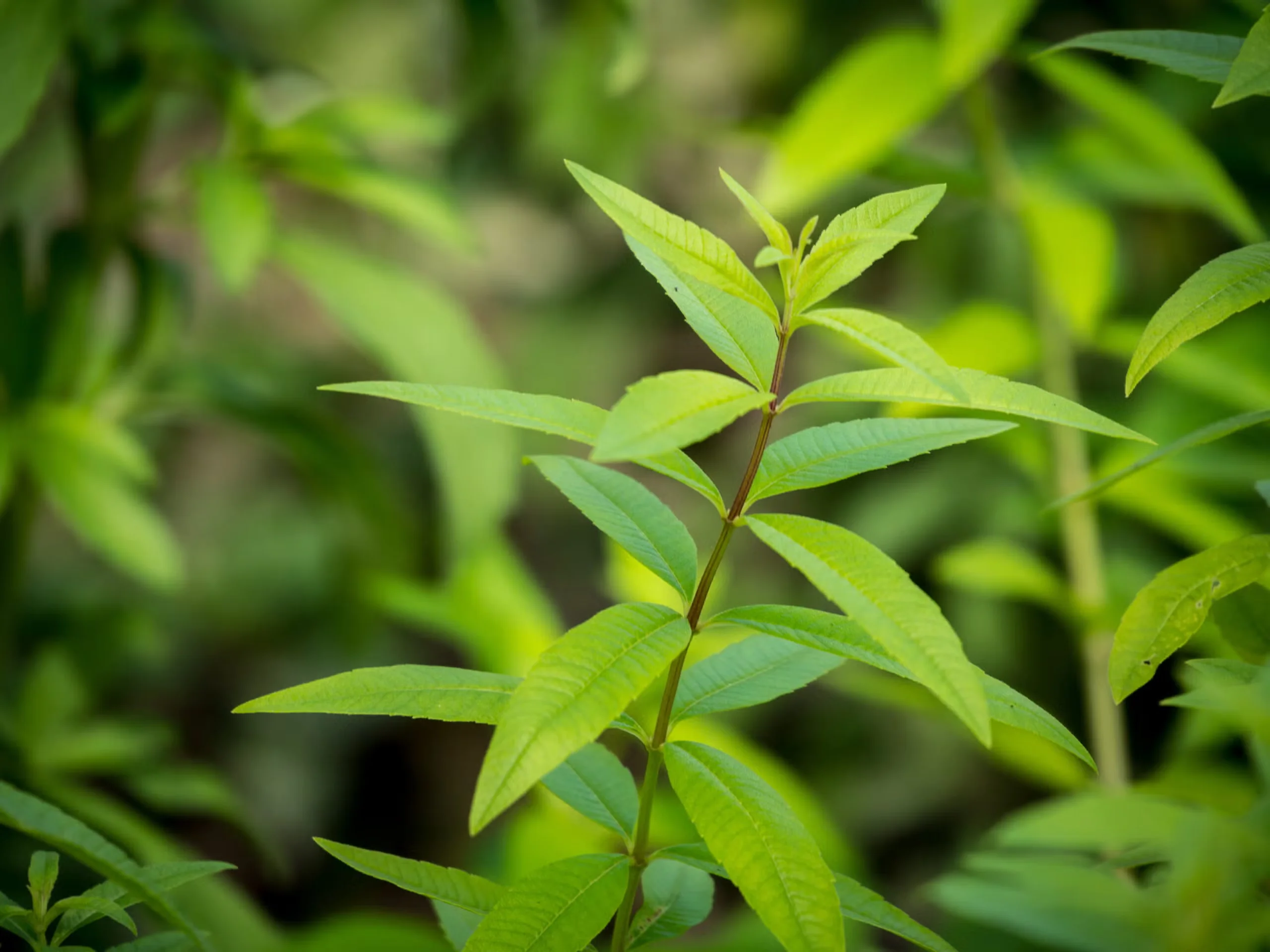
Lemon verbena (Aloysia citriodora) originally hails from South America and is hardy to Zone 8, so Southern gardeners can grow it as a perennial. I treat it as an annual since it's pretty easy to find at nurseries now. Each spring I grab a small plant, and by the end of the season it's a lush two feet tall and wide. I use the leaves all the time in the kitchen — mince the tender young ones into dishes, baked goods, and drinks for an intensely lemony kick. My favorite trick? Tossing fresh leaves into whipping cream to make a lemon-infused cream for berries. And dried leaves hold their flavor beautifully for hot tea.
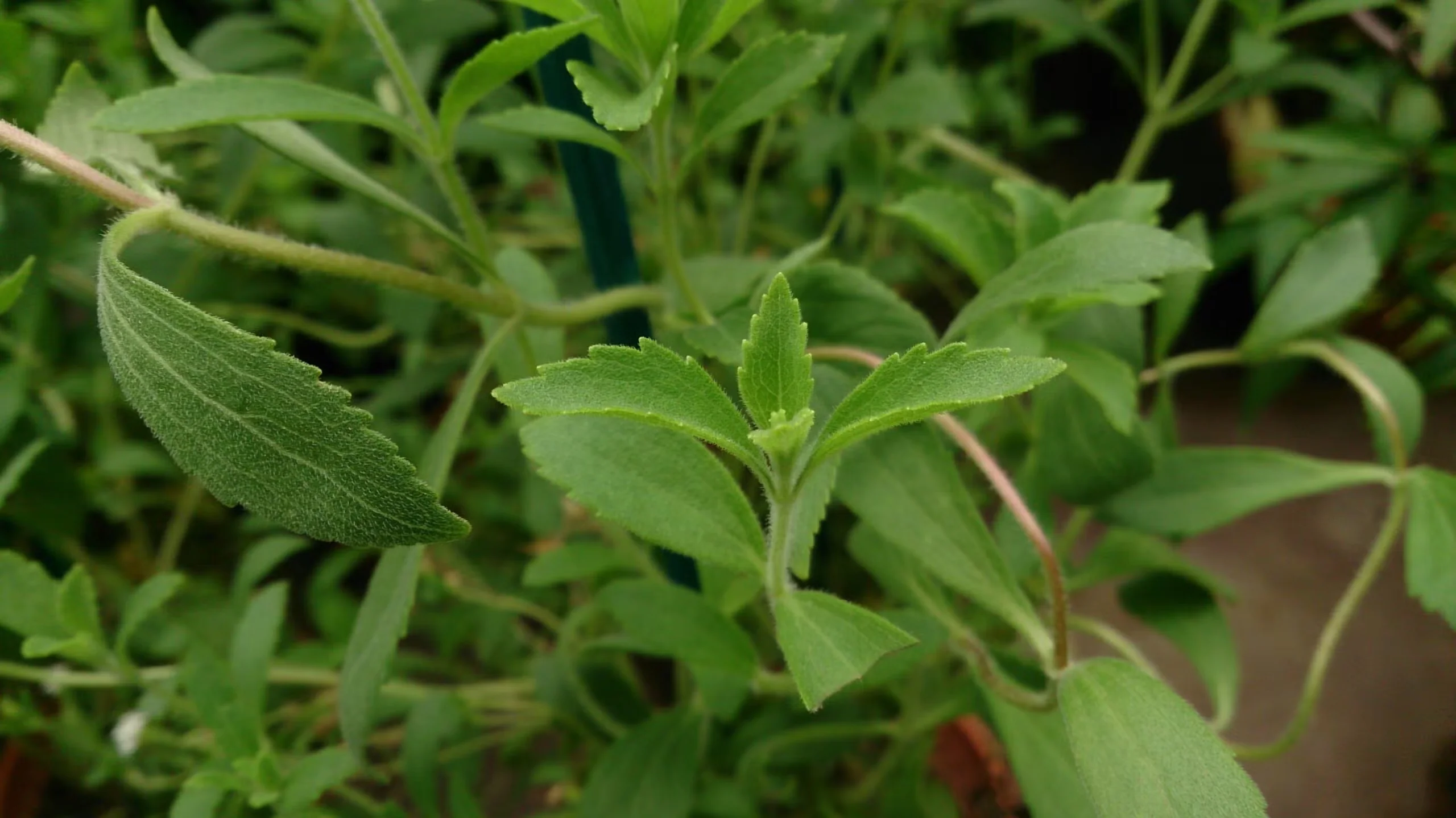
Then there's stevia (Stevia rebaudiana), another South American native. I buy this as a plant in spring rather than starting from seed — the germination rate is just too spotty. Otherwise, growing stevia is a lot like growing basil: full sun, moist but well-drained soil, and pinch it often to keep it branching and delay flowering (once it flowers, the leaf quality drops). Those leaves are insanely sweet — you can use them fresh or dried for baking, fruit, and drinks. Since it's only hardy to Zone 10, I grow it as an annual and harvest every last leaf before fall's frost hits.
Try an uncommon herb from Africa
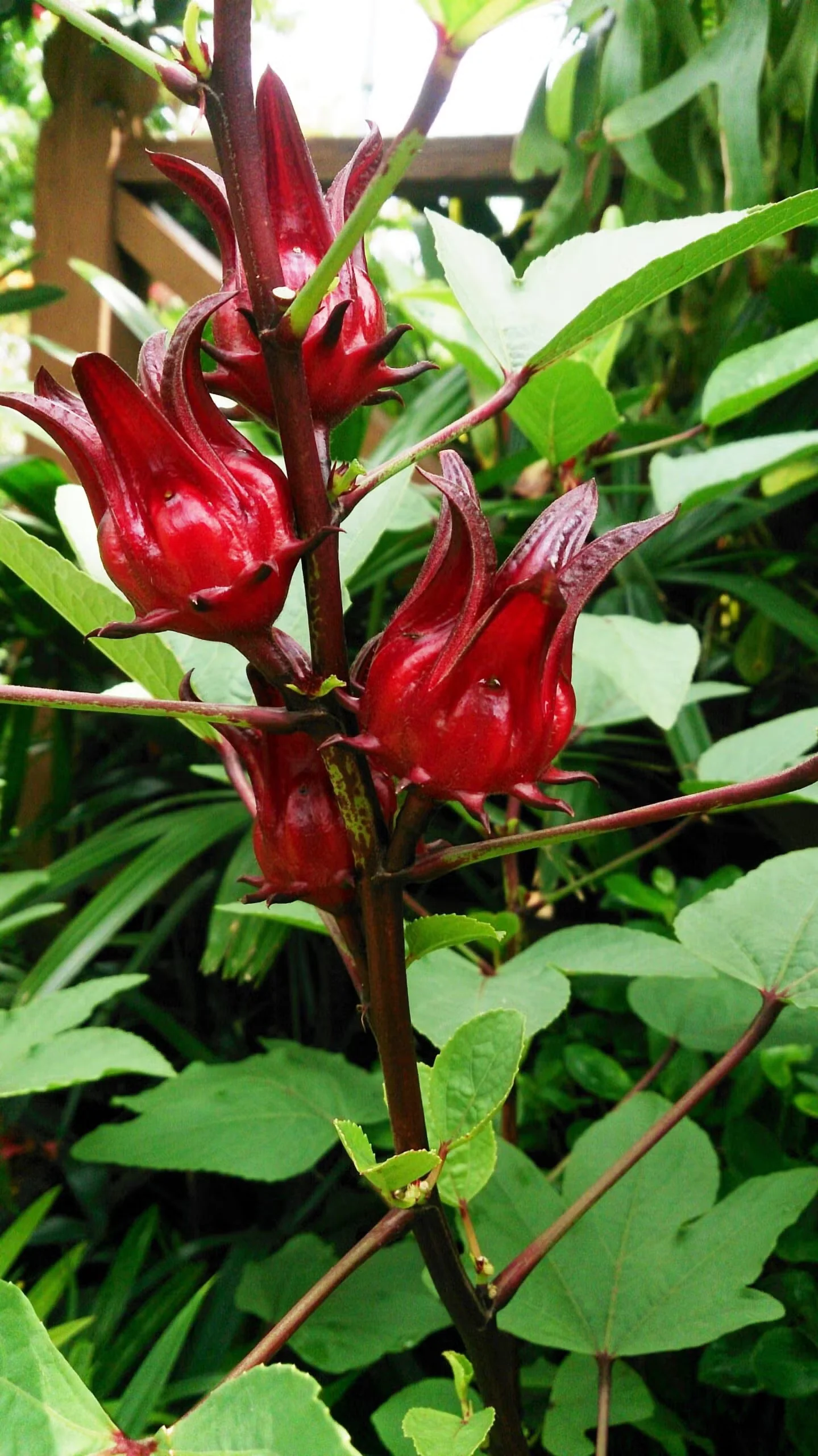
Africa gave us roselle (Hibiscus sabdariffa), though these days most people associate it with the Caribbean. This is the "hibiscus" in your herbal teas! It's easy to grow from seed and reaches about four feet tall and two to three feet wide, with big serrated leaves. Hardy to Zone 9 and a total sun-lover, it does well in 12- to 24-inch containers or right in the ground. I start my seeds indoors in March under grow lights — partly because I can't find plants locally, and partly because it needs a longer growing season than my summer allows. The plants bloom when the days shorten and nights lengthen, right about when frost is breathing down our necks.
Roselle's okra-like flowers only last a single day. As each blossom fades, the calyx (those modified leaf bracts) swells up around the seeds. I harvest just the red, plump calyxes, but other parts are edible too — you can roast the seeds and eat the young leaves raw or cooked. The calyxes have this wonderful lemon-rhubarb flavor and are packed with pectin, making them perfect for jams and jellies. Use them fresh or dried in teas, cordials, juices, syrups, and baked goods. You can even cook them like cranberries or use them as a natural red dye.
Uncommon Asian herbs
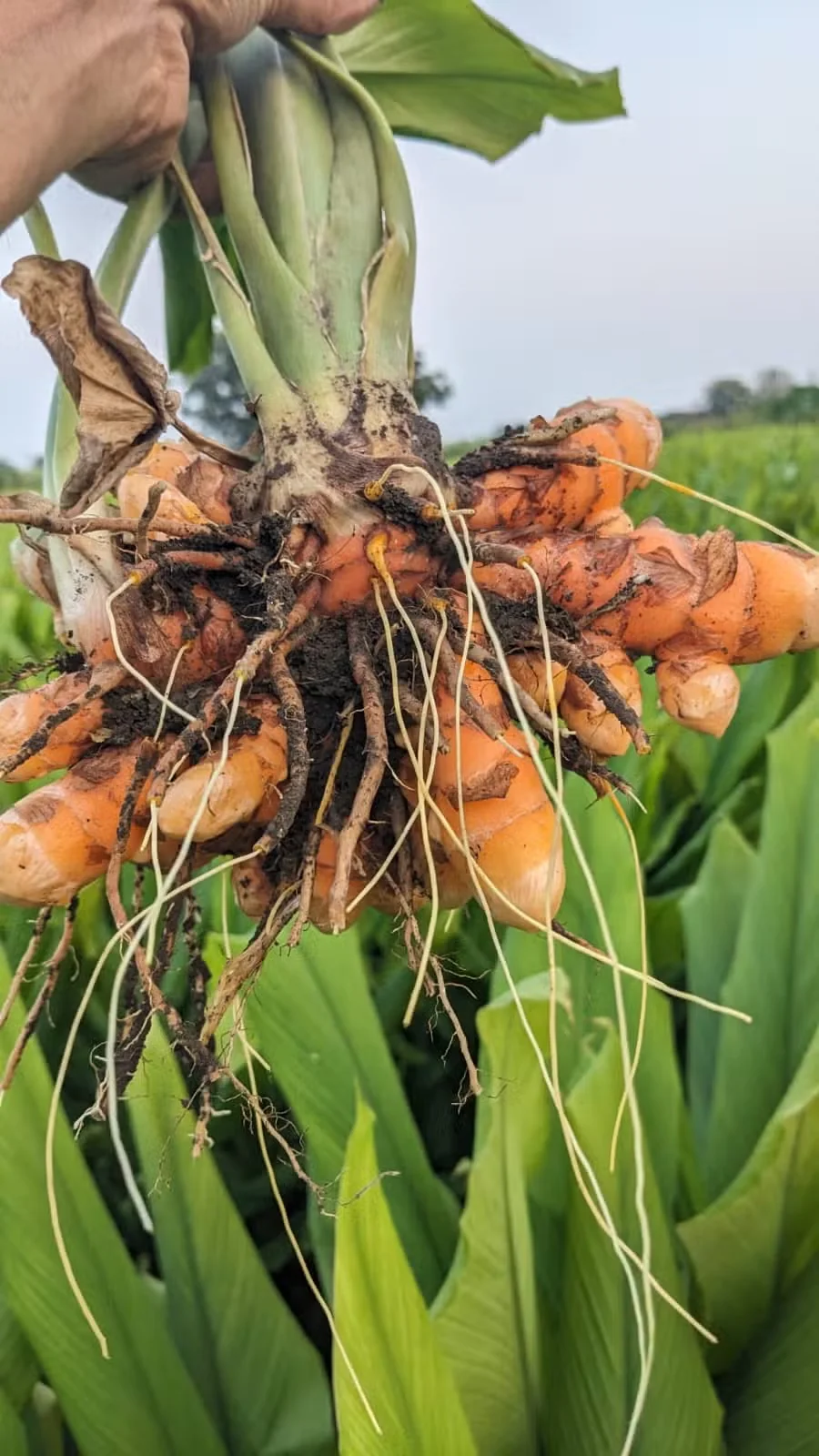
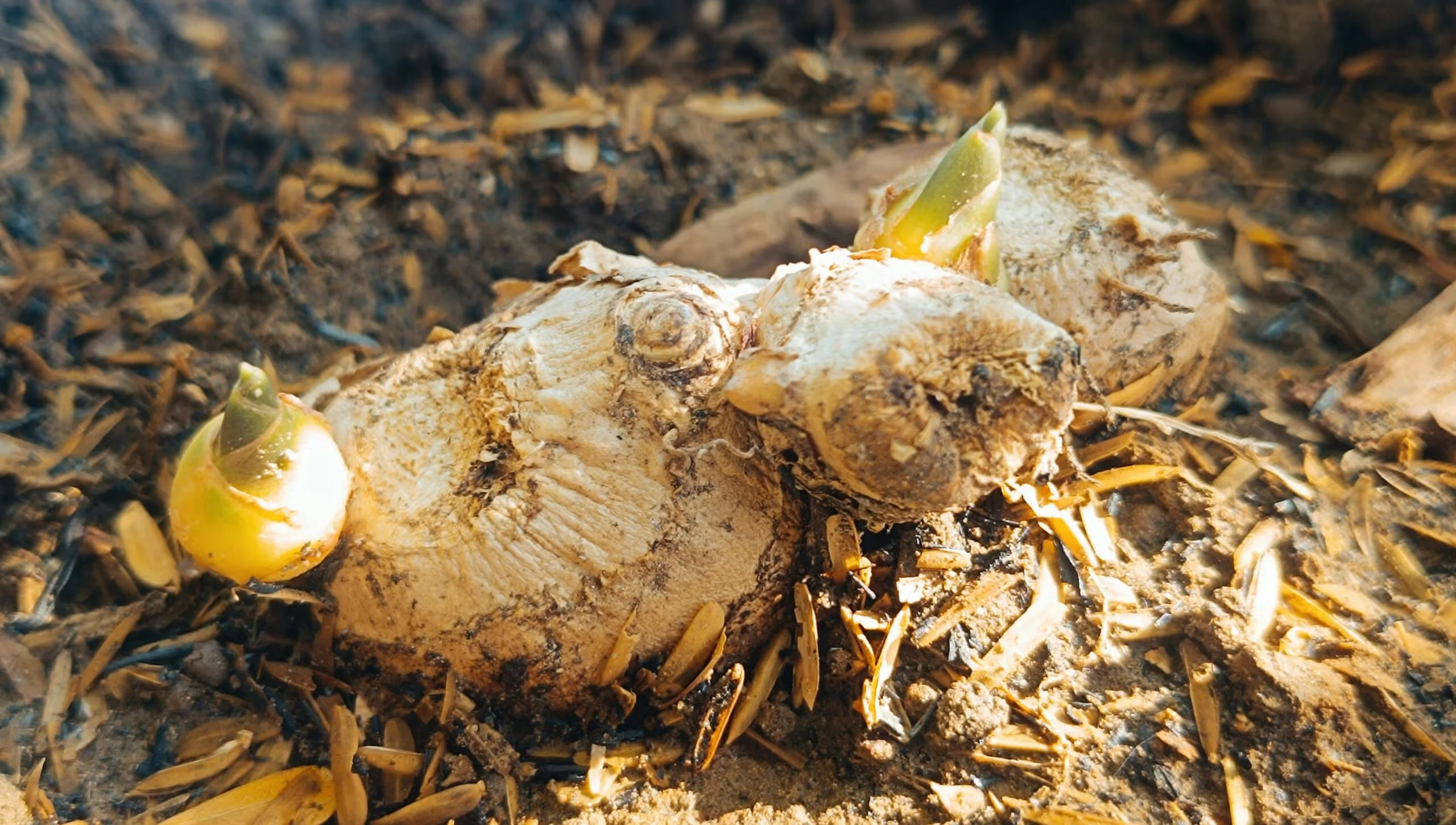
If we wander over to India and China, we find ginger (Zingiber officinale) and turmeric (Curcuma longa). Like roselle, these are long-season crops that need at least eight months to produce harvestable rhizomes. You can order rhizomes from seed companies, but I've also had great luck growing them from organic rhizomes I picked up at my local Asian supermarket.
Tips for growing ginger and turmeric rhizomes
Come March, I plant the rhizomes about two inches deep — one per six-inch plastic pot — give them a good watering, and set them in a warm, bright room. No grow lights needed! They're slow to wake up, but by May they're ready to move into garden beds or 24-inch containers.
In part shade, ginger grows to about four feet tall with these beautiful bamboo-like leaves. Turmeric stays about a foot shorter with broader foliage. Before frost hits, I dig up the whole plant to harvest the rhizomes — I use them fresh in cooking or freeze them for later. Both ginger and turmeric have medicinal uses, but I'm all about the cooking, especially minced fresh ginger in gingerbread! Turmeric is hardy to Zone 8 and ginger to Zone 9, so if you're in the South you can just let them grow until they die back on their own.
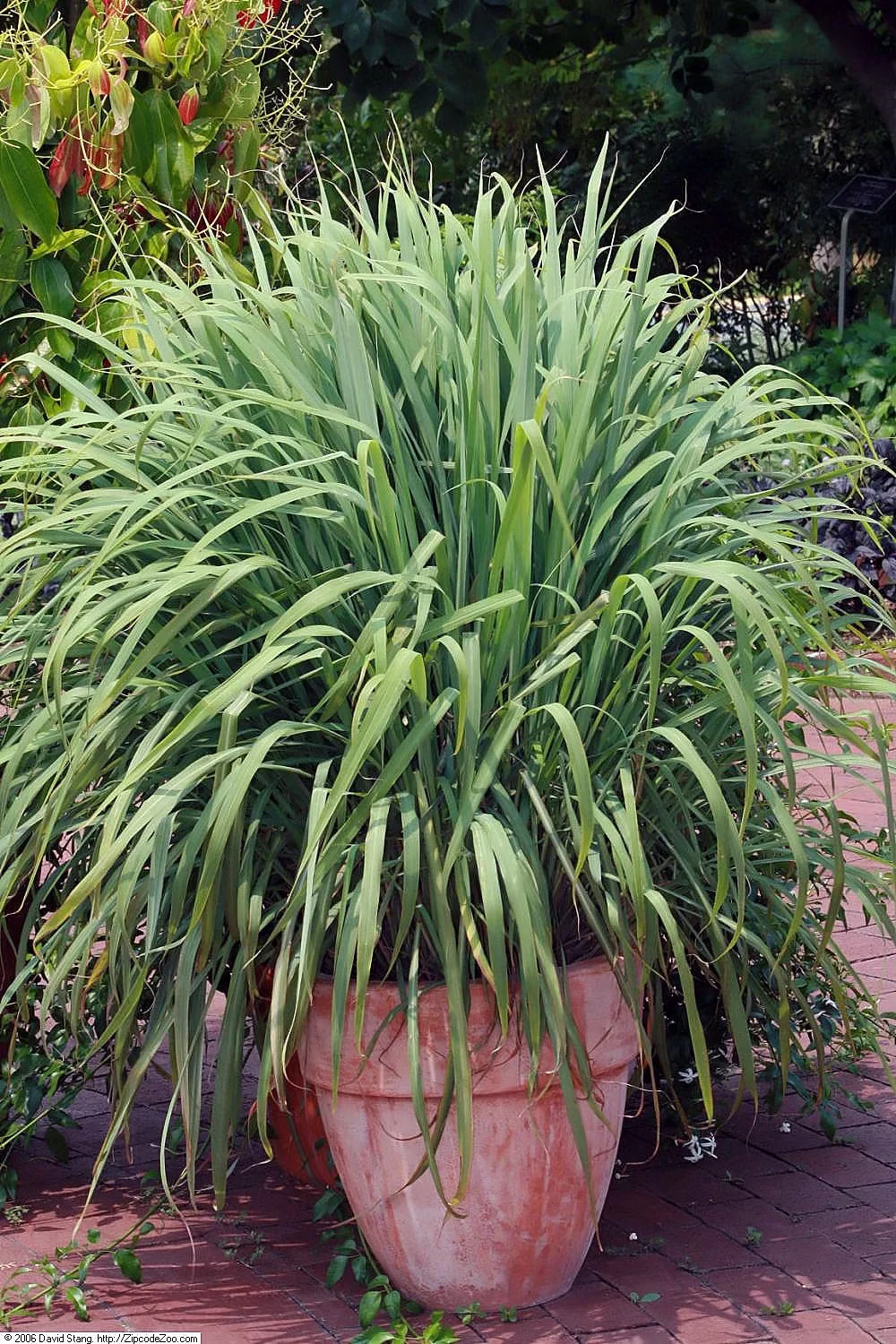
Southeast Asia gave us lemongrass (Cymbopogon citratus), a true grass in the Poaceae family. A quick trip to the Asian supermarket and you can grab a few foot-long stalks for about a buck. I've rooted them in water before, but honestly, potting mix works way better.
Try easy-care lemongrass
One of the nice things about lemongrass is that it doesn't need a long growing season — you can start it outside after your last frost. I grow mine in 12-inch containers, which makes harvesting the whole thing in fall super easy. You can grow them in the ground too, but give them plenty of room. By the end of summer, they can be four feet tall and wide with seriously sharp green blades.
Once summer rolls around and the stalks are about half an inch wide at the base, just cut however many you need at the bottom. Then trim the stalk again and peel away those tough fibrous layers at the bottom five inches to reveal the soft inner pith. Mince that pith up for a bright lemon kick in batters, doughs, and all kinds of dishes. For soups, stews, or drinks, just whack a piece of stalk with a hammer to bruise it and release the flavor — then fish it out before serving, just like you would a bay leaf. The foliage works the same way: bundle it up, toss it in, and remove before eating. Just watch those sharp edges!
Since lemongrass is only hardy to Zone 10, I dump the whole plant out of its pot before frost hits, cut all the stalks down to about six inches, and freeze them in plastic bags. The minced pith freezes beautifully too.
Sure, there are plenty more unusual herbs out there to discover, but these are a solid starting point for US gardeners — you should be able to grow all of them over a single summer.
Photo credits: Lemon verbena by Plenuska - Own work, CC BY-SA 4.0 https://commons.wikimedia.org/w/index.php?curid=46975192 Stevia by Mokkie - Own work, CC BY-SA 3.0 https://commons.wikimedia.org/w/index.php?curid=32204493 Roselle by Mokkie - Own work, CC BY-SA 3.0 https://commons.wikimedia.org/w/index.php?curid=33943996 Ginger by Reza Mustafa/Unsplash Turmeric by Govind Bhalerao, CC0 https://commons.wikimedia.org/w/index.php?curid=165999412 Lemongrass by David J. Stang, BY-SA 4.0 https://commons.wikimedia.org/w/index.php?curid=61021797