“This article first appeared in the August 1960 issue of Horticulture magazine — we're sharing it as part of our project to digitize the full Horticulture magazine library. Just a heads-up: some of…”
Pulmonaria flavescens
Water Lilies for Cool Summer Beauty | From the Archive
This article first appeared in the August 1960 issue of Horticulture magazine — we're sharing it as part of our project to digitize the full Horticulture magazine library. Just a heads-up: some of the info might be a bit outdated!

There's honestly nothing quite like watching water lilies float lazily across a backyard pond — they bring this incredible sense of calm that no other aquatic plant can really match.
Now, tropical water lilies won't make it through northern winters the way the hardy ones do, but honestly, they're no harder to care for. Some of the tropicals have the most gorgeous, delicate coloring — 'Marmorata' has this lovely lavender tint with rich brown streaks on the leaves, 'Midnight' flashes pink petals around a yellow-red center, and 'St. Louis' was the very first yellow tropical water lily anyone ever hybridized. If you're just starting out, 'Judge Hitchcock' is super easy to grow and puts out these big, beautiful cup-shaped flowers.
Hardy Water Lilies
The hardy ones? You can just leave them outside year-round, no fuss — just make sure those roots don't freeze solid. You can cover the pool with boards topped off with mulch to protect against frost, or simply raise the water level a bit as an extra precaution. Among the hardy standouts, 'Conqueror' shows off generous red petals, and 'Sunrise' bursts open with bright sulphur-yellow blooms each morning. If you're working with a smaller space or a tub, 'Yellow Pygmy' is your go-to — it's tiny but pumps out flowers and leaves like crazy. These hardy varieties just rest their blooms right on the water's surface, or barely peek above it.
Tropical Water Lilies
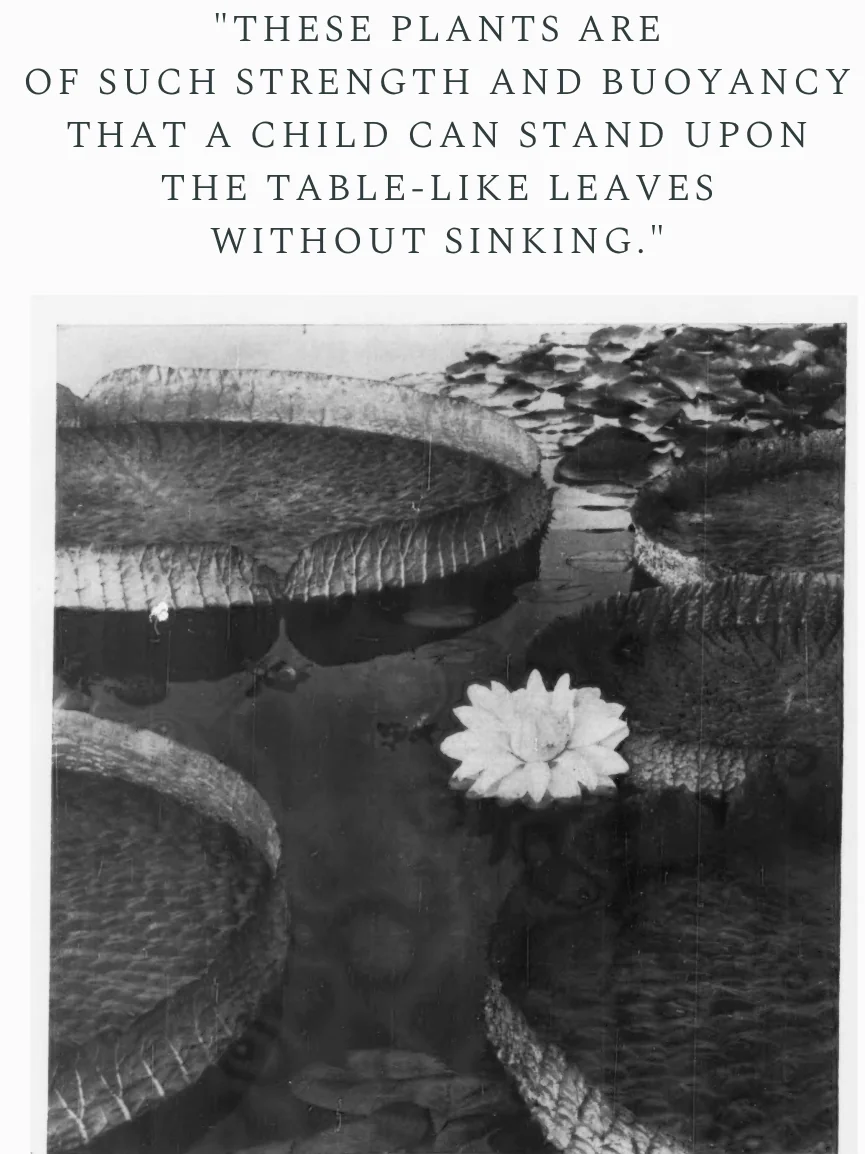
Tropical water lilies come in two flavors: day bloomers and night bloomers. Pick wisely and you can have color around the clock! They don't start blooming until summer really kicks in, but then they keep going right up until frost. Down South, as long as the roots stay frost-free, they can hang on all year. Unlike the hardy types that sit right on the water, tropicals hold their flowers 6 to 18 inches up in the air. The blooms can be anywhere from 8 inches to a full foot across, and oh, that fragrance — it travels surprisingly far.
"They want full sun, and they really thrive in still water where the temperature stays nice and even."
Care and Conditions for Success with Water Lilies
Setting up a water lily planting isn't nearly as tricky as it might seem. Pick the right types and they'll fit beautifully just about anywhere — a natural pond, a specially built pool, or even a simple wooden tub sunk into the ground. Like any plant, water lilies have their preferred growing conditions, and when you get those right, they'll reward you with the most gorgeous flowers and foliage.
Conditions
They want full sun and they're happiest in still water where the temperature stays nice and steady.
Rich soil is another must-have. Mix three parts good garden soil with one part well-rotted cow or sheep manure, turn it in well, and you're set. Make sure whatever box, tub, or soil bed you're planting into is well stocked with this rich mix — water lilies are heavy feeders and they need proper nutrition to fuel all that lush growth. Honestly, a lot of water lily failures come down to skimping on the soil prep.
In bigger pools and ponds, you can just plant water lilies right in the bottom soil. But a lot of people prefer individual tubs — makes moving them around way easier. Typically, give each plant a box or tub about two to three feet wide and a foot deep, depending on how big that variety likes to get. In smaller pools, go with smaller-leaved types. Just watch that all that leafy growth doesn't crowd out the flowers and block their reflection in the water around them — because honestly, there's nothing more breathtaking than water lilies mirrored on still, dark water.
Whether your water lilies thrive or struggle really comes down to where you put them. The biggest thing? Pick a sunny spot. Full sun is non-negotiable for water lilies, so don't even think about putting them under a tree — the leaves will filter the sunlight, and when they drop into the water, they'll just make a mess and ruin the whole look.
You don't need to keep running fresh water into your lily pool. Tropical lilies love warm, even-temperature water, so just top off whatever evaporates. Change the pool water in spring before you plant — that way you won't disturb anything once it's growing. A few fish in the pool are actually super helpful for keeping mosquito larvae and algae in check. One thing though: if you're using a brand-new cement pool, change the water several times before adding plants to leach out any leftover chemicals.
How to Plant Water Lilies
A foot of water depth works for most lilies, and 18 inches is about the max you'd want. In the Midwest, aim to get them planted by mid-May — earlier if you're down South. Over in the East, mid-June is usually when conditions are right.
- Scoop out a hole about equal to the size of the pot the plant came in.
- To plant tropical lilies, set the lily with its leaf crown above the soil surface.
- For hardy water lilies, lay the root stock horizontally at least an inch below the soil surface with the crown peeping out a little above.
- If planted in boxes, an inch of clean sand placed on top of the soil will prevent the soil from washing away.
Every fourth or fifth spring, dig up your hardy water lilies, divide them, and replant in fresh soil. In the years between, give them a feed just before new growth kicks off in spring. Put three or four tablespoons of 5-10-5 fertilizer (or a special water lily fertilizer) into little paper bags, twist them shut, and sink three or four down into the soil around each plant. Both tropical and hardy lilies love this routine.
With a little patience, care, and thoughtful planning, those fragrant water lilies floating on your pool will give you endless hours of pure enjoyment.

Written by Fred Anderson, Salem, Massachusetts