“Sweet Talk Deep Pink cuphea is one of those easy-care annuals that just thrives in sun and heat. Its quirky pink flowers pull in pollinators while adding bright color and a fun shape to containers or…”
Tiarella alba
Sweet Talk Deep Pink Cuphea: a Heat-Loving Annual to Use in Containers
Sweet Talk Deep Pink cuphea is one of those easy-care annuals that just thrives in sun and heat. Its quirky pink flowers pull in pollinators while adding bright color and a fun shape to containers or garden edges. What makes this cuphea especially handy is its compact size and forgiving personality — it's basically made for pots.
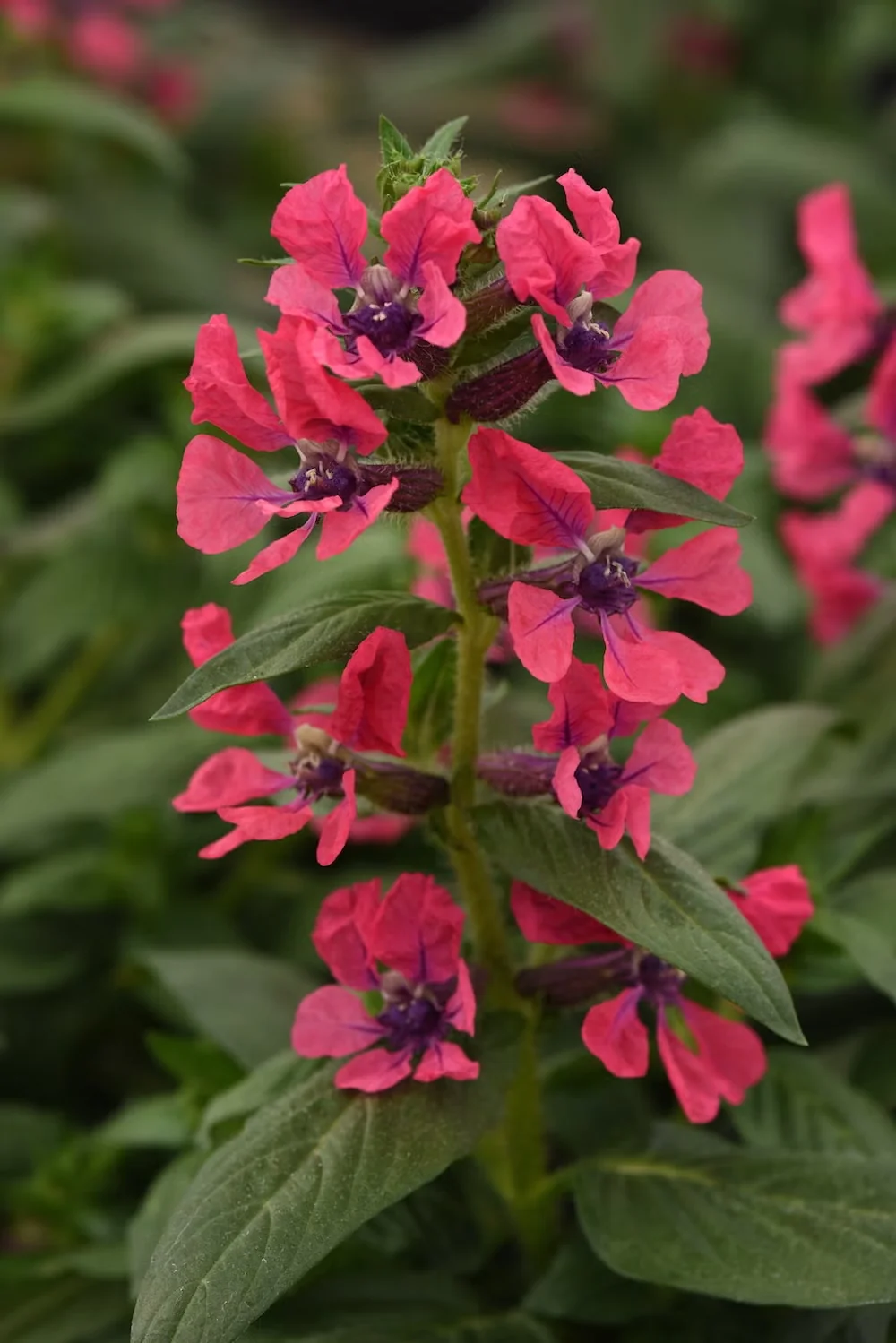
Common name: Sweet Talk Deep Pink cuphea
Botanical name: Cuphea procumbens 'PAS1506711'
Origin: The species Cuphea procumbens is a tropical plant native to southern Mexico. In hot climates it's a perennial, but for most of us in temperate gardens, it's a warm-season annual. Sweet Talk Deep Pink is one of several cultivars available — there are also purple and red versions in the same Sweet Talk series, all introduced in 2024 by PanAmerican Seed.
Flowers: Warm pink flowers bloom in upright clusters from late spring straight through to autumn — they just keep going and going.
Foliage: Long, broadly oval-shaped leaves in a rich deep green — nice and full looking.
Size and habit: This cuphea reaches 8 to 14 inches tall and wide, with an upright mounded shape that plays well with others in a mixed container.
Growing Sweet Talk Deep Pink cuphea
How to grow it: This sun-worshipping annual likes moderate watering but can push through dry spells without fuss, making it a solid pick for containers that tend to dry out fast. Heat? It couldn't care less. Feed it regularly with a water-soluble fertilizer (just follow the package directions) and give it an occasional pinch-back. Snip taller flowering stems off at a pair of lower leaves and the plant will respond by pushing out fresh new branches. Hardy in USDA Zones 9 and warmer, but honestly it's best enjoyed as an annual.
Image courtesy of Ball Hort