“Grasses can honestly transform your garden experience. But let's be real — a lot of the ornamental grasses we're familiar with are just plain big, and not every yard has room for that. The good news?…”
Astilbe lutea
Small Native Grasses for Any Garden Space
Grasses can honestly transform your garden experience. But let's be real — a lot of the ornamental grasses we're familiar with are just plain big, and not every yard has room for that. The good news? There are smaller North American native grasses that bring all the same benefits and fit beautifully into cultivated landscapes.
These little native grasses aren't just ecological powerhouses and reliable workers — they're also secret weapons in planting design. They can pull a complex planting together, create a solid foundation for a perennial bed, or slide right into a compact townhouse garden without breaking a sweat.
Why Use Grasses in the Garden
These smaller natives deliver that special combo of beauty and sensory magic that ornamental grasses are known for. Their long, strappy leaves create a gorgeous contrast against the typical rounded and oblong foliage in a garden. Several of them have flower plumes that practically glow when the sun hits them from behind. And that rich visual texture? It softens up hardscapes like nothing else.
Grasses are the peacemakers of the garden — they bring visual stability and unity to a design. Herbaceous perennials can be drama queens, stealing the show one week and fading into the background the next. Grasses change too, but their overall vibe stays much more consistent. Because they're so visually steady, they can simplify a busy space and give your eyes a place to rest. Honestly, they're just soothing.
And then there's the movement and sound — that's a huge part of the appeal. Grasses sway and flutter in the breeze, whispering softly and making the whole landscape feel alive. This magic carries right through the dormant season, too. Instead of collapsing at the first freeze, most grasses hold their shape. The dried foliage catches winter winds and rustles in the most satisfying way. A heavy snowstorm might put a damper on things, but the sensory elements these grasses bring to the winter garden are truly priceless.
Beyond their good looks, these grasses are genuine workhorses that solve real landscape problems. They're unfussy, rarely bothered by pests, and need very little maintenance. Their dense crowns and foliage help smother weeds, slow down and filter stormwater runoff, and hold soil in place. Their fibrous, branching root systems reduce erosion even more while helping water soak in. Those roots also improve soil health by adding organic matter and creating air space as portions die back each winter. Most of them offer shelter, cover, and food for wildlife — and as a bonus, deer typically aren't interested.
Small Native Grasses for Part Shade
Tufted hairgrass (Deschampsia cespitosa; USDA Zones 4–9) is such a charmer — a mounding grass with fine-textured foliage and airy plumes that float up in summer. With foliage sitting between 16 and 24 inches tall, it's just the right size to be the "shoes and socks" for taller, leggier perennials like mountain mints (Pycnanthemum) and beebalms (Monarda). It's happy in sun and handles partial shade too, which makes it super versatile if your garden has tree cover or mixed exposure. The plumes rise up to two feet above the foliage and are beautifully "see-through" — airy enough that you can still catch a glimpse of whatever's growing behind them.
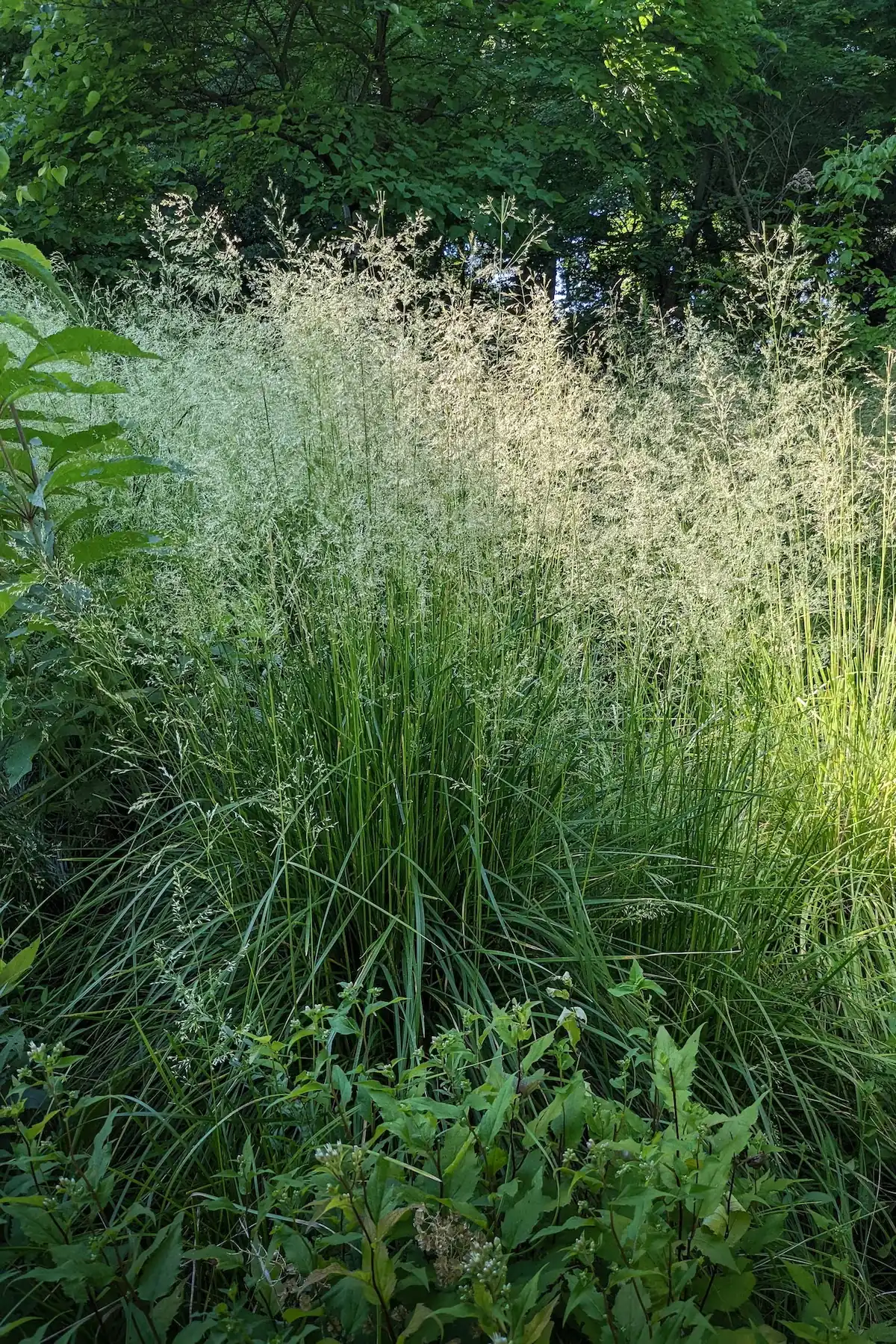
Tufted hairgrass is a cool-season grower, doing most of its growing in the gentler temperatures of spring and fall. In the wild, you'll find it all over the globe, mostly in northern latitudes. It loves moist, well-drained soils but can handle drier conditions okay. Fair warning though — it struggles in hotter, more humid places like the Southeastern U.S. and rarely flowers in southern latitudes.
Wavy hairgrass (D. flexuosa; Zones 4–7) is the smaller cousin, reaching just 12 to 18 inches tall, and it handles warmer climates a bit better. Some botanists place this grass in the genus Avenella — but whatever you call it, it's a sweet little plant that mingles happily with low-growing perennials and tucks under taller ones, especially in shady spots. It tolerates drier soils than tufted hairgrass and is often found on mountain balds and sandy, well-drained ground. It's more likely to flower in warmer areas but needs some shade to cope with the heat. Its shorter, delicate plumes sit on straight, upright stems — they look like a little cloud hovering just above the foliage.
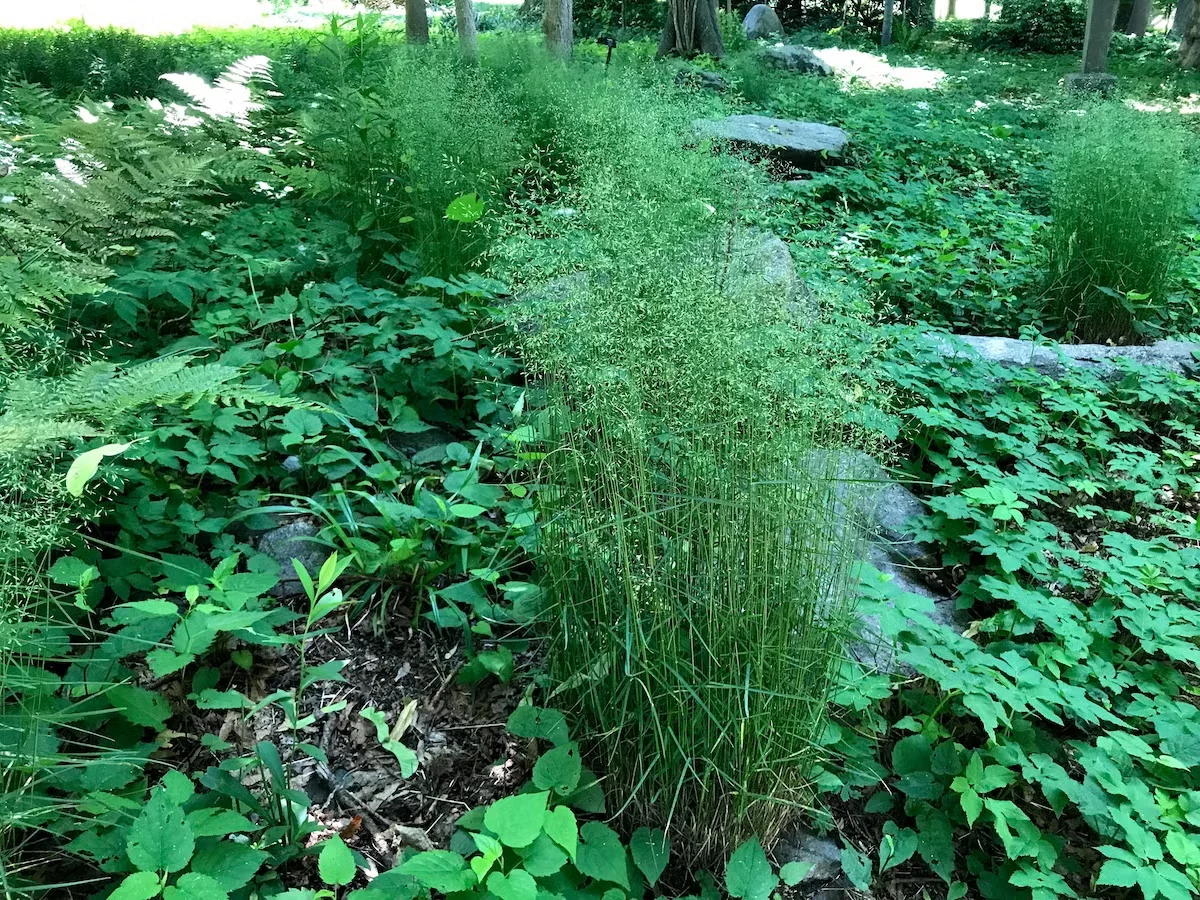
Slender wood oats (Chasmanthium laxum; Zones 4–9) is another great option for partial shade. This unassuming native is a super handy two-foot-tall filler — just tuck it in among tall and mid-height perennials and shrubs for coverage and weed suppression. I've actually seen it used in woodland gardens on small ravine slopes to hold the soil in place. It grows in a clump and tends to stand more upright in brighter conditions, while taking on a looser, more arching shape in shadier spots. Delicate, arrowhead-shaped spikelets that look like tiny oats appear in rows along the slender stems.
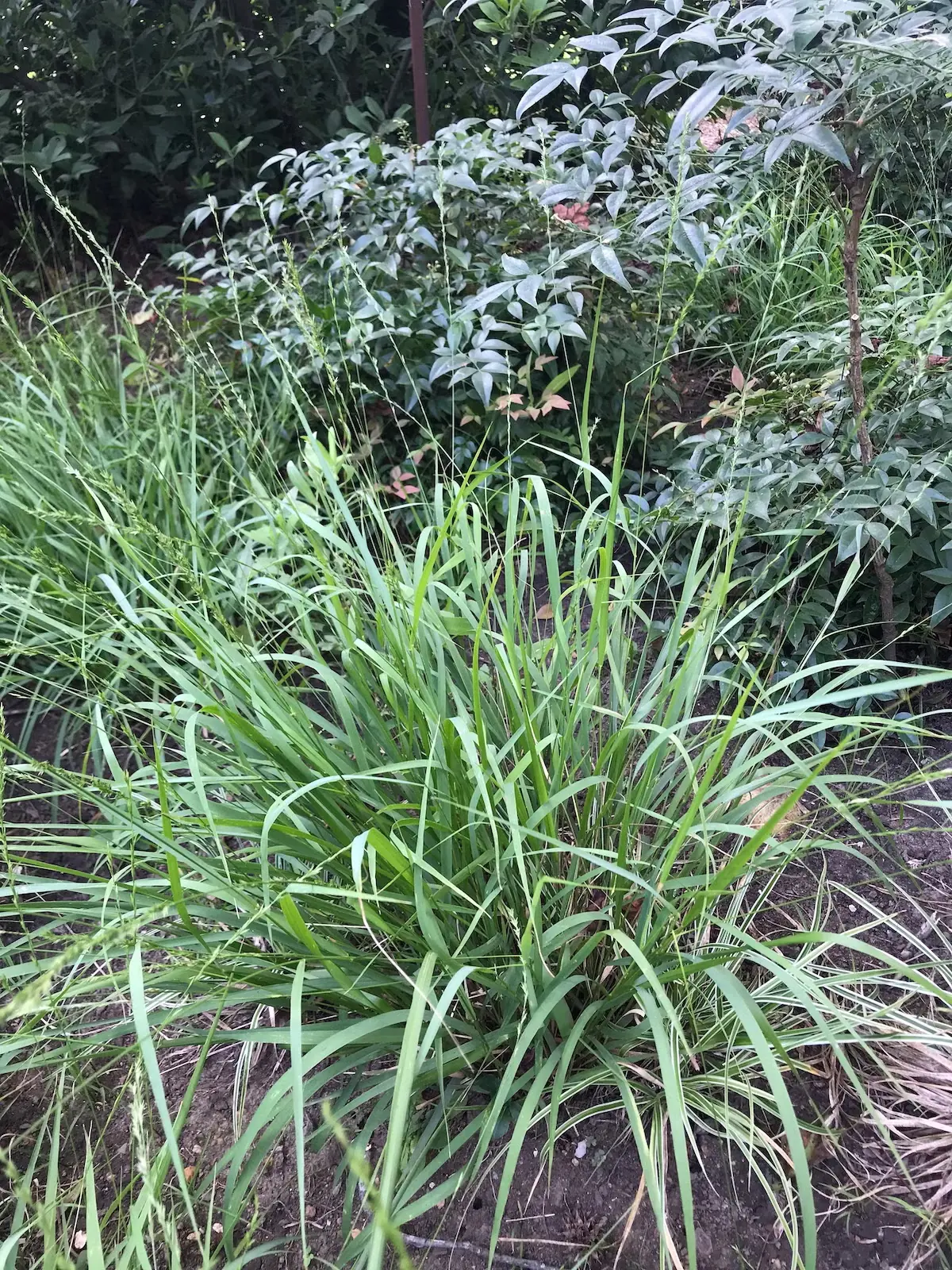
Found mostly in the Southeast and Mid-Atlantic, this cool-season grower naturally hangs out in wet or moist habitats and does best with consistent moisture. Drought will set it back, sure, but it'll also grow in drier soils, isn't picky about soil type, and generally behaves well in a garden setting. Slender wood oats is a host plant for several butterflies, and birds and small mammals enjoy the seeds. It does self-sow, but it's a much more polite spreader than its famously prolific cousin sea oats (C. latifolium).
Small Native Grasses for Hot Sun
Prairie dropseed (Sporobolus heterolepis; Zones 3–9) grows just 12 to 20 inches tall but brings serious elegance to hot, dry, sunny spots. Its finely textured blades and neat mounding habit give it enough polish for formal, structured landscapes, yet it blends right into naturalistic plantings too. Pair it with showy flowering perennials for a pulled-together look, or use it as the base layer for an urban prairie. Fun fact: it's the grass underpinning those gorgeous perennial plantings at the Lurie Garden in Chicago and the High Line in New York City.
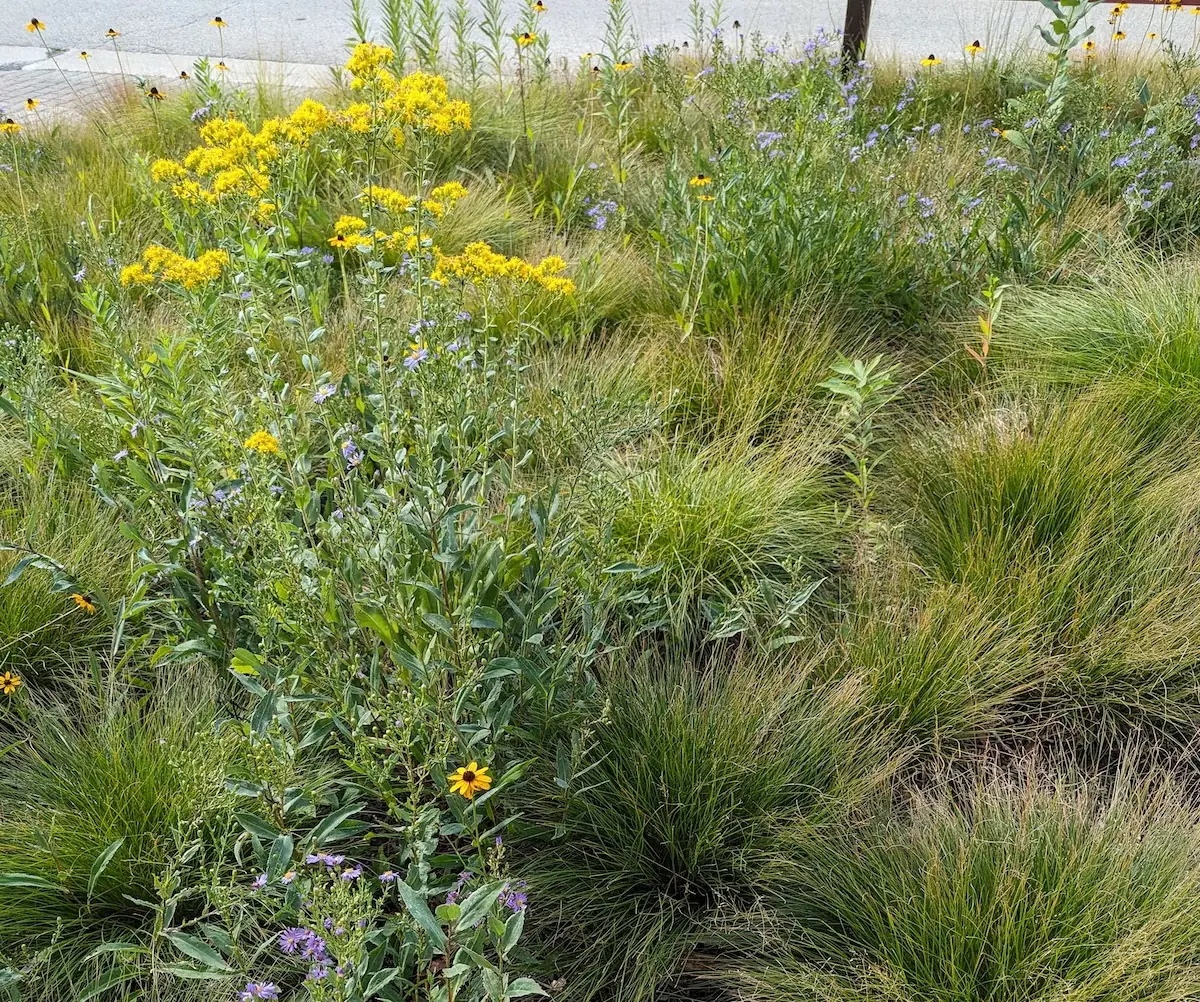
Native to mixed prairies and open areas, it thrives in dry, rocky soils and takes heat and drought in stride. It's most common in the Midwest but performs well across lots of regions. Airy, open plumes appear in summer, rising well above the foliage. As a warm-season grass, it does its growing during the heat of summer. It's a bit slower to establish than other prairie grasses, but totally worth the wait — and once it's settled, it's in it for the long haul. Bonus points for producing edible seeds that sparrows and juncos love, and for absolutely stunning fall color.
Purple love grass (Eragrostis spectabilis; Zones 5–9) is another winner for hot, dry, sunny spots. This plucky native is widespread throughout the central and eastern U.S., and I think of it as an "edge plant" — it actually prefers barren, rocky, or sandy soils and dry conditions, making it perfect for the edges of walkways, driveways, and parking lots. Stick it in fertile or poorly drained soil, though, and it'll get outcompeted by other grasses or fall prey to rot.
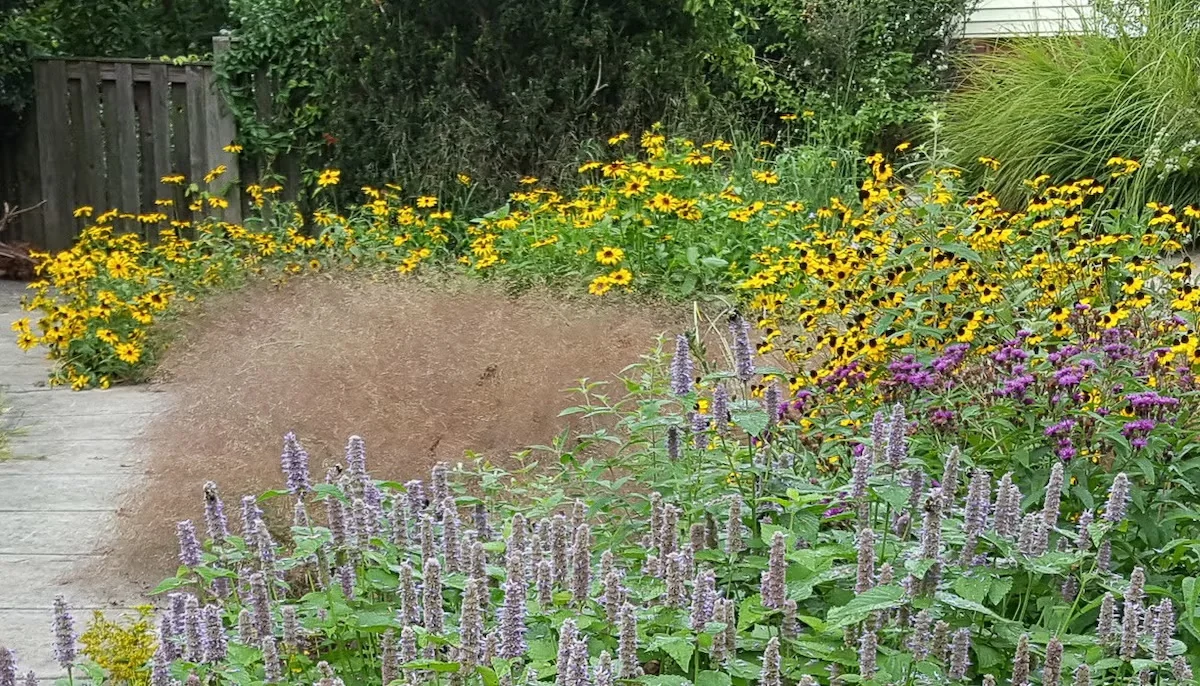
Small pinkish-purple spikelets appear from late summer into early fall, floating in airy clouds above the 6- to 12-inch mound of foliage. It has a petite, bunching habit, but it'll spread slowly by rhizomes to form a nice mass. It self-seeds too, which makes it a fantastic groundcover candidate for poor, infertile soils where not much else wants to grow.
Sideoats grama (Bouteloua curtipendula; Zones 4–9) is one of those quietly terrific, widely adaptable warm-season grasses. With medium-green foliage and a dense, upright habit reaching about two feet, it plays the role of unifier and filler in dry, full-sun conditions. It's a go-to for matrix plantings, serving as the living ground layer that other perennials and woody plants are set into. It blooms with charming oat-like spikes that dangle down one side of the gently arching stems — hence the name.
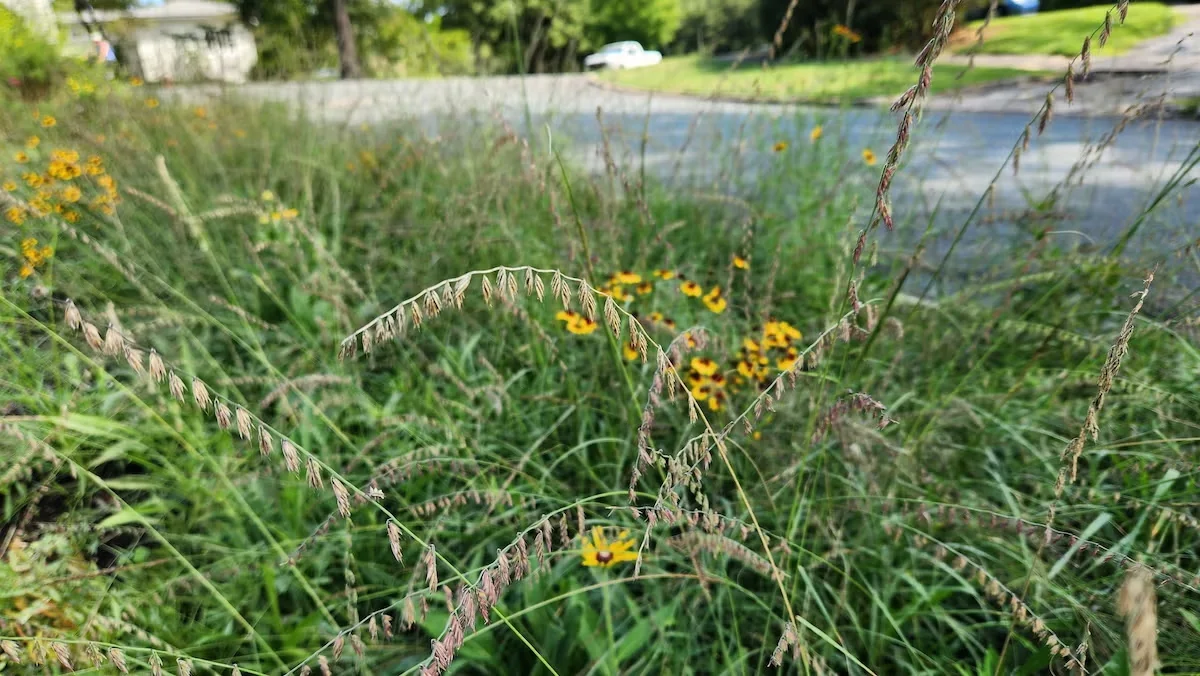
Sideoats grama is native to grasslands across central North America, with scattered populations in the East. It's a solid pick for cultivated landscapes because it handles dry conditions just fine, doesn't care about pH, and will grow in everything from sand to clay. It does self-sow and may spread by rhizomes, though drier conditions tend to keep it clumping rather than running. It hosts several skipper butterfly species, and its seeds draw in birds.
All images courtesy of Izel Plants