“Pinktini lilac gives off a lovely, light scent from its rich pink flowers in late spring and early summer. The shrub stays more compact than a lot of lilacs, so it fits nicely into foundation…”
Magnolia purpurea
Pinktini Lilac Fits Small Gardens and Foundation Plantings
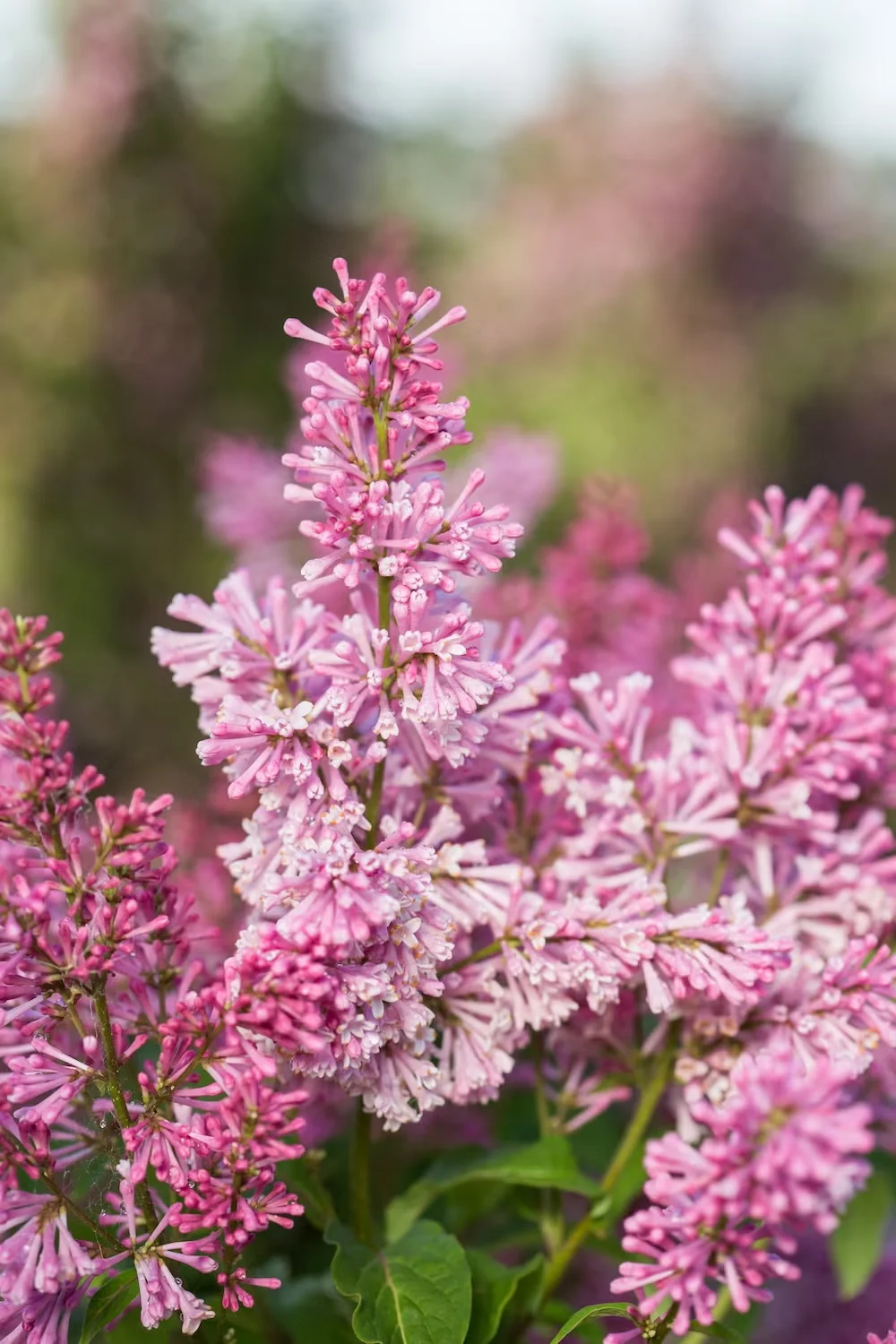
Pinktini lilac gives off a lovely, light scent from its rich pink flowers in late spring and early summer. The shrub stays more compact than a lot of lilacs, so it fits nicely into foundation plantings, pathway borders, and patio beds — right where you can enjoy that fragrance up close. It also blooms later than most lilacs. Easy to grow and really cold-tolerant, this newer lilac is a dependable spring-blooming shrub for smaller gardens.
Common name: Pinktini lilac
Botanical name: Syringa x prestoniae 'Jeftini'
Origin: This is a Preston lilac (Syringa x prestoniae), a hybrid type first developed by Isabella Preston in Canada way back in 1920. These lilacs bloom on the later side and have excellent winter hardiness. Pinktini was bred and introduced in 2019 in Canada by Jeffries Nurseries, a Manitoba wholesale and plant-breeding nursery. It's a cross between two older lilacs, 'Charisma' and 'Miss Canada' — it shares the flower color of the latter but improves on the growth habit and size. Pinktini made its way to the US market through First Editions Shrubs & Trees in 2022.
Flowers: Warm pink flowers open from deep pink buds from late spring to early summer. They deliver that rich lilac fragrance we all love, and they hold up nicely in a vase too.
Foliage: Long, narrow oval leaves stay medium green through the growing season, then drop off in fall.
Size and habit: Pinktini lilac is a deciduous shrub that grows four to five feet tall and three to four feet wide, with an upright habit.
Growing Pinktini lilac
How to grow it: Plant Pinktini lilac where it'll get full sun, in average, well-drained soil. Once it's established it handles drought just fine. Since it's naturally shorter than most lilacs, pruning probably isn't needed — but if you do want to shape it, do it right after flowering ends. Flower buds form on summer growth to open the following spring. Bred in Canada, Pinktini is exceptionally cold tolerant. USDA Zones 2–7.
Image courtesy of First Editions Shrubs & Trees