“Shirley poppies are charming annuals that bloom in spring and early summer. They have round flowers with petals that look like delicate crepe paper. Cultivars come in all shades of red, white, and…”
Solidago glauca
Shirley Poppies for the Flower Garden
Shirley poppies are charming annuals that bloom in spring and early summer. They have round flowers with petals that look like delicate crepe paper. Cultivars come in all shades of red, white, and pink, sometimes with double petals. The cultivar 'Amazing Gray' brings a moody, smokey purple hue. These cool-weather lovers grow best from seed sown right into the garden or decorative containers. They make a lovely — if short-lived — cut flower, and pollinators love them, especially bees.
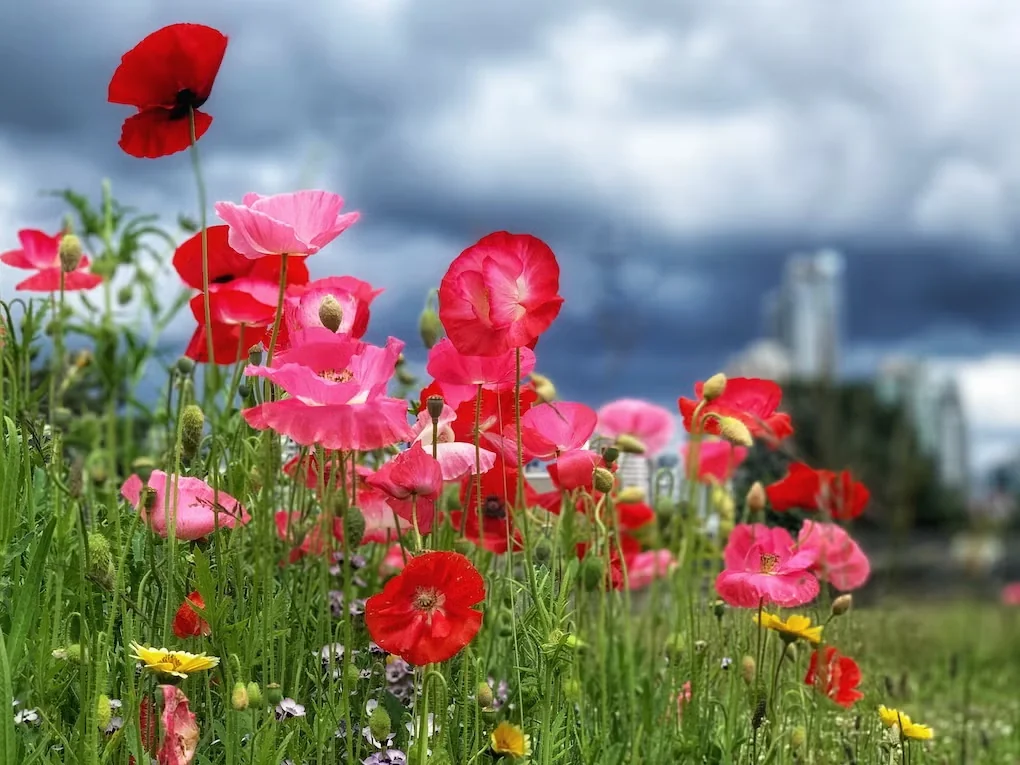
Common name: Shirley poppy
Botanical name: Papaver rhoeas cultivars
Origin: Shirley poppies are derived from a species native to Europe and Asia.
Flowers: Warm-hued, papery petals make up the flowers, which keep coming for about six weeks from spring into summer.
Foliage: Medium green to gray-green and fernlike, with jagged edges. The foliage fades in the summer heat once the plant is done blooming — so pair Shirley poppies with a companion that can cover the fading leaves, or follow them up with heat-loving annuals like zinnias or cosmos.
Size and habit: Shirley poppy cultivars typically reach two to three feet tall in bloom and slightly less wide, with an upright habit.
Growing Shirley poppies
Exposure: Full sun; some afternoon shade in the U.S. South
How to grow it: Shirley poppies really don't like being transplanted, so your best bet is to sow seed directly where they'll grow — in the garden or in containers. Scatter the seed on the soil surface several weeks before your last expected frost date, as soon as the soil can be worked. In warm-winter areas, you can sow in fall and the seed will sprout in late winter or earliest spring. If you do want to start indoors, use plantable pots so you don't disturb the roots at transplanting time.
Shirley poppies want fertile soil, moderate watering, and full sun — though a little afternoon shade in hot climates can help extend their show. These are cool-weather plants at heart, so they'll naturally start to fade when summer really heats up.
As a cut flower, Shirley poppies only last a day or two, but oh, they're gorgeous while they last. Cutting them actually encourages more flowers! Snip them at the base of the stem as they start to open. To get a bit more vase life, cut-flower growers swear by briefly burning the stem end or dipping it in boiling water for 10 seconds, then immediately moving it to cold water before arranging.
These plants will probably self-sow — sometimes pretty enthusiastically! If that's not what you want, just deadhead the flowers. Or better yet, collect the seed and sow it exactly where you want it.