“Redpointe red maple brings some of the most vivid red fall foliage you'll ever see — and that's saying something, since red maples are already famous for their autumn color. What really sets…”
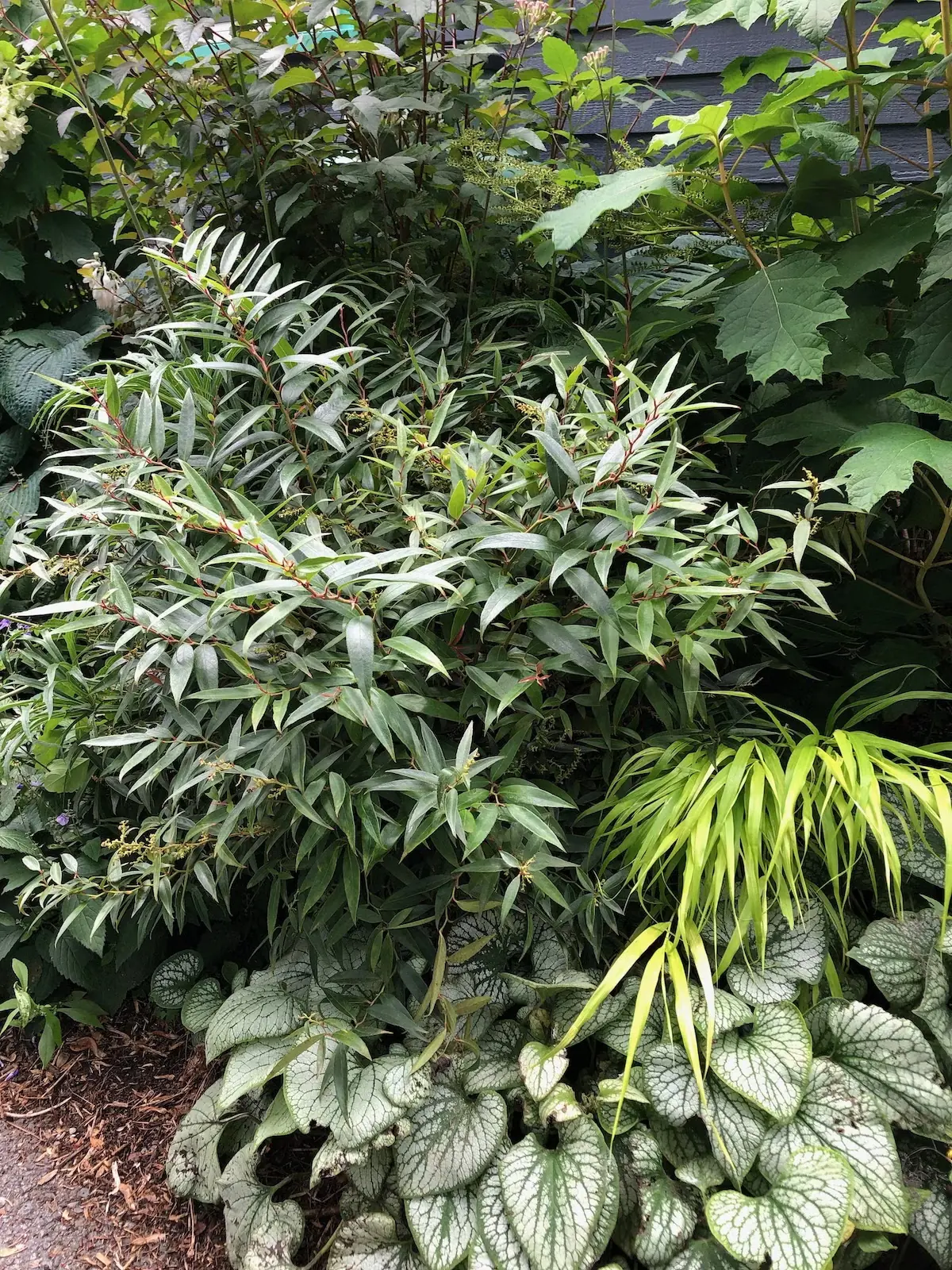
Pieris montana
Plant Redpointe Red Maple for Fall Color and Strong Growth Habit
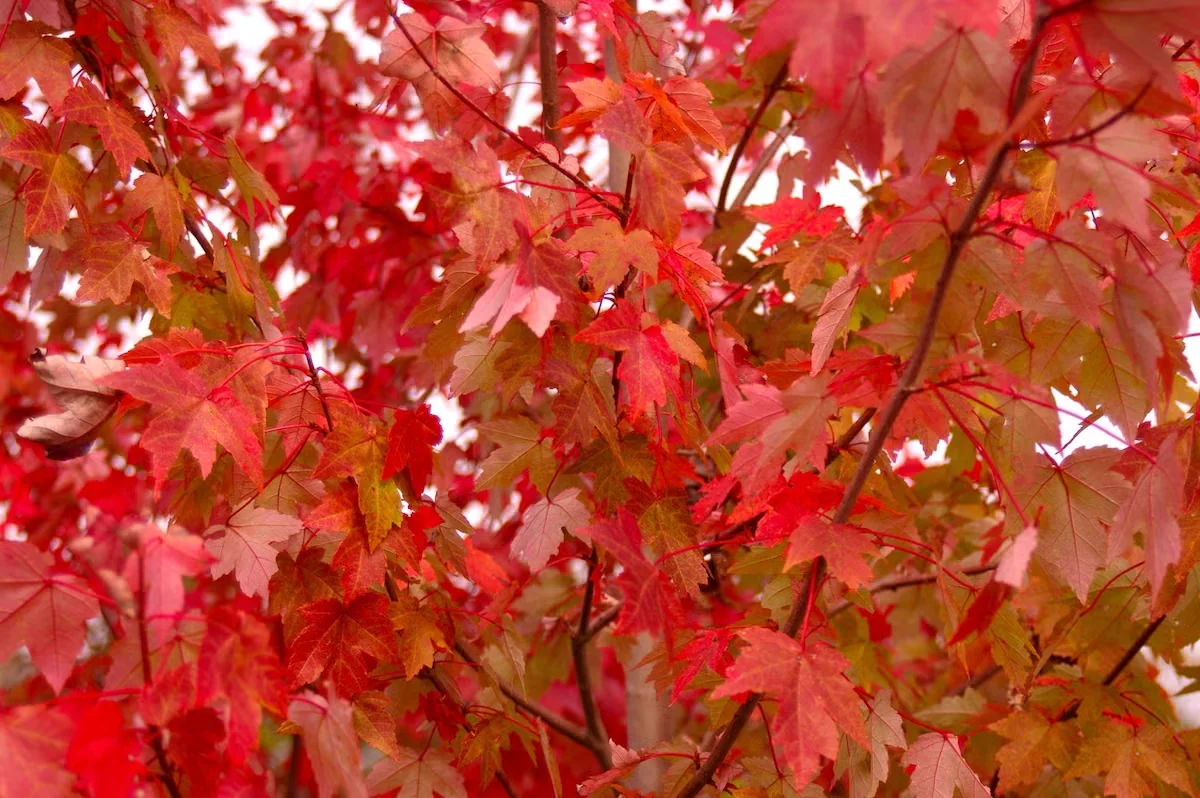
Redpointe red maple brings some of the most vivid red fall foliage you'll ever see — and that's saying something, since red maples are already famous for their autumn color. What really sets Redpointe apart, though, is that it avoids the structural issues a lot of red maples develop over time, so you get a longer-lasting, lower-maintenance tree compared to the straight species or other cultivars. And like all red maples, Redpointe is a real workhorse for local ecology. Birds, woodland mammals, and several moth caterpillars depend on red maples for food and shelter. Plus, those early-spring flowers are among the first nectar and pollen sources for bees just waking up.
Common name: Redpointe red maple
Botanical name: Acer rubrum Redpointe ('Frank Jr.')
Origin: Acer rubrum is a species that's native from eastern Canada all the way down to Florida and east Texas. Red maples naturally grow in woodland understories and along stream banks. Redpointe ('Frank Jr.') was introduced in 2006 by J. Frank Schmidt & Son, an Oregon-based wholesale tree grower that's developed more than 100 cultivars since 1946. In 2025, Redpointe was added to the Pennsylvania Horticultural Society's list of Gold Medal Plants.
Flowers: Small, golden-green flowers bloom in early spring — a welcome meal for hungry bees.
Foliage: Classic maple-shaped leaves emerge with a reddish tinge in spring, mature to a deep green, then turn an absolutely brilliant deep red in fall before dropping.
Size and habit: Redpointe reaches about 45 feet tall with a 30-foot spread. It has a strong, straight central leader that creates a nice symmetrical, pyramid-shaped canopy — and that's not just for looks, it actually makes the tree healthier and stronger. Here's the thing with red maples: they tend to grow with codominant stems, meaning similarly sized stems emerge from the same point on the lower trunk. Those stems compete with each other and create tight angles with weakened bark, and eventually one or more of them will break off. Redpointe's dominant leader completely sidesteps this problem, along with the pruning or cabling you'd need to fix it.
Growing Redpointe red maple
How to grow it: In general, red maples like moist, slightly acidic soil, but they'll tolerate other types and drier conditions too. They can even handle wet soil and periods of flooding, which makes them a solid choice for a rain garden. For the most spectacular fall color, give Redpointe full sun. USDA Zones 5–8.
Image courtesy of the Pennsylvania Horticultural Society