“American smoketree (Cotinus obovatus) is a small tree native to the southern US. It doesn't get nearly as much garden love as its European cousin (Cotinus coggygria), which is a shame because it's a…”
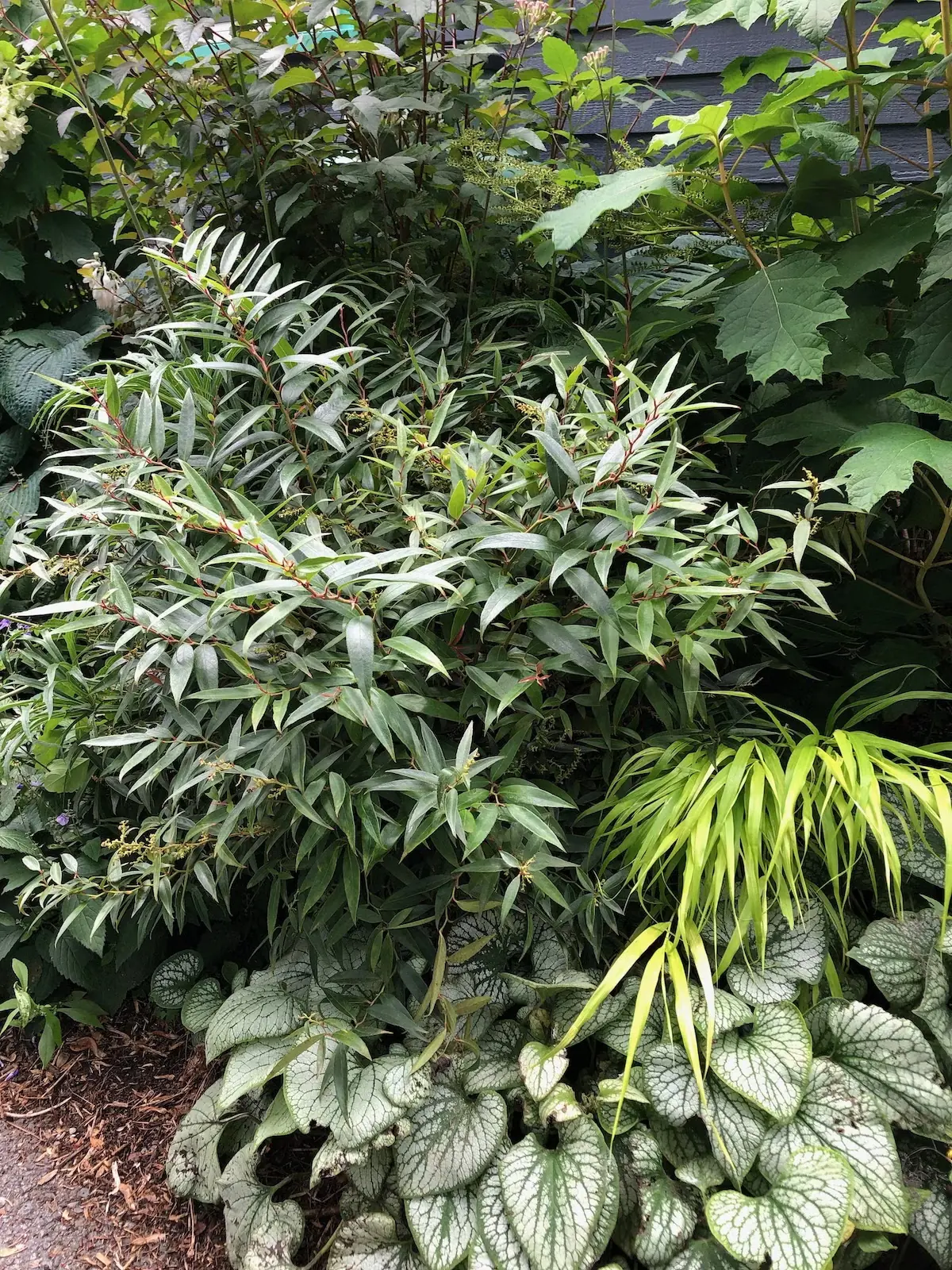
Viburnum lanceolata
American Smoketree Provides Year-Round Color and Texture
American smoketree (Cotinus obovatus) is a small tree native to the southern US. It doesn't get nearly as much garden love as its European cousin (Cotinus coggygria), which is a shame because it's a gorgeous multiseason tree that barely asks anything of you — it actually prefers poor soil! You get knockout fall foliage, cool scaly bark, and the same dreamy smoky summer flowers as the more popular C. coggygria cultivars.
American smoketree
Botanical name: Cotinus obovatus
Origin: Southeast to south-central United States — you'll find it on bluffs, slopes, and limestone glades.
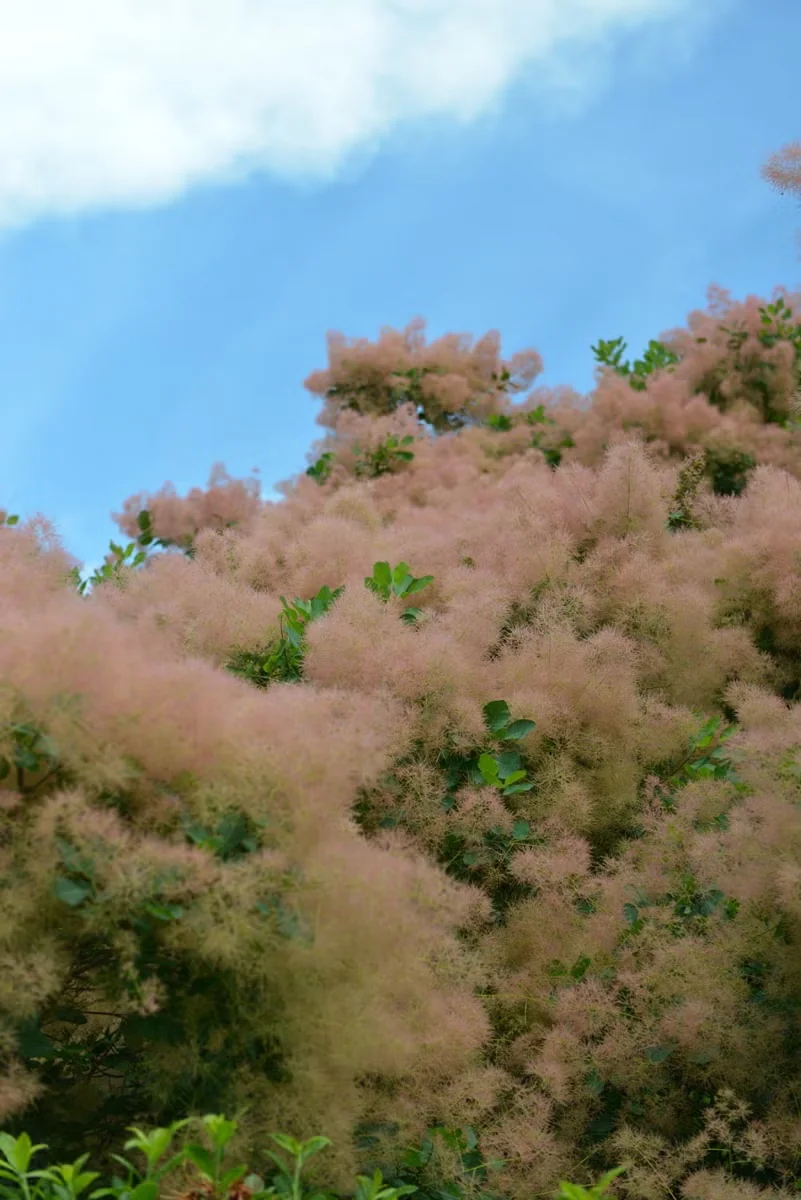
Flowers: The actual flowers show up in summer and are greenish yellow — honestly not that exciting to look at. They're small but hang out in big panicles up to 10 inches long. The real show comes from the male flowers, which have these long, reddish purple, wispy hairs that stick around even after the flowers fade. That's what gives the tree its signature smoky, cloud-like look.
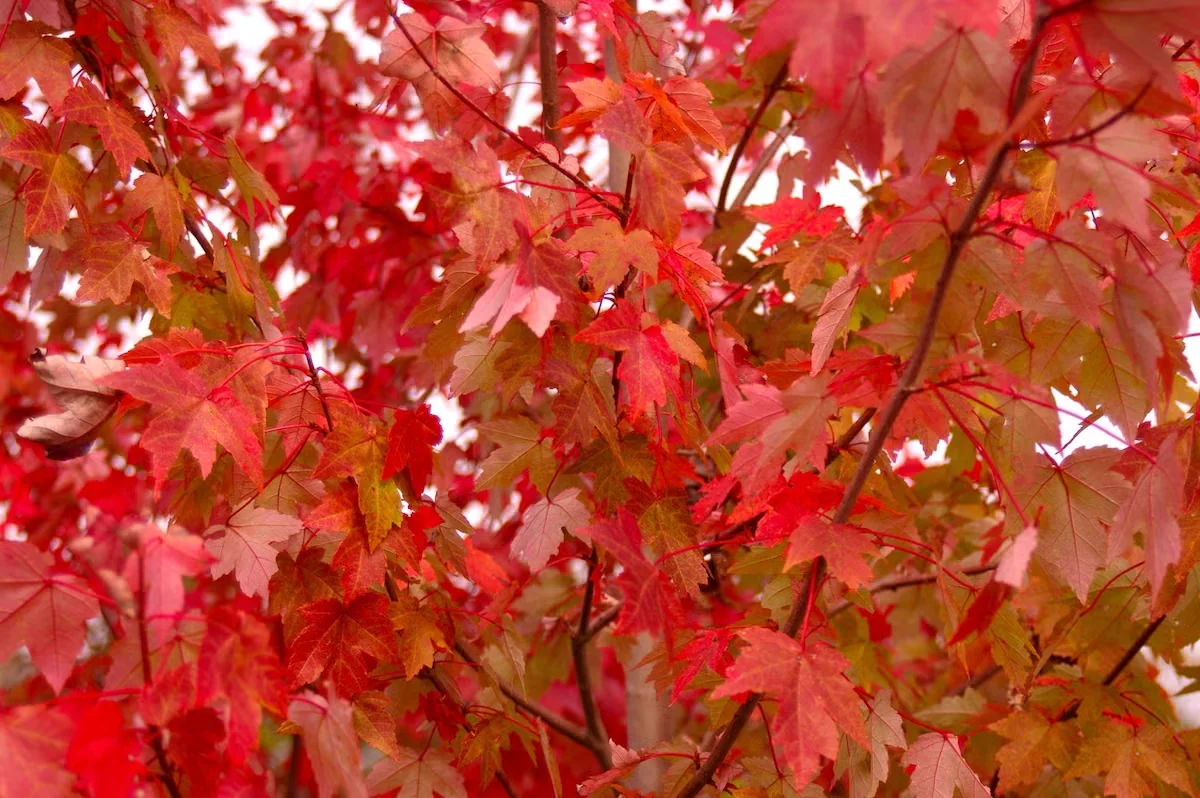
Foliage: The leaves are broadly oval and emerge pink in spring — yes, pink! — then shift to a bluish green for summer. When fall rolls around, the foliage puts on a serious show, turning vivid shades of orange, purple, and red before dropping.
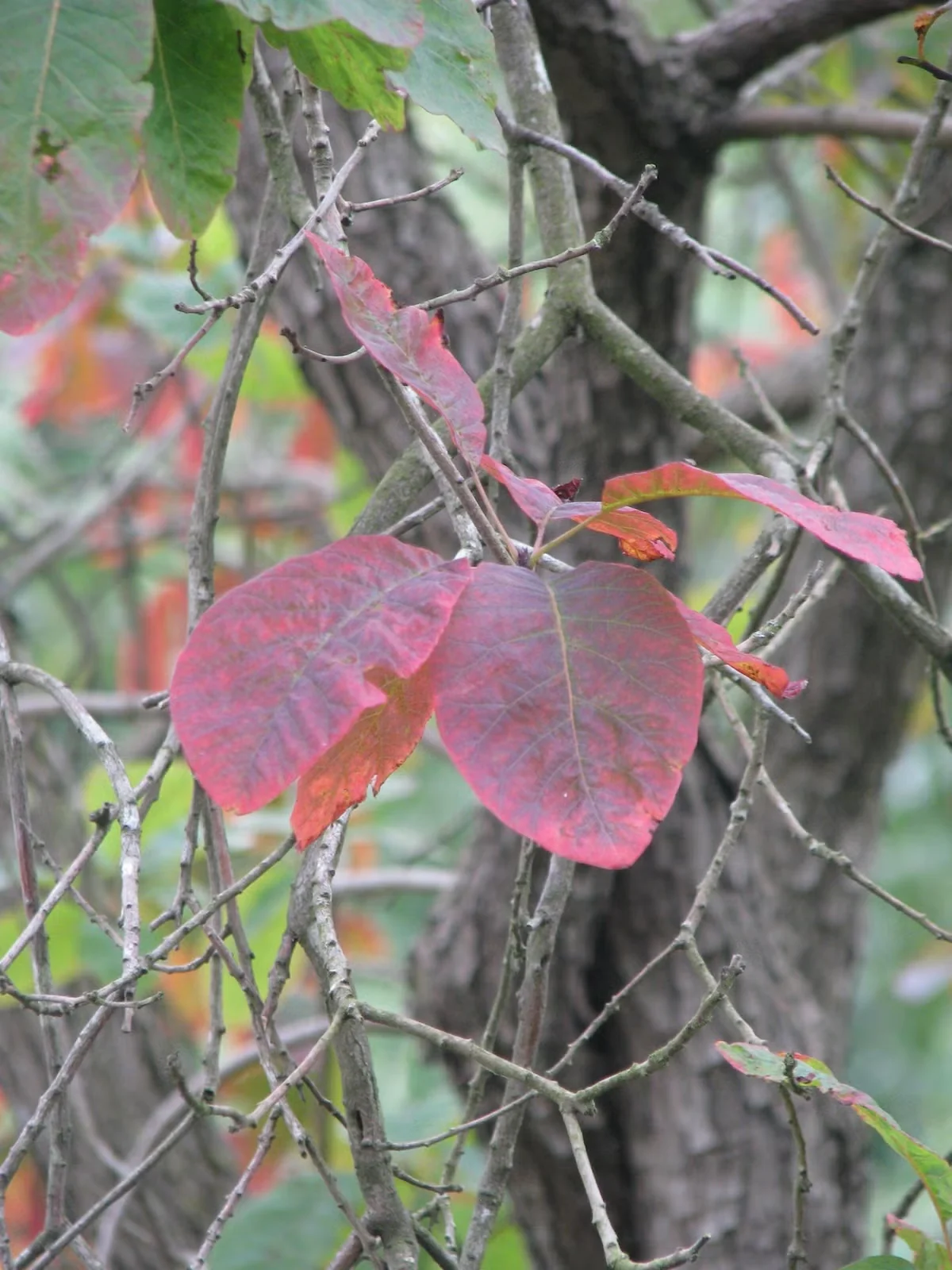
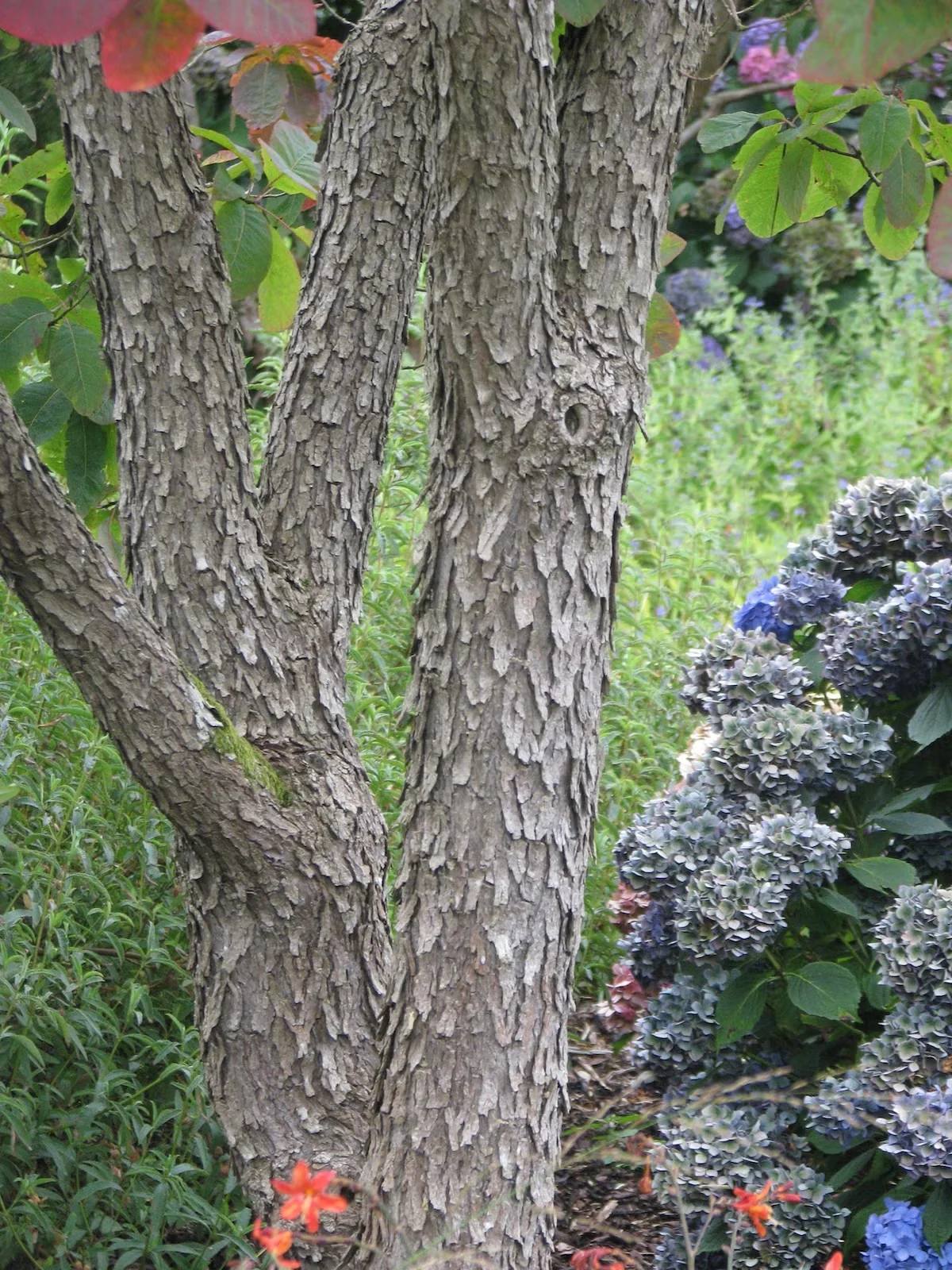
Size and habit: American smoketree slowly reaches about 20 to 30 feet tall with a rounded crown that's just as wide. As it ages, the bark gets really characterful — scaly and peeling in big rough plates that add a ton of winter interest.
Growing American smoketree
Exposure: Full sun to part shade
How to grow it: American smoketree actually prefers well-drained, rocky soil on the lean side — don't baby it with nutrients. It grows best with even, moderate moisture and full sun. Once it's settled in, it can handle short dry spells just fine. Honestly, the worst thing you can do is fertilize it or overwater it. Less is more with this one! USDA Zones 4–8.
Image credits: Flowering by Plant Image Library/CC BY-SA 2.0; Fall leaf and bark by peganum/CC BY-SA 2.0.