“New Jersey garden designer and educator Laura Janney works from a simple but powerful idea: plants make people happy. Through her design studio, The Inspired Garden, she helps homeowners figure out…”
Pieris flavescens
Create Annual Planters That Are Dramatic and Full of Color
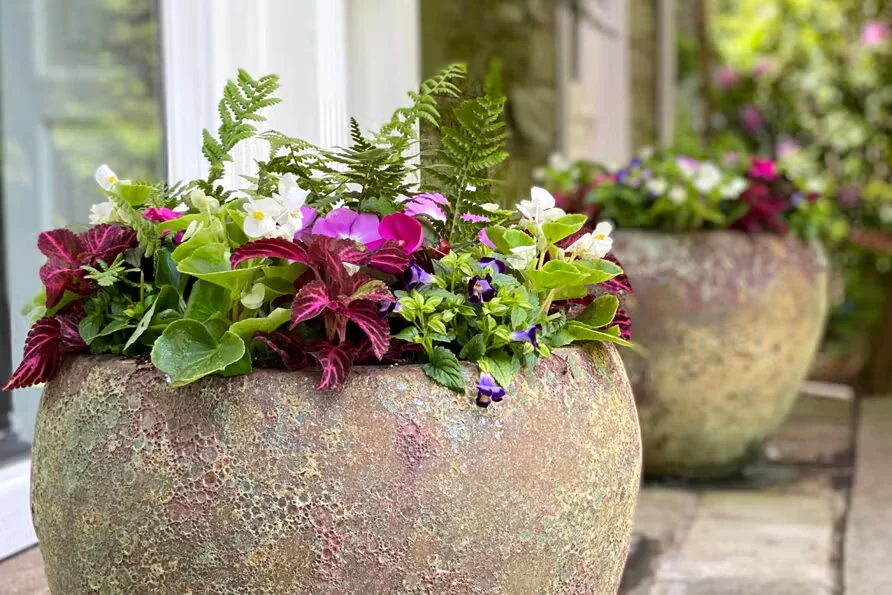
New Jersey garden designer and educator Laura Janney works from a simple but powerful idea: plants make people happy. Through her design studio, The Inspired Garden, she helps homeowners figure out their personal garden style, then creates a plan that sparks real joy. Annual planters are a huge part of what she does — clients are always asking for pots that pop with color and drama, especially by the front door.
"Clients who come to me for container designs want to create a welcoming entrance and boost curb appeal — they want their home to feel inviting from the very first glance," she says. They also want the plants to keep looking good without a ton of effort, and they definitely want to avoid the damage caused by New Jersey's ever-present deer. With those priorities in mind, Laura hand-picks seasonal plants and puts together dynamic combinations. While every planter varies a bit to match the home's style and the client's color preferences, she sticks to some tried-and-true principles and plant picks that have never let her down.
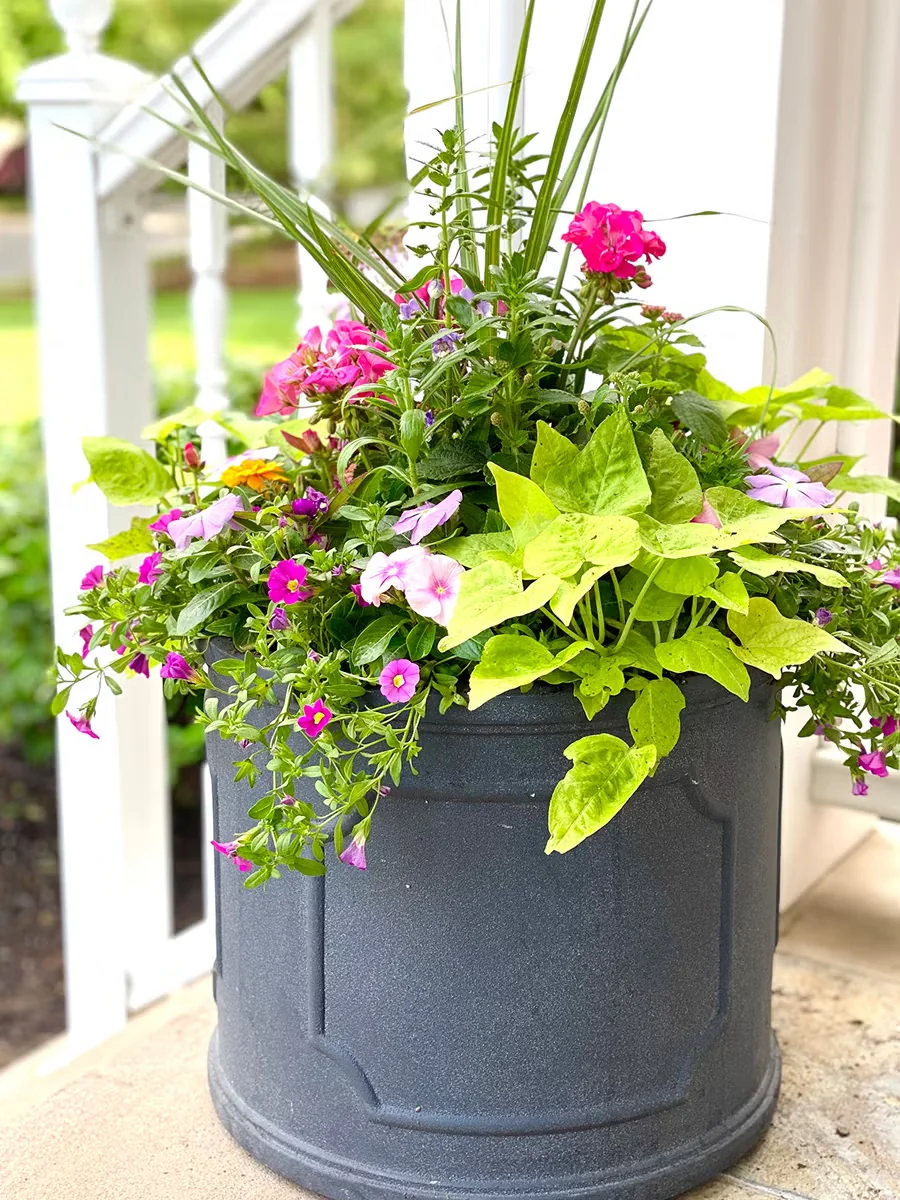
Laura is quick to point out that a truly outstanding annual planter really starts with the container itself.
"When I'm picking out containers, I gravitate toward ones that are circular at the top with a 15-inch diameter," she says. "That size hits the sweet spot — big enough to make an impact, but not so huge that it overpowers the individual beauty of each flower." She's also a fan of taller containers: they really show off the plants, add height to the overall scene, and save space too.
When it comes to the actual design, Laura recommends balancing color, height, and texture — but she believes there's one key ingredient that makes a design truly perfect.
"The most important thing is to include flowers that you personally love — that's what gives the design its heart and makes it feel meaningful and enjoyable," she says. Once those favorites are in the mix, think about editing around them: "Less is more," Laura notes. "Keep the design simple and let the flowers themselves be the star of the show."
The thriller-spiller-filler formula can feel like a shortcut to simplifying the design process, but Laura suggests treating it as a starting point, not a rigid rule. She'll typically start with a dramatic centerpiece, add a few more eye-catching plants, then balance things with fillers and trailers. But staying flexible is key.
"Sometimes, especially with shorter containers, I skip the centerpiece and go for more of a mound shape. Sometimes I leave out the trailers if they'd be too much or distracting," she explains. "My approach is to adapt the formula to fit what each specific container needs, so the end result feels harmonious and just right."
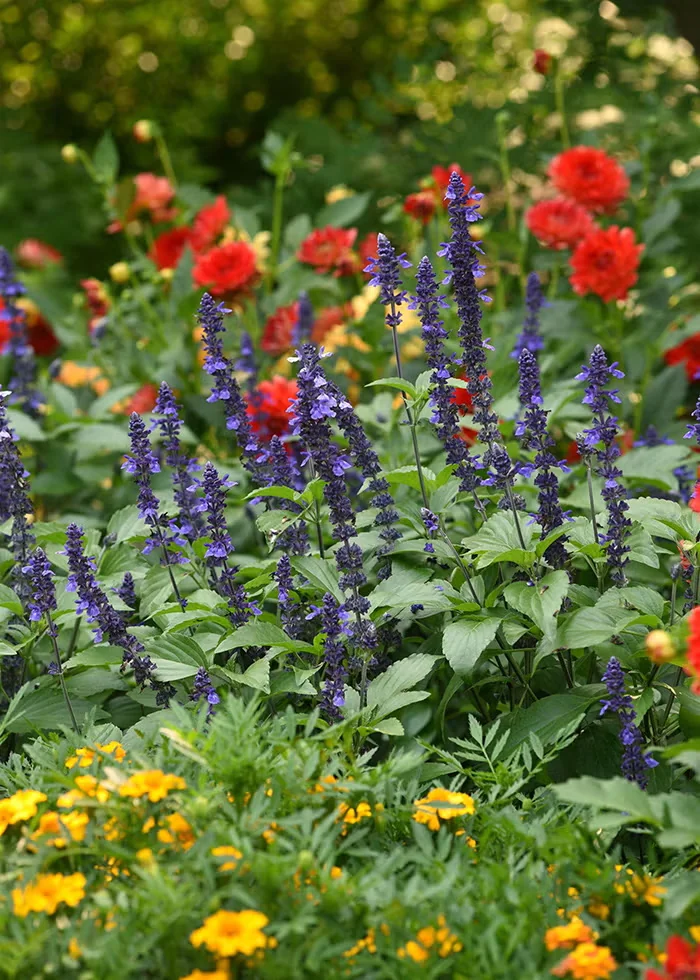
Laura has several go-to flowers she loves weaving into her annual planters. For centerpieces, she often turns to annual salvia and angelonia — she loves the dramatic upright growth habit of both, and bonus: deer leave them alone. To those she might add geraniums (Pelargonium) and dahlias for pops of color.
"Geraniums put on such a show — their flowers bloom forever and really fill out a pot nicely," she says. "And dahlias? Total showstoppers. They add so much interest and drama, making any container feel extra special."
To round out the design, she relies on annual vinca (Catharanthus roseus), also called Madagascar periwinkle, and marigolds — which she thinks are "sometimes underrated."
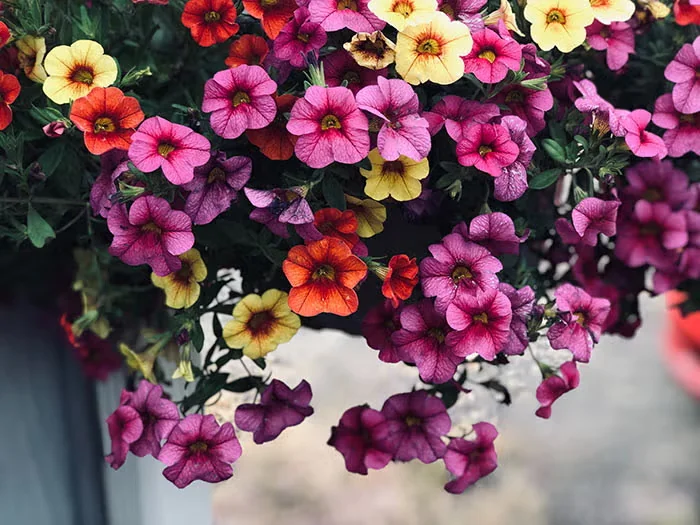
"They're a favorite of mine for their toughness, insect-repelling qualities, and that wonderful scent," she says. Calibrachoa, petunias, creeping jenny, and potato vine round out Laura's list of frequent fliers in annual planters — though she has other favorites for specific situations (see "Pretty Tough Plants" below).
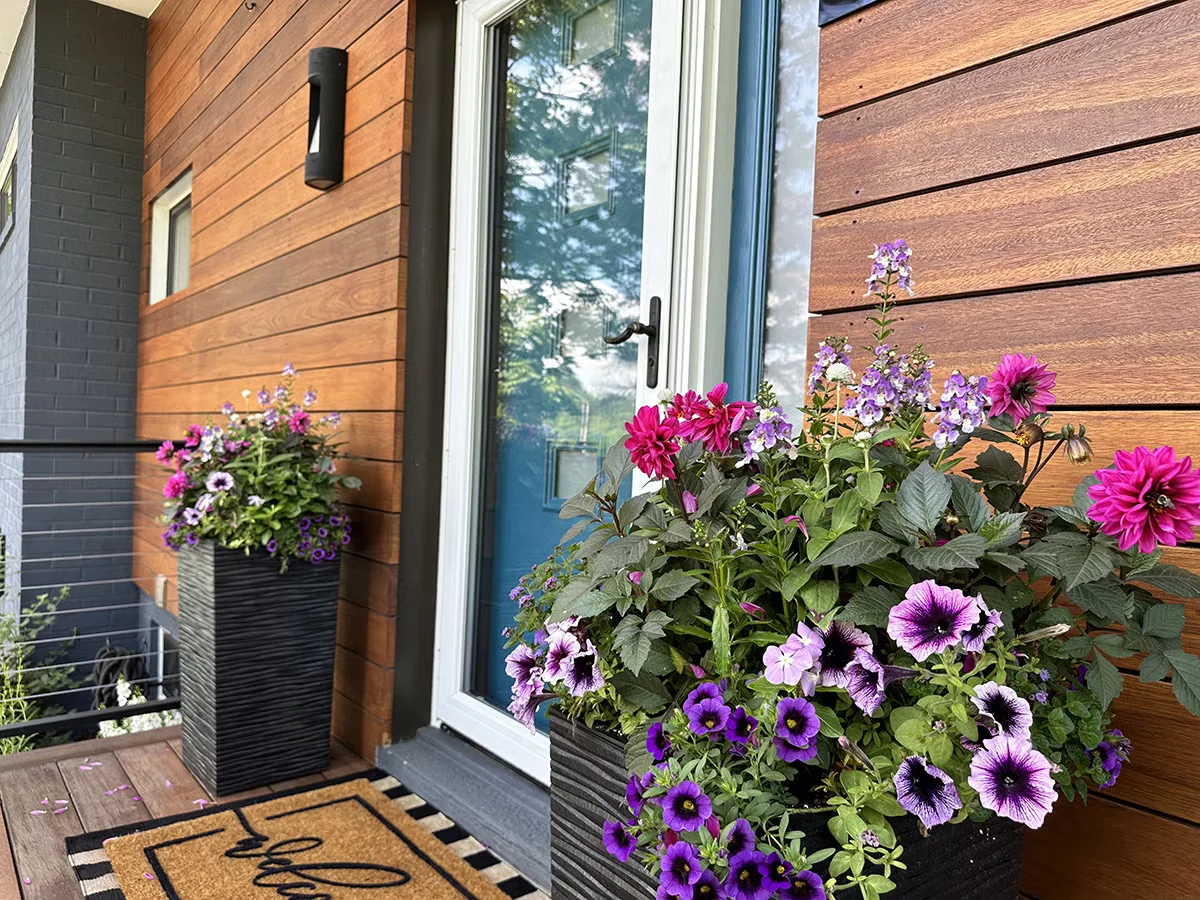
No matter what you put in a mixed container, it needs a balance of excitement and restraint. Laura recommends mixing up shapes and textures to keep things interesting, while sticking to fewer colors so the overall design feels pulled together. Those intricately patterned and bicolor flowers that have flooded the market? They offer both opportunities and challenges.
"I recommend pairing them with blooms that have more solid or simpler colors," Laura suggests. "That way the patterned blooms don't have to compete visually with their neighbors — they get to be the focal point. By choosing companions that complement rather than overwhelm, you create a balanced, gorgeous container that really lets those unique flowers shine."
Of course, even the most carefully planned container design can run into weather surprises or pest problems. When plants start looking tired, don't be afraid to swap in fresh ones over the course of the summer.
"There's no reason to hang onto a plant that doesn't bring you joy," Laura says. "Remember, keeping a container garden vibrant is an ongoing process — and making occasional updates is just part of the fun and creativity of gardening!"
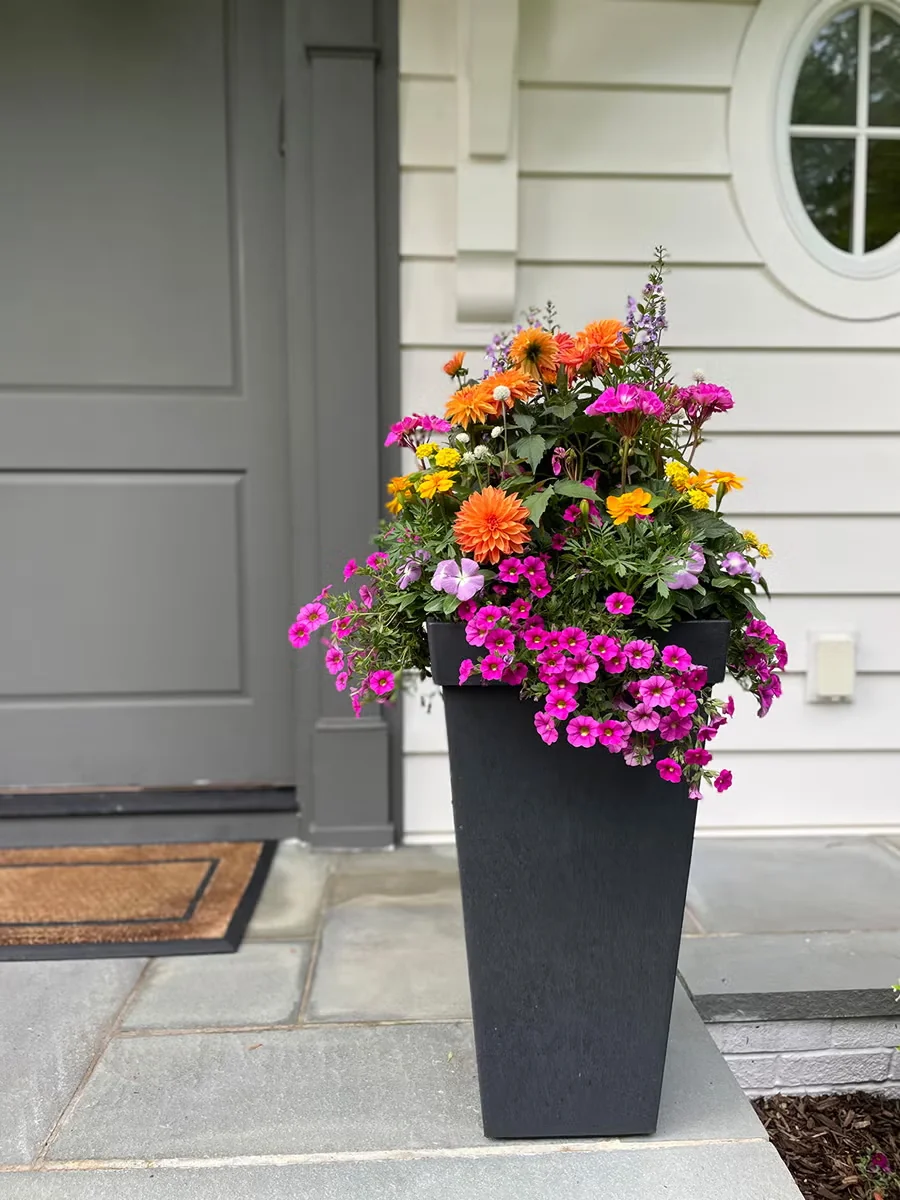
Keeping Up with Annual Planters
Laura Janney shares her top tips for keeping containers looking their absolute best:
- Choose lightweight planters.These allow you to easily move your containers to protect them from extreme weather conditions like heat waves or storms.
- Use moisture-control soil.This helps retain the right amount of water and provides consistent moisture to the plants, which is essential during the hotter months.
- Water consistently.Watering in the morning is ideal as it helps plants absorb moisture before the heat of the day and reduces evaporation. If you plan to be away, arrange for someone to water your containers. Remember, natural rainfall often isn't enough for potted plants, especially during light showers. For ease and consistency, consider installing irrigation tubes in your planters.
- Water correctly.Insert the hose directly into the soil rather than watering over the foliage. This ensures the water reaches the roots where it's most needed and helps prevent leaf diseases.
- Perform regular maintenance.Deadheadingspent flowers is crucial, as it not only cleans up your pot but also encourages more blooms. Make it a regular part of your garden routine.
- Apply plant food.Use a bloom-booster fertilizer to nourish your plants and promote vigorous growth and flowering.
- Guard against deer.If they are a concern, protect your plants by regularly applying deer repellent to deter them from nibbling on your garden.
- Add and subtract. Even with a well-watered and well-tended container it is natural to find some flowers either get tired looking or just die. Pinterest is not real life! It's okay to replace flowers as needed. Nothing looks worse than a dead flower or a flower that just isn't working for you or bringing joy. —LJ
Pretty Tough Plants for Containers
Laura has a handful of go-to annuals that deliver bold, colorful container combos while shrugging off the usual summer challenges.
For shady spots:
- New Guinea impatiens
- Begonias
- Ferns
- Coleus
For the baking sun:
- Portulaca
- Angelonia
- Annual vinca (Catharanthus roseus)
- Dwarf zinnias
- Lantana
For where deer do roam:
- Begonias
- Lantana
- Angelonia
- Marigolds
- Salvia
- Ageratum
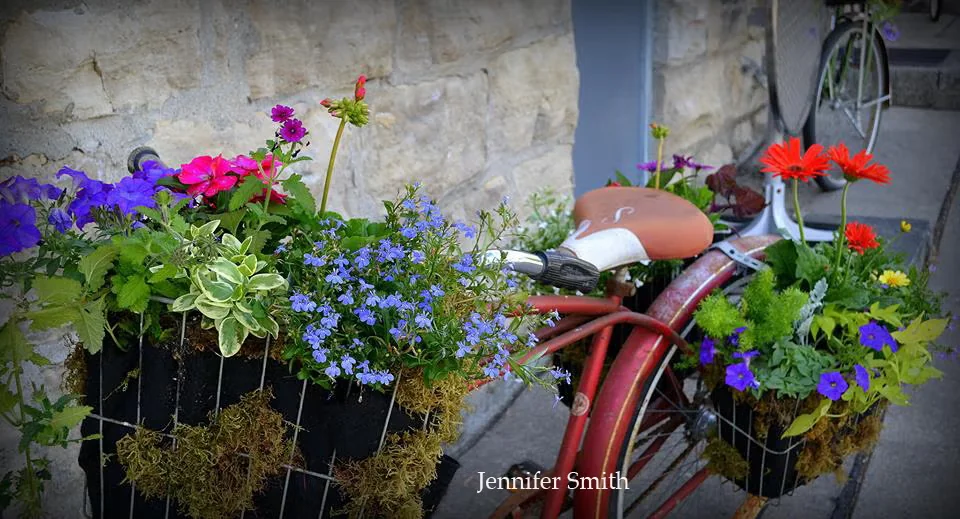
Why has container gardening been a constant feature of gardening for centuries? Easy — you can do anything in a container, from growing edibles to pagoda dogwoods to vining plants to a…
7 all-star, trouble-free flowers for heat!
Scott Beuerlein makes the case here.