“'Herbstsonne' coneflower (Rudbeckia 'Herbstsonne') is one of those plants that just commands attention — a big, bold perennial that pumps out huge yellow flowers on towering stems from summer…”
Syringa sylvestris
Plant 'Herbstsonne' Coneflower for Its Height and Long-Lasting Bloom
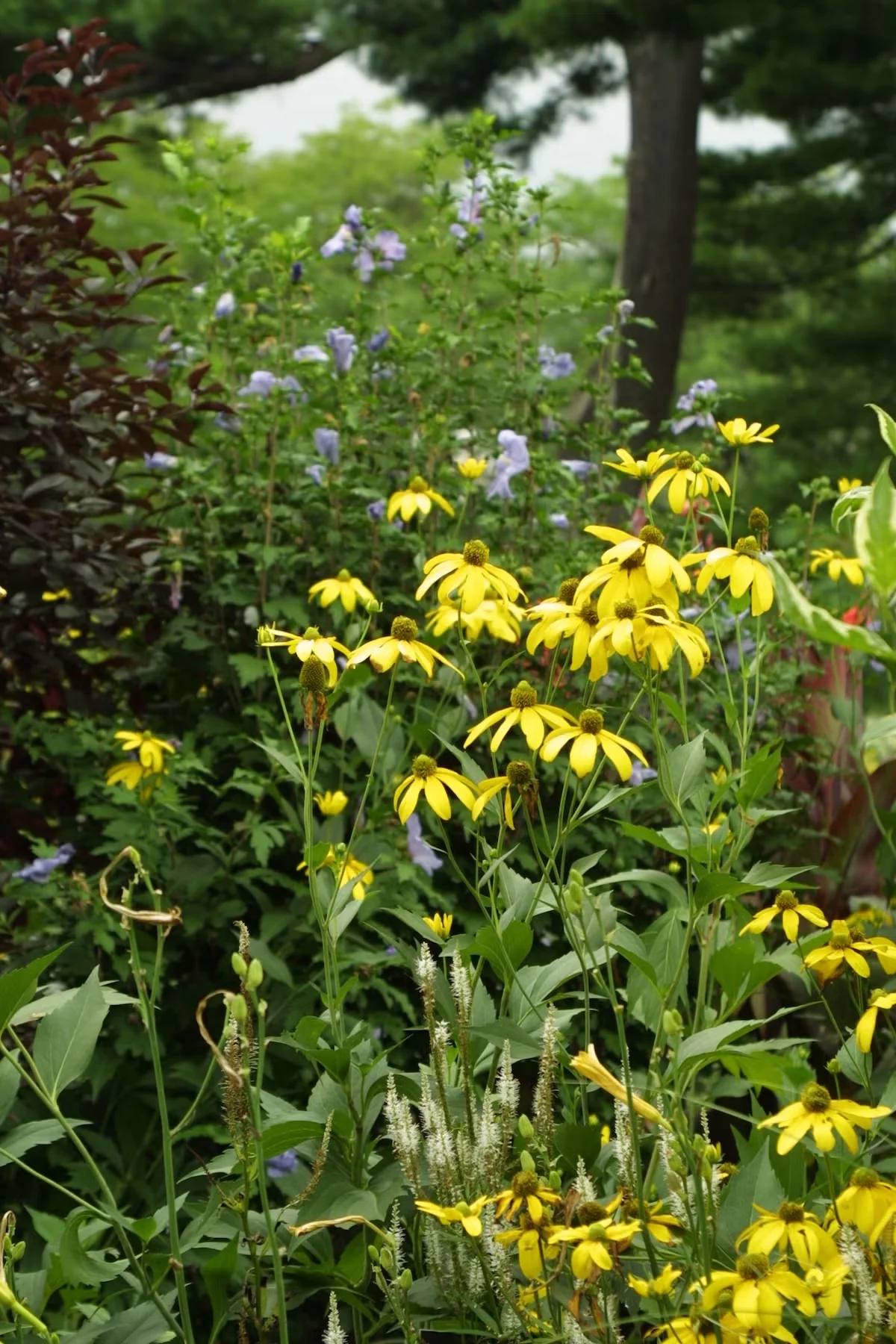
'Herbstsonne' coneflower (Rudbeckia 'Herbstsonne') is one of those plants that just commands attention — a big, bold perennial that pumps out huge yellow flowers on towering stems from summer straight into fall. The bees and butterflies absolutely love it, and if you leave the seed heads on, little songbirds like American goldfinches will snack on them too.
Common name: 'Herbstsonne' coneflower (it's also called 'Autumn Sun' coneflower, which is just the English translation of the German herbstsonne — pretty fitting, right?)
Botanical name: Rudbeckia 'Herbstsonne'
Origin: 'Herbstsonne' is thought to be a hybrid of two species — Rudbeckia nitida and Rudbeckia laciniata — and you'll sometimes see it sold as a cultivar of either one. R. nitida is native to the Deep South, while R. laciniata has a much wider range, stretching from southern Canada down to northern Florida and west all the way to Idaho and Arizona.
Flowers: This beauty blooms from summer into early autumn (especially in cooler spots), putting out classic daisy-shaped flowers. The medium-yellow petals droop gracefully around a tall, upright cone that shifts from gold to greenish-yellow. The flowers can get up to four inches across, and they sit on top of stems that add a foot or more to the plant's overall height — seriously impressive.
Foliage: Toothed, deep green, and shiny, with deeply cut lobes that give it a nice textured look.
Size and habit: This is a perennial that really reaches for the sky — four to seven feet tall when in bloom, and two to three feet wide. It makes a statement, that's for sure.
Growing 'Herbstsonne' coneflower
How to grow it: Give this tall beauty full sun and average to poor soil with good drainage — honestly, it doesn't want to be babied. It likes regular moisture but once it's settled in, it handles drought like a champ. Deadheading can stretch out the bloom time, but I'd suggest letting at least some flowers go to seed for the birds. Whatever you do, don't plant it in rich soil or feed it — that just leads to floppy, weak growth that'll need staking. It can spread by rhizomes, so every few years, dig up the clump and divide it to keep things in check (and share the extras with friends!). USDA Zones 5–9.
Image credit: Michelle Gervais