“Magnolias remain one of the most beloved ornamental trees out there. This versatile genus is famous for the deciduous types that bloom in spring — like the saucer magnolia (Magnolia x soulangeana)…”
Viburnum americana
New Magnolias Offer Better Hardiness and Manageable Size
Magnolias remain one of the most beloved ornamental trees out there. This versatile genus is famous for the deciduous types that bloom in spring — like the saucer magnolia (Magnolia x soulangeana) and the star magnolia (M. stellata) — and also for its many evergreen species, including the classic southern magnolia (M. grandiflora) and the sweetbay magnolia (M. virginiana var. australis).
Those time-tested favorites still make gardeners happy, but there's a lot to get excited about on the horizon. Right now, many new evergreen species and hybrids are being evaluated for their landscape potential, drawing on M. figo, M. foveolata, M. insignis, M. laevifolia, and quite a few other newly discovered Asian species.
Tom Ranney, a plant hybridizer with the Department of Horticultural Science at NC State University's Mountain Horticultural Crops Research & Extension Center, sums up what's happening in magnolia breeding right now:
“We're pushing the boundaries of wide hybridization in magnolias, trying to combine unique and diverse traits. We're continuing to develop new, complex hybrid evergreen and deciduous trees and shrubs with good cold hardiness, diverse flower colors, fragrance, showy flowers, late bloom times, and the ability to root from cuttings. There's just so much to work with in magnolia. We're making good progress on dwarf evergreen shrub and hedge forms. Ultimately, I think the commercially available magnolia palette is going to change dramatically — it just takes a little time.”
Frost-proof deciduous magnolias
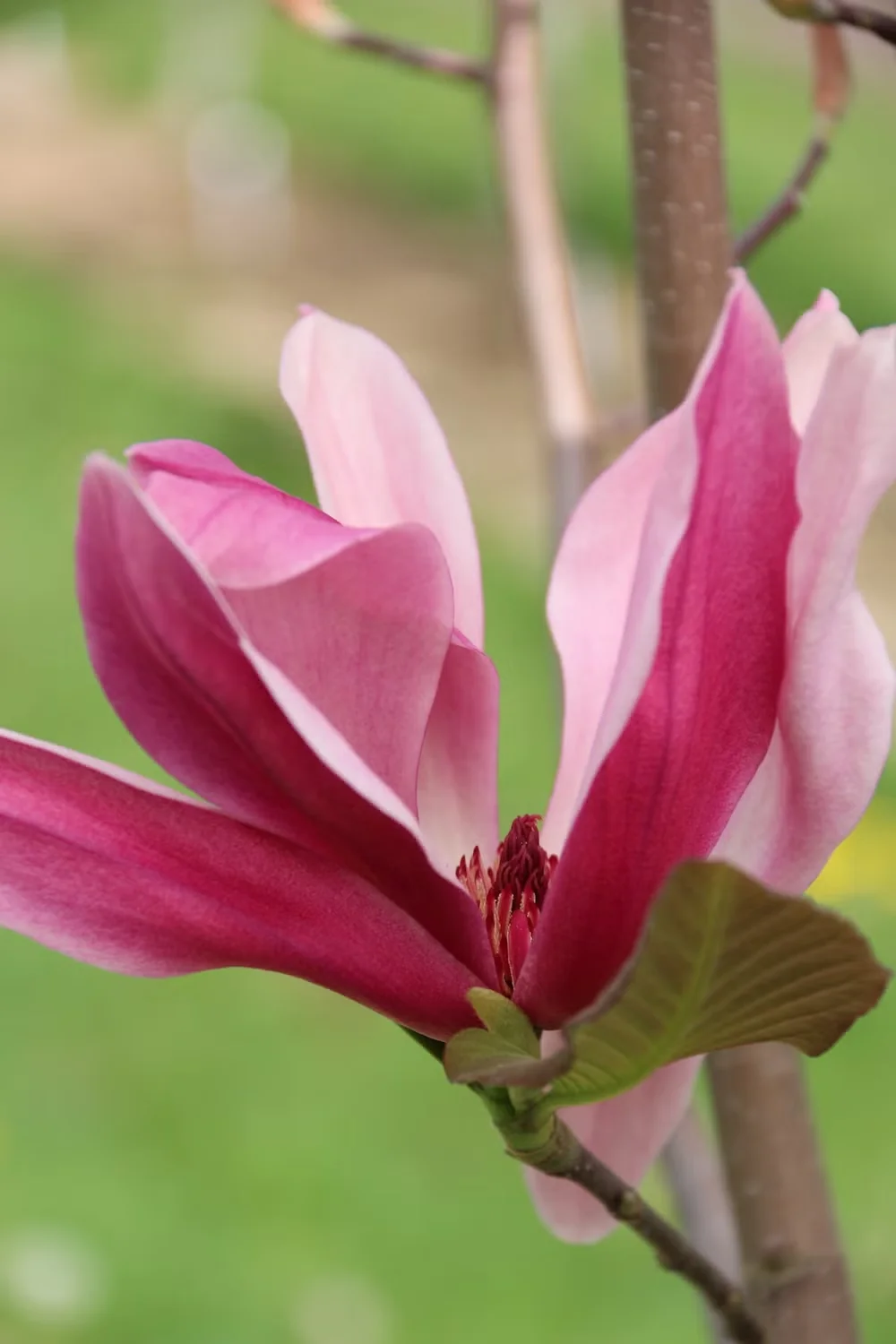
Spring magnolia season is always a highlight of the gardening year, no matter where you live. Saucer magnolias (M. x soulangeana) have been called “the queen of magnolias” for good reason — they're absolutely stunning in the spring landscape. But a new hybrid from Tom Ranney's breeding program matches the saucer magnolia's flower power. Named M. Mercury ('NCMX1'), it's an upright, 25-foot-tall tree with a 15-foot-wide oval canopy. Hardy in Zones 5 through 8, it blooms later in spring than many saucer magnolias, which means less risk of frost wiping out the flowers. The large, bubble gum–pink flowers smell wonderful. Mercury works beautifully as a single specimen, but it's equally effective in a group planting.
Over the last few decades, there's been a real push to develop magnolias that can survive some of the coldest parts of the country. You can see that effort in the dozens of cultivars available today that came from Dennis Ledvina's hybridization work. The Green Bay Botanical Garden in Wisconsin showcases many of these outstanding picks and other trees from Dennis's collection, which he generously shared with the garden. Dennis's dream was to take the most ornamental cultivars that thrive in Zones 6, 7, and 8 and create similar magnolias that could survive his state's brutal Zones 4 and 5 winters.
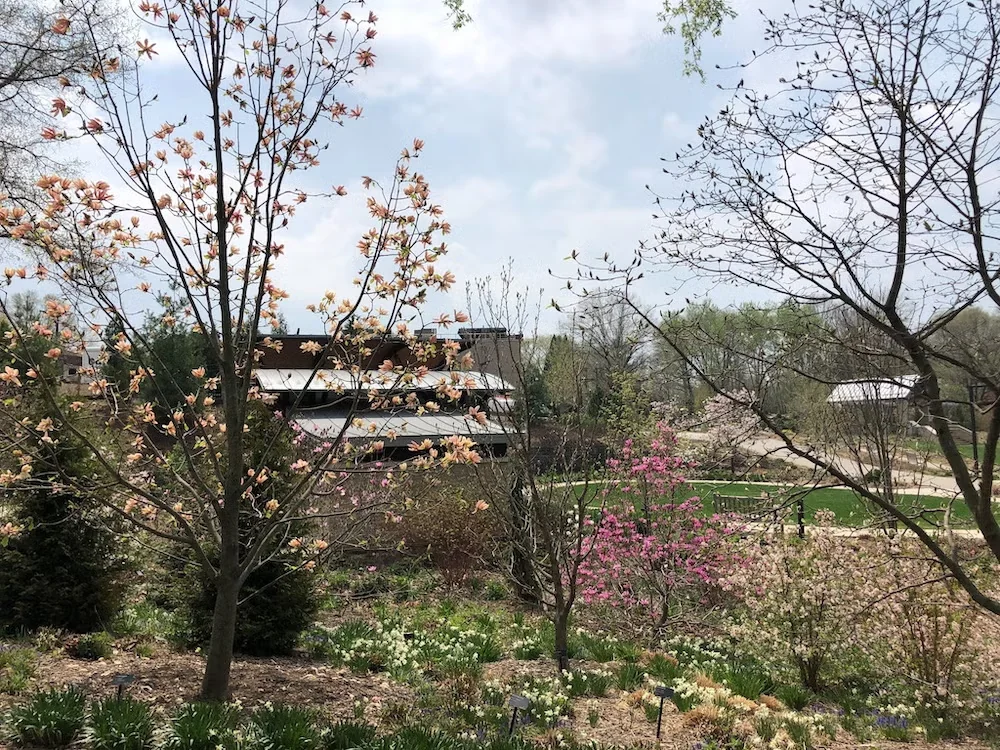
Among the Ledvina hybrids, the well-known 'Rose Marie' (Zones 5–8) is a late and long bloomer in two shades of pink — bright on the outside, lighter inside — which Dennis named after his mother. It can flower for six weeks and stays under 20 feet. 'Royal Splendor' offers a similar show from an early age. This hybrid and the deep rose 'Red Baron' are hardy to Zone 4, as is 'Golden Rain', a yellow-flowered pick with nicely upright branches. 'Sunset Swirl' blends shades of pink and yellow in its tepals that open into a pinwheel shape in late spring.
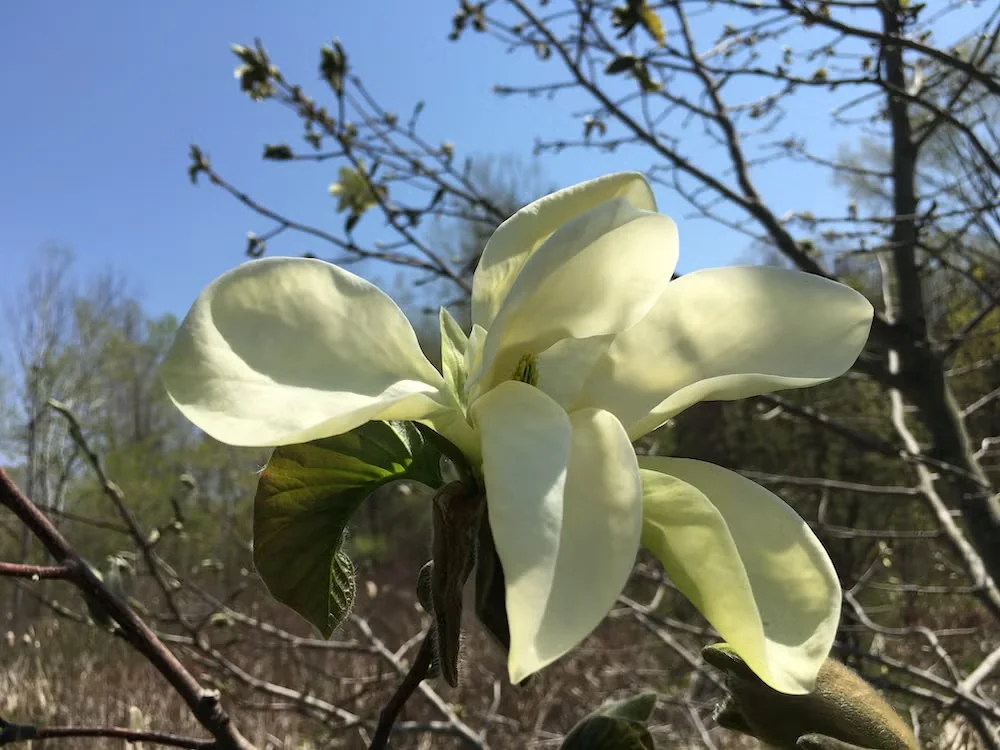
One of Dennis's most fascinating introductions, 'Exotic Star', is a hybrid of M. grandiflora and M. sieboldii. His goal was to create a magnolia that combined the best of the southern magnolia — glossy evergreen leaves, large fragrant white flowers — with hardiness down to Zone 5 or 6. The M. sieboldii parent brings serious cold tolerance, but 'Exotic Star' still needs more work and testing. Dennis passed away in 2015, but his hybrids continue to be named and developed.
For really extreme winters, Todd West at North Dakota State University came up with M. x loebneri Spring Welcome ('Ruth'). Reaching 20 feet tall and wide, this spring-flowering magnolia has proven hardy in Zones 3 and 4 — and it can grow in climates as warm as Zone 8 too. The flowers come out in profusion, each with 11 to 13 tepals that emerge pure white from frost-proof pink buds. It's actually outperformed other M. x loebneri cultivars in Zone 4 trials.
Scaled-down evergreen magnolias
Lately there's also been a continued push to expand the options among evergreen magnolias as ornamental picks. The most widely grown magnolia in the world is M. grandiflora, beloved for its leathery leaves and those large, fragrant, cream-colored flowers. I've seen it planted all over Europe and China, and even used as a street tree in Colombia. Here in the US, it's everywhere in the Southeast and a go-to evergreen on the West Coast.
The species can reach over 50 feet tall with a broad crown, but what's really catching on lately are a handful of compact selections, including 'Kay Parris' — believed to be a cross between the larger 'Bracken's Brown Beauty' and 'Little Gem'. 'Kay Parris' grows to 18 to 20 feet tall at maturity, with an upright, pyramidal habit. It's honestly the perfect evergreen for a small garden or courtyard in Zones 6 through 9.
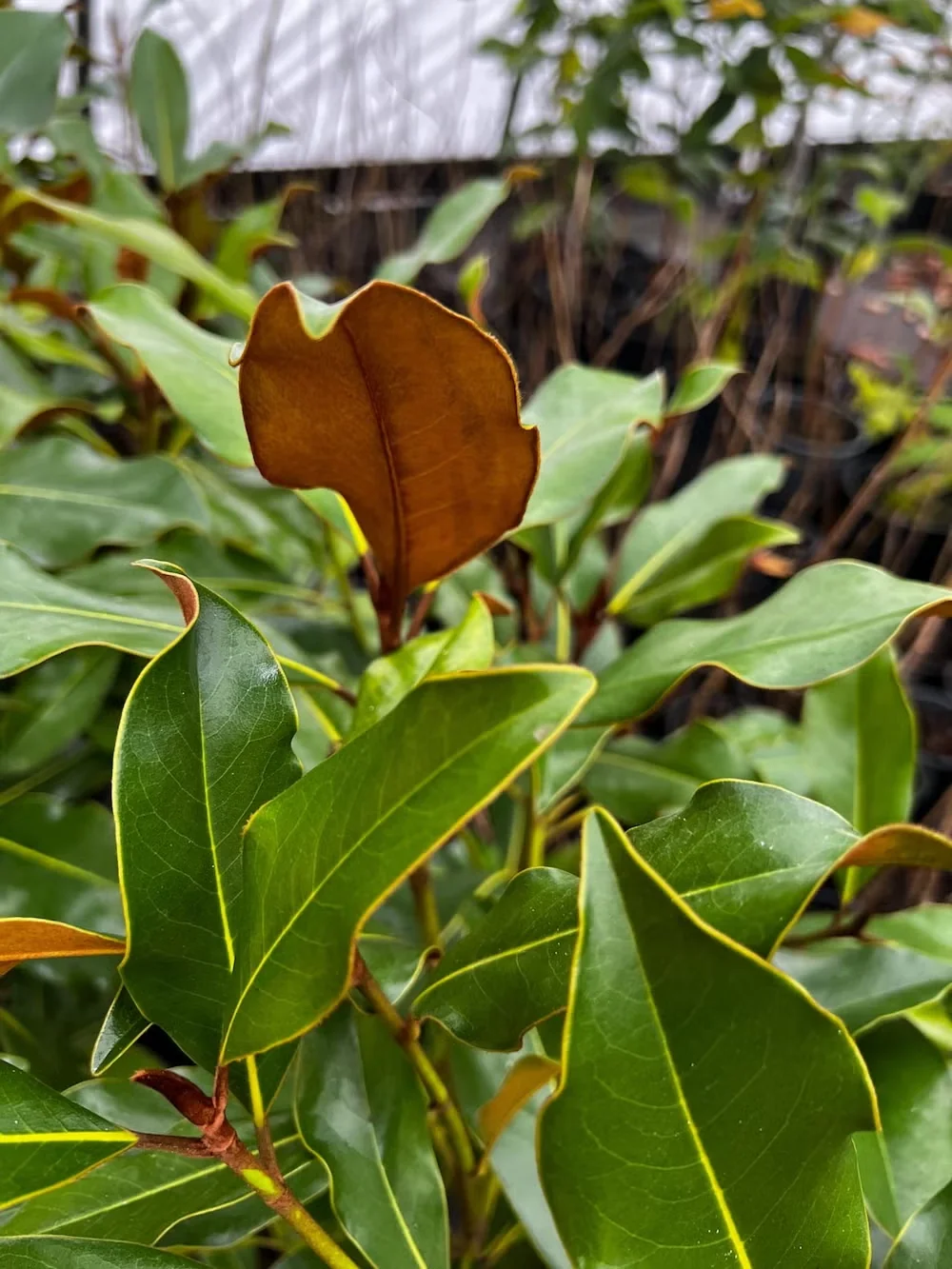
Teddy Bear ('Southern Charm'), a Garden Debut introduction for Zones 7 through 9, eventually reaches 15 to 20 feet tall and 8 to 10 feet wide. It's known for round leaves with a distinctive rich brown fuzz on their undersides. (Read more about Teddy Bear.) Even smaller is Baby Grand ('STRgra'), topping out at just 8 to 10 feet tall and 7 feet wide. It has attractive brown buds and a hint of tan on the leaf's reverse, thriving in Zones 8 through 11.
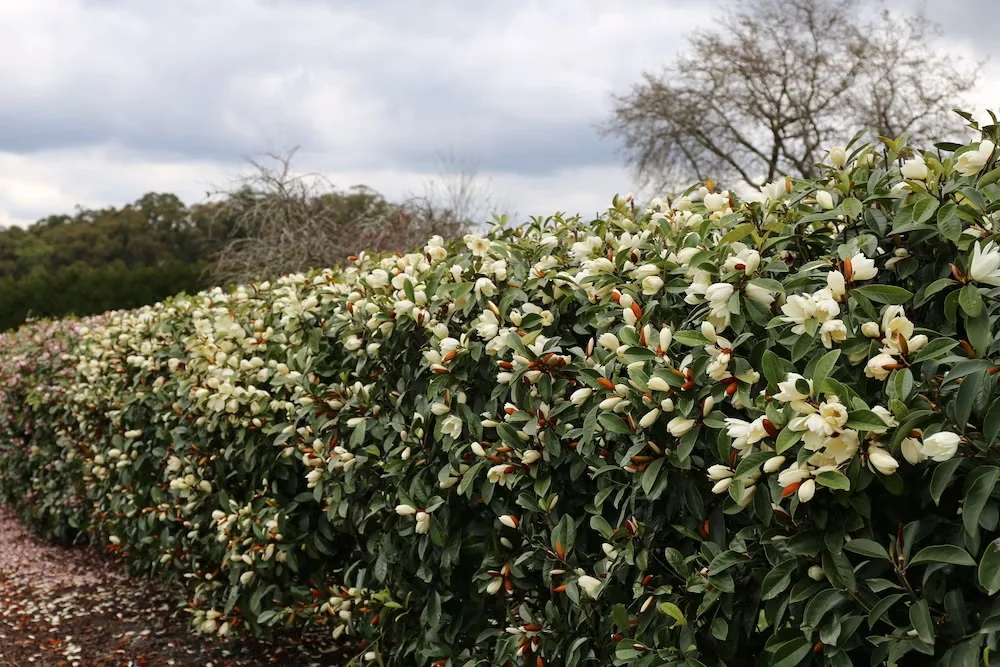
The Fairy Magnolia series, bred by Mark Jury of New Zealand, is really gaining popularity here in the States. There are three selections — Fairy Cream ('Micjur02'), Fairy Blush ('Micjur01'), and Fairy White ('Micjur05') — and their names tell you the flower colors. These plants are a complex hybrid of different evergreen species: M. figo x (M. doltsopa x M. yuyuanensis). The result is evergreen and shrublike, growing 9 to 12 feet tall and 5 to 7 feet wide. Fragrant flowers line the stems in late spring, with occasional summer reblooms. Hardy in Zones 7b through 11, they bring another evergreen magnolia option to the Southeast and West, but could also work nicely in Washington DC, Baltimore, and Philadelphia.
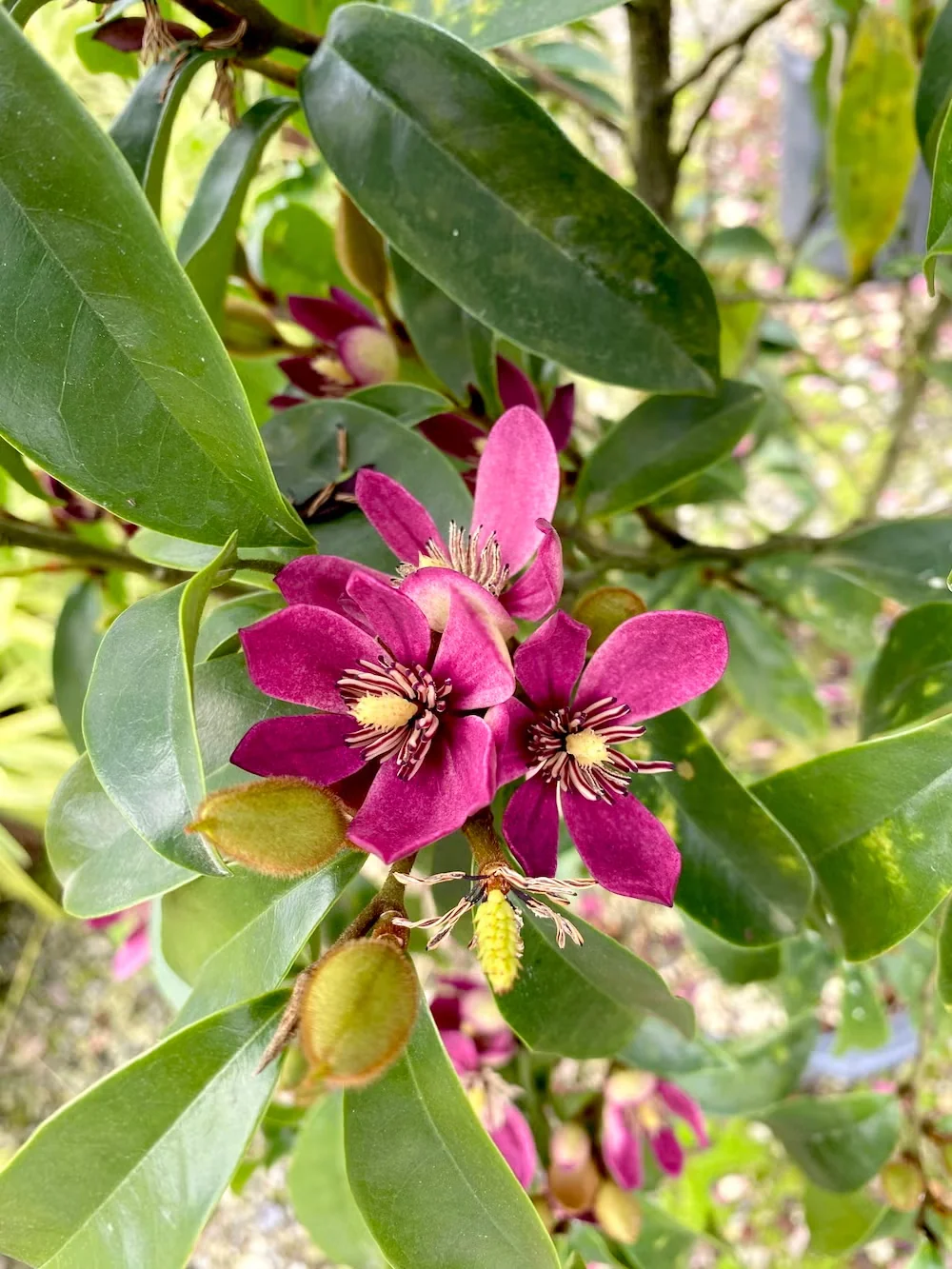
Magnolia figo shows up in some other recent introductions too. There's M. figo var. crassipes 'Royal Robes', which has a similar size to the Fairy magnolias and tons of purple flowers. 'Stellar Ruby', an M. figo selection by magnolia hybridizer Pat McCracken, is part of the Southern Living Plants Collection. At maturity it reaches 10 to 15 feet tall with a spread of 6 to 8 feet. Deep burgundy-purple, fragrant flowers cover this columnar tree in late spring. It's hardy in Zones 7 through 9.
Magnolias have been a landscape favorite for well over a century, and they're not done exciting us yet. With breeders creating complex hybrids using new species brought back from expeditions to Vietnam, China, and beyond, we're going to see even more evergreen options hit the market. The holy grail in the magnolia world is still a true red magnolia — and it's undoubtedly on the horizon.
Image credits: Magnolia Grove (Teresa Riehl) and 'Golden Rain' courtesy of Green Bay Botanical Garden. Mercury courtesy of J. Frank Schmidt & Son, Co. 'Kay Parris' by Megan Hansen/CC BY SA 2.0 Deed. Fairy Cream courtesy of Anthony Tesselaar Plants. Stellar Ruby courtesy of Southern Living Plant Collection.