“Isn't it wild how the simple stuff we loved as kids ends up opening up entire worlds of meaning as we get older? Take blueberries, for instance.”
Dahlia rosea
Grow Blueberries and Their Relatives to Benefit the Garden and Your Health
Isn't it wild how the simple stuff we loved as kids ends up opening up entire worlds of meaning as we get older? Take blueberries, for instance.
They were a total treat when I was five — something Mom would bring home from the King Kullen grocery store to our tidy little neighborhood on Long Island's north shore. But then, when I was eight, my parents packed us up and moved the whole family out to the wilds of the Pocono Mountains in Pennsylvania.
Not long after we moved in, I was lying in bed one night watching fire sweep across the slopes of Blue Mountain, about two miles from our house. I was convinced it was a disaster, but my dad set me straight — he explained that the locals actually set those fires on purpose. They burned off the underbrush and scrubby trees so more sunlight could reach the ground and get the wild blueberries growing, which brought in money for the community.
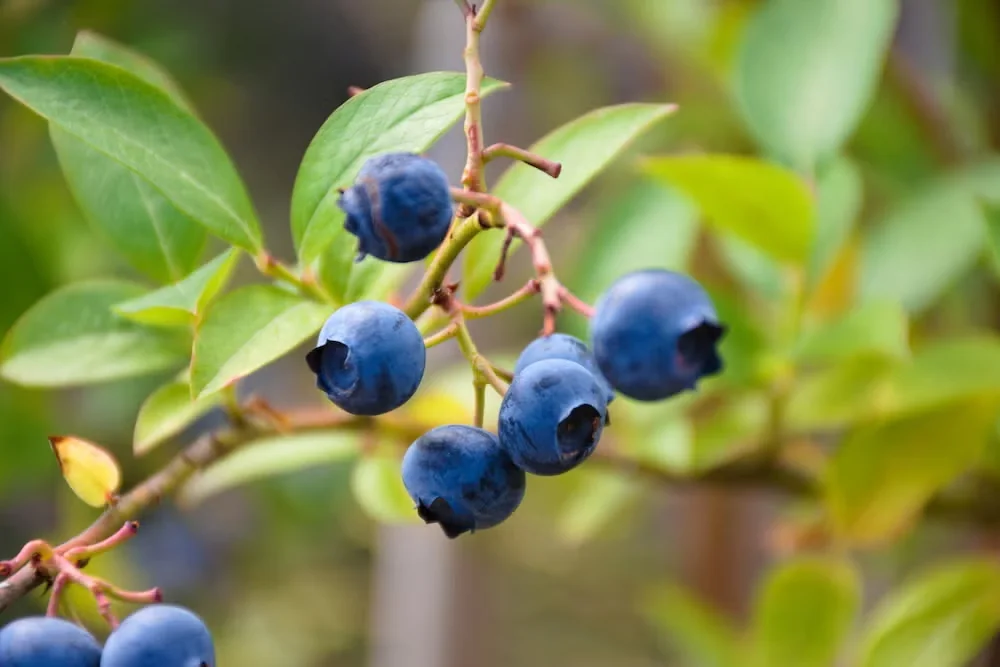
Later on in high school biology, our teacher told us that commercial blueberries were actually developed in the early 20th century from wild species growing in the marshy lands of the Pocono Plateau and the southern New Jersey pine barrens. The Pennsylvania species was mostly the high-bush blueberry, Vaccinium corymbosum, which can shoot up to seven feet tall, while over in the poor sandy soils of southern New Jersey, it was mostly low-bush blueberries — V. pallidum or V. angustifolium — staying compact at 18 to 30 inches.
Since those wild species entered the commercial world, breeders have come up with tons of crosses between high-bush and low-bush types, generally called half-high blueberries, plus heat-tolerant rabbiteye blueberries (Vaccinium virgatum) that thrive in southern states. There are hundreds of named varieties descended from native North American species, and thousands more around the globe. And that's just blueberries alone!
Blueberries' tastiest cousins
As a teenager tramping through the woods and fields of eastern Pennsylvania, I figured out that summer always meant sweet fruit there for the picking — especially the huckleberries growing along the ridgetops on the Appalachian Trail. As much as I loved blueberries, I honestly preferred the huckleberries (Gaylussacia brachycera). Their flavor was just more intense, and the sweetness? Unmatched.
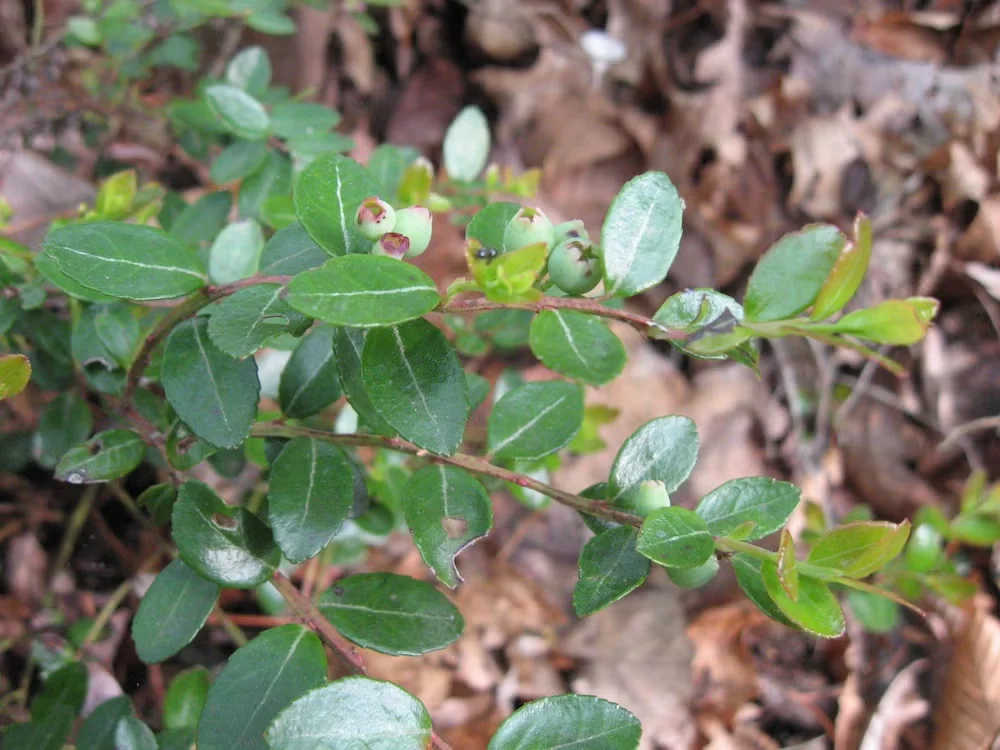
If that genus name rings a faint bell, here's why — the plant is named after Joseph Louis Gay-Lussac (1778–1850), the French chemist we all remember from high school chemistry for his law about how gas volume increases with temperature at constant pressure. Oh, and he also figured out that water is two parts hydrogen and one part oxygen by volume. And discovered boron, too. Busy guy!
These days, botanists are still split on whether huckleberries are really just a type of vaccinium or deserve their own genus entirely. Whatever the experts finally decide, huckleberries made exploring the wilds of Appalachia an absolute blast — and delicious, too. I only ever had huckleberry pie once in my life, but I've never stopped craving another slice.
When I moved out to California in 1985, I kept wandering through the woods and stumbled on this tall, rangy evergreen understory plant (Vaccinium ovatum) with dark blue-black berries that the locals called huckleberries. Then I found another one (V. membranaceum) with equally delicious fruit — also called huckleberries! Both grow from northern California all the way up into western Canada.
Back East, where melting glaciers at the end of the last Ice Age carved out bogs from Cape Cod to the wetlands around the Great Lakes, native cranberries (V. macrocarpon) have always grown. And honestly, what's Thanksgiving turkey without cranberry sauce? The whole cranberry-with-turkey tradition goes all the way back to colonial New England, where wild turkeys roamed the woods and cranberries grew naturally in those ancient glacial depressions.
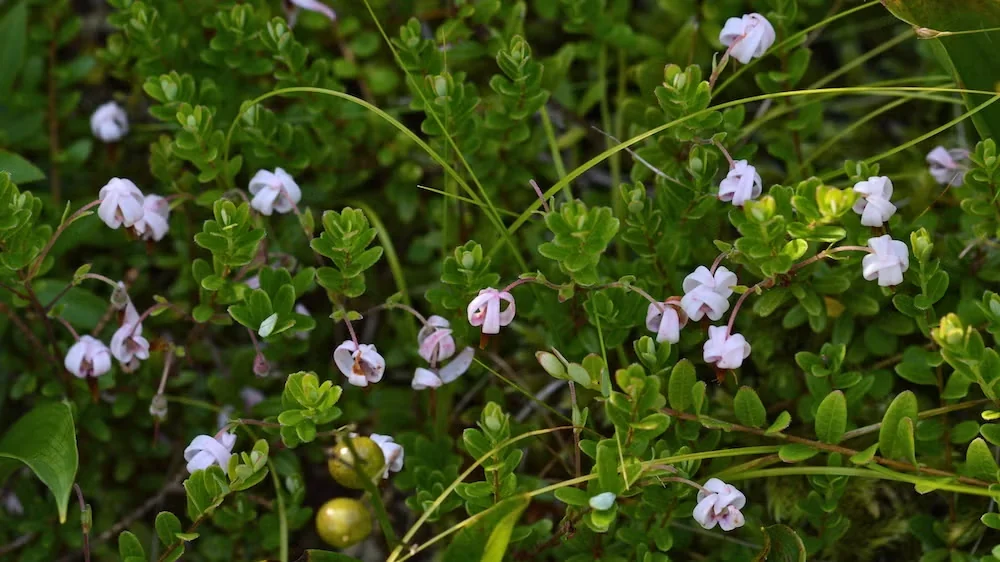
Beyond just cutting through the richness of turkey and stuffing, those sour-tart berries are actually little health powerhouses. The juice contains compounds that stop bacteria from sticking to urinary tract cells, and if you drink it regularly, it's become a go-to way to ward off urinary tract infections. Research has also shown that cranberry juice fights the bacteria in your mouth that cause tooth decay and gum disease. Pretty impressive for something that tastes so tart!
Health benefits of the blueberry genus
And that's really just scratching the surface of what the genus Vaccinium can do for your health. Besides blueberries, huckleberries, and cranberries, this family also includes bilberries, lingonberries, and over 4,250 other wild species found around the world. They're all part of the Ericaceae family, commonly known as heaths. These plants are some of the absolute best sources of bioactive and nutritional compounds out there. Bioactive compounds are, among other things, antioxidants — meaning they cruise through your bloodstream, rounding up and neutralizing the health threats posed by free oxygen radicals.
So here's what happens: through normal metabolic processes in our bodies, some oxygen atoms break free from their tight molecular bond in the oxygen molecule (O2). The result? Lone wolf oxygen atoms roaming through your system, oxidizing and damaging your tissues as they go.
That's where the bioactive compounds from heath-family plants come to the rescue — they grab onto those free-roaming oxygen atoms and lock them down so they can't do any harm. These compounds are mostly phenolics (think phenolic acids, flavonoids, anthocyanins, flavonols, and tannins).
The benefits are seriously impressive. These compounds help prevent inflammatory disorders and cardiovascular diseases, and they have protective effects that lower cancer risk. They're antimicrobial, guard against diabetes, obesity, osteoporosis, and neurodegenerative diseases. The antimicrobial punch of vaccinium berries is especially noteworthy — they inhibit the growth of Helicobacter pylori in the stomach. For years, doctors thought stress caused stomach ulcers, but it turns out the real culprit is an H. pylori infection of the stomach lining.
Studies have also shown that bilberry extract fights off dangerous human pathogens like Clostridium difficile and Staphylococcus aureus, as well as Streptococcus pneumoniae. These little berries really punch above their weight.
As nutritional food, vacciniums bring a lot to the table — literally. Blueberries, for instance, pack one of the highest iron concentrations of any temperate fruit. Cranberries deliver nutritionally important amounts of magnesium, sulfur, potassium, calcium, phosphorus, and nitrogen, plus micronutrients like manganese, zinc, molybdenum, copper, and boron. Not bad for something that tastes so good!
Here's a fun fact from a Science News report in March 2024: the real secret behind a blueberry's blue color lies in the structure of its waxy coating. Blueberries, grapes, and some plums should technically look red because of their anthocyanins, but scientists at the University of Bristol in England discovered that the powdery-looking wax on these fruits contains nanostructures that scatter blue-to-violet wavelengths of light, making them appear blue to our eyes. When they took that wax off and dissolved it, it went totally transparent — but once they let it dry again, it went right back to looking blue. Nature is wild!
Blueberries and more in the garden
On top of everything else, vaccinium species and cultivars make fantastic landscape plants. Plant them about three feet apart and they work beautifully as hedges. You can also tuck them into beds and borders, where they'll reward you (and any visitors!) with fresh fruit. The low-bush types are wonderful as ground covers and create the perfect little berry-hunting spots for kids. And come fall, they put on quite a show — their leaves shift from orange to orange-red to fiery red-orange and even crimson.
To grow them successfully, there are a few things to keep in mind. First up, they love acidic soil — aim for a pH between 4.5 and 5.2. Get your soil tested before planting, and if you need to bring that pH down, work in rotting pine needles, peat, and some sulfur.
Blueberry bushes grow at a leisurely pace, and letting them fruit too early actually slows them down even more. Here's the hard part: remove any developing fruit for the first four years. I know, it feels brutal! But trust me — they'll repay your patience with much bigger harvests once they're properly established.
Once they're mature, you'll want to prune away up to three of the oldest canes each year — that's about a quarter of the whole plant. This keeps them pushing out heavy yields of fruit on fresh new wood each season. And here's another tip: plant more than one variety! They're partially self-incompatible, so growing a few different varieties will give you more — and bigger — berries.
For low-bush blueberries you're using as a ground cover, go ahead and chop them back with a lawn mower during winter. This stimulates fresh growth from the root crowns. In fact, that's exactly why those Pennsylvania locals were setting the mountains on fire when I was a kid — they let the fire do the pruning while the roots survived underground. Pretty clever, right?