“If someone asked me what shrub to plant for garden structure, I'd probably say boxwood (Buxus) — and I wouldn't be alone. These beloved evergreens have been in cultivation for thousands of years,…”
Pulmonaria alpina
Garden Shrubs to Plant Instead of Boxwood
If someone asked me what shrub to plant for garden structure, I'd probably say boxwood (Buxus) — and I wouldn't be alone. These beloved evergreens have been in cultivation for thousands of years, going all the way back to the Egyptians. But here's the thing: for over a decade now, a fungal disease called boxwood blight has been sweeping across the US, wiping out boxwoods left and right and forcing those of us who love them to start looking for alternatives.
The good news? We've got a ton of options that can fill that boxwood-shaped hole in our gardens — including some boxwood varieties that actually resist the disease. Let's dive into some plants that can play the same role as boxwood while bringing extra perks to the garden. A lot of these are geared toward warmer climates, but there are some Northern-friendly picks too.
Hardy in USDA Zones 7 through 9, distylium cultivars have quickly become the go-to evergreen replacement for disease-prone shrubs in warmer parts of the country. And honestly, it's no surprise — distylium ticks so many boxes: shade tolerance, drought tolerance, deer resistance, design versatility, and gorgeous dark green foliage. What's not to love?
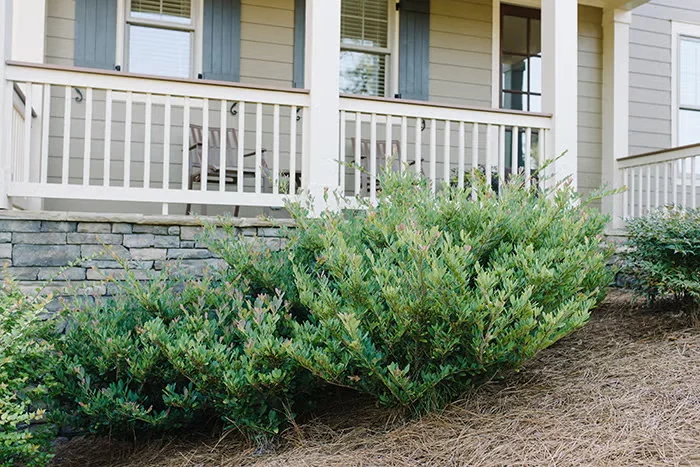
Within this genus, there are several varieties that can fill both large and small garden spaces. One standout is First Editions Cinnamon Girl (D. 'PIIDIST-V'), which pushes out plum-purple new growth that shifts to blue-green as the leaves mature. With its rounded, spreading habit, it's a beauty for warm-region landscapes.
Need something tough and salt-tolerant? Coastal-native bayberry (Myrica pensylvanica; Zones 3–8) has got you covered with its attractive structure and foliage that can be semi-evergreen in warmer zones. It's a multiseason star — leathery gray-green leaves, and if you've got a female plant near a male pollenizer, you'll get these really cool clusters of blue-gray fruit that hang on through winter and attract birds. It typically grows five to six feet tall, but in ideal conditions it can push to ten feet.
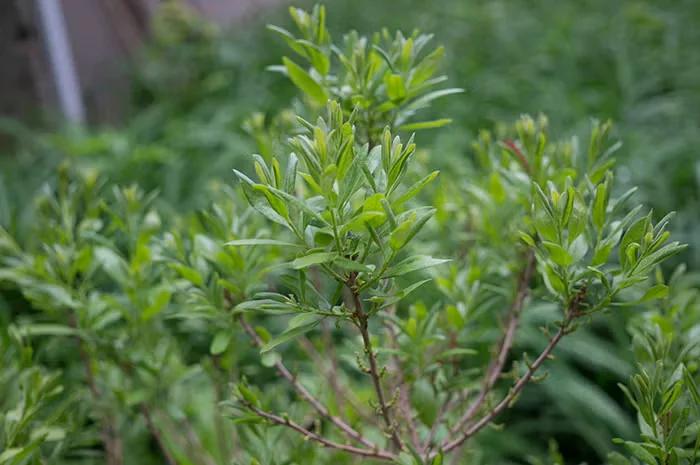
You won't see a ton of named selections at the garden center, but there's a female clone called 'Morton' that was recently developed at the Morton Arboretum in Illinois. It's more compact than the species and makes a really nice pick for group plantings.
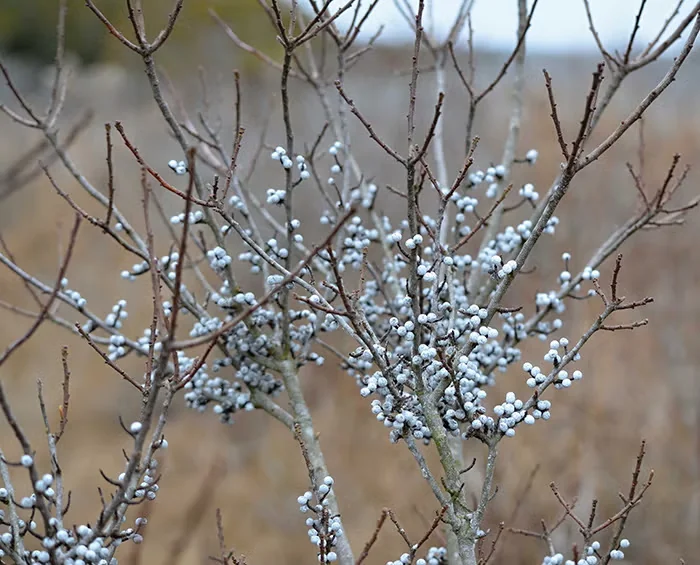
With its dark green foliage and rounded, spreading habit, pittosporum is a real favorite among gardeners in warm coastal areas. The species (Pittosporum tobira; Zones 8–11) can grow up to 12 feet tall, but the dwarf varieties stay under 4 feet — much more manageable!
'Wheeler's Dwarf' isn't quite as hardy as some, but it's a go-to for that gorgeous glossy green foliage. It tops out at three feet tall and four feet wide — just the right size for along sidewalks or at the front of a shrub border.
Next up: Chinese Fringe Flower
Looking for colorful blooms and foliage? Chinese fringe flower (Loropetalum chinensis; Zones 7–9) might be just what you need. Gardeners in the US have been putting this broadleaf evergreen to work since the 1800s, and it's easy to see why. They range from 3 to 20 feet tall and wide, and those bright pink spring flowers really pop against the foliage.
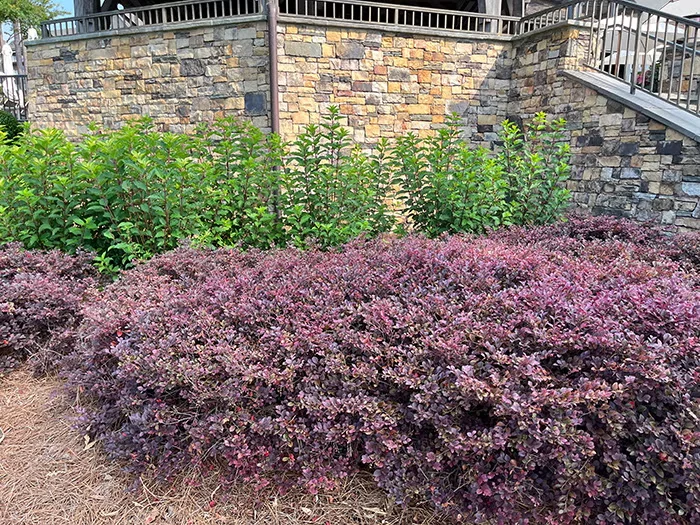
Since not all of us have room for a 20-foot shrub, consider a compact variety like First Editions Crimson Fire (L. c. var. rubrum 'PIILC-I'), which stays a tidy three to four feet tall. It shows off red foliage that backs up those gorgeous spring blooms beautifully.
The Southeast native Yaupon holly (Ilex vomitoria; Zones 7–10) is a real standout with its distinct mounded habit, drought tolerance, and disease resistance. New growth pops out on smoky purple stems in spring before maturing to glossy evergreen foliage — such a nice touch.
A popular cultivar is 'Nana,' which was developed from seedlings discovered in Louisiana. It grows three to five feet tall and you'll often see it used as a small hedge or tucked into a border. These dwarf types put on about three to five inches of growth per year — you might need a little pruning and shaping, but nothing too crazy.
Small, round arborvitae varieties (Thuja; Zones 4–8) give you all the beauty of the big guys but with way more versatility. Tuck them along sidewalks and foundations, place them in borders, or scatter them around the garden — they're that flexible. With options ranging from small and round to more upright, and from deep green to more colorful, there's honestly a type for every taste.
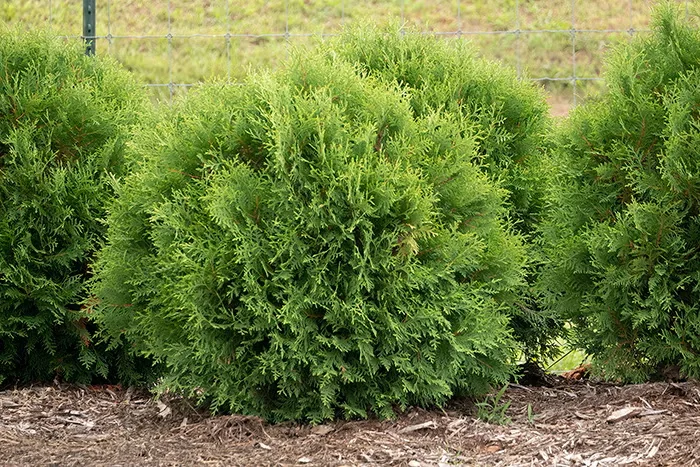
A personal favorite of mine is First Editions Planet Earth (T. occidentalis 'RUTTHU4') — it holds this perfect, dense, rounded shape without any shearing at all. Bonus: it's resistant to Passalora/Cercospora needle blight and handles both cold and warm climates like a champ. And during those cold winters, the green foliage takes on this handsome bronze tone that's just lovely.
Yew (Taxus) might not be the new kid on the block, but it's still a rock-solid choice for gardeners in both cold and warm regions. In Zones 4 through 7, the foundation yew (T. x media) delivers evergreen foliage and a tidy shape that looks fantastic along foundations and paths. 'Tauntonii' remains a popular pick — it's got a low, spreading habit that stays dense and resists winter burn like a pro.
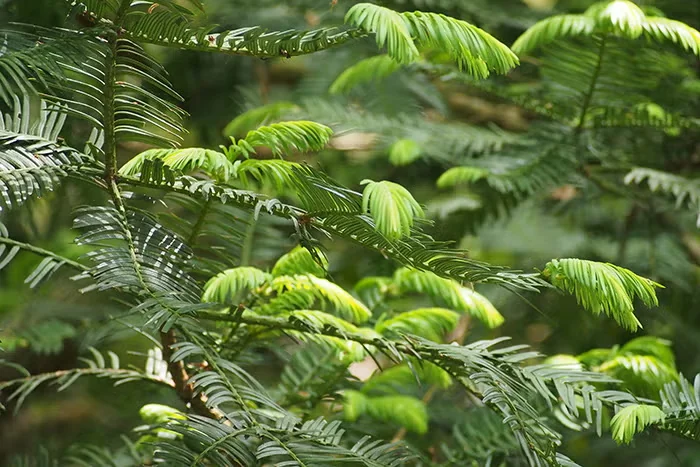
If you're gardening in Zones 6 through 9, plum yew (Cephalotaxus harringtonia) gives you a similar look while handling heat and humidity like a champ. 'Duke Gardens' is a compact cultivar that grows slowly and keeps a dense habit. And the great thing is, both regular yew and plum yew take well to pruning, so if they start getting out of hand, it's easy to rein them in.
Gardenias (Zones 7–9) are true classics — they've been a staple of Southern landscapes for centuries, and for good reason. Beyond their beautiful green foliage, they treat you to pure white blooms and that incredible fragrance all summer long.
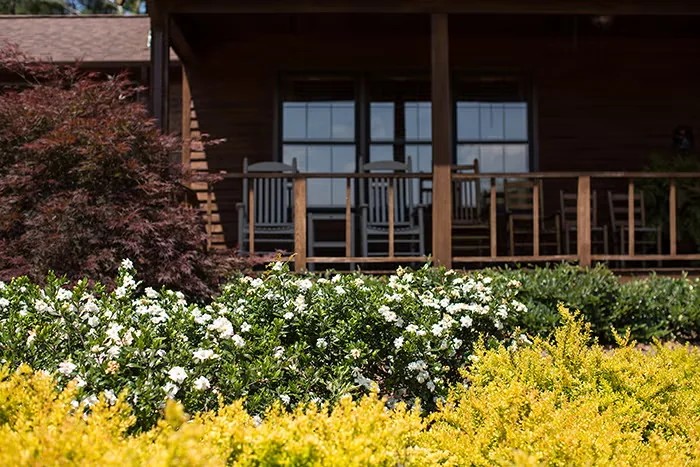
With so many gardenia varieties out there, picking just one can feel overwhelming. If you want repeat blooms, check out First Editions Double Mint — it stays compact and pumps out double blooms that keep delivering color and fragrance all summer long.
Image credits: Plum yew by harum.koh/CC BY-SA 2.0 DEED/Flickr.com; Bayberry leaves by rockerBOO/CC BY-SA 2.0 DEED/Flickr.com; Bayberry berries by AssateagueNPS/Public domain/Flickr.com; All others courtesy of First Editions Shrubs & Trees