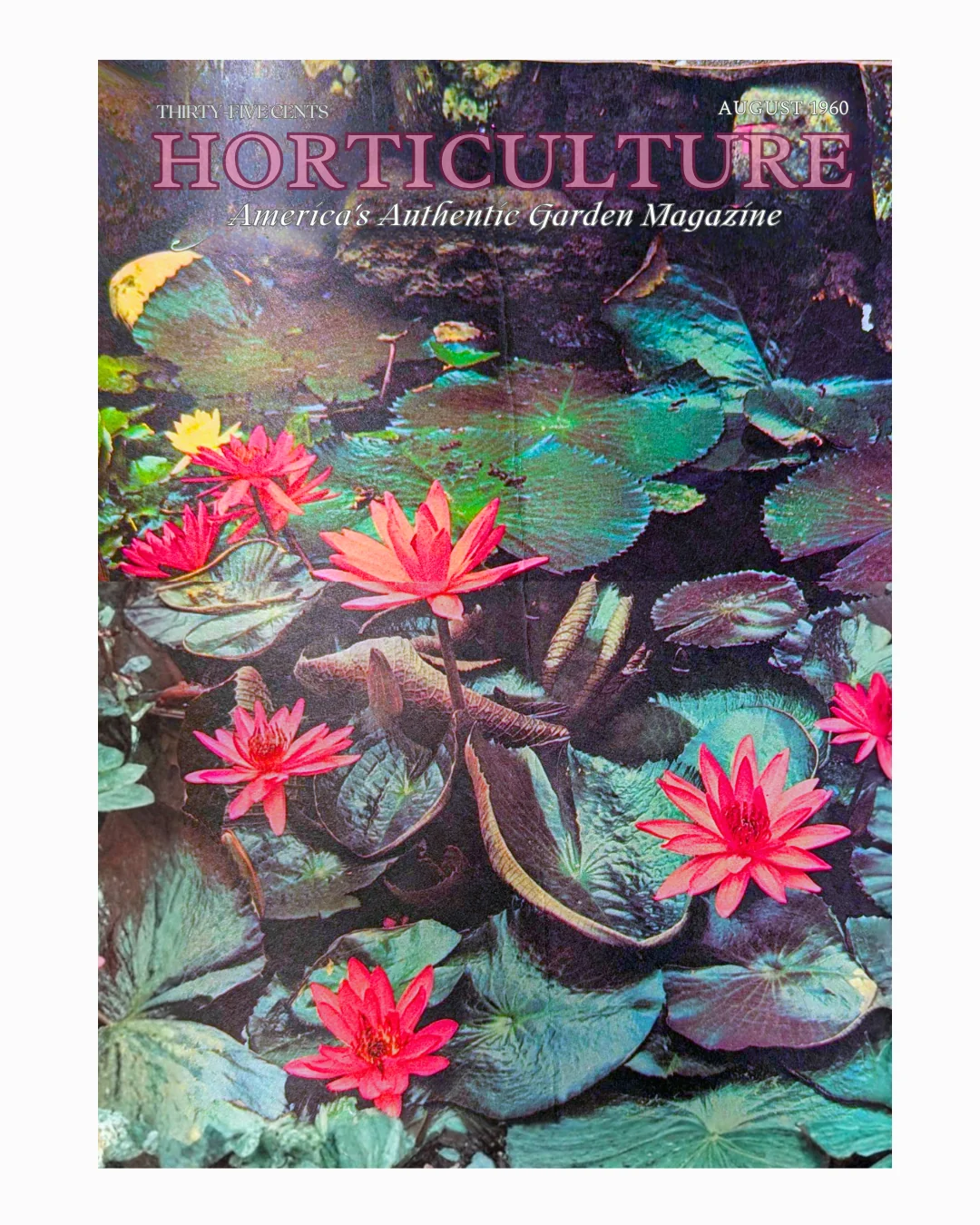
“Back in December 1904, the very first issues of Horticulture hit the presses, with five issues rolling out that month alone. At the time, it was a weekly go-to for professional florists, landscape…”
Carex lanceolata
Ferns Are Forever: Recommendations from Horticulture 1904
Back in December 1904, the very first issues of Horticulture hit the presses, with five issues rolling out that month alone. At the time, it was a weekly go-to for professional florists, landscape gardeners, nursery folks, greenhouse growers — basically anyone making a living with plants. Three of those first five issues featured articles on ferns, which honestly makes sense — ferns have always been a timeless pick for shady gardens or bringing life indoors. In a two-part series called "A Few Useful Ferns for Everyday Use," a writer named A. Hans set out to recommend ferns for apartment dwellers. He pointed out that hardy, cool-loving species are your best bet indoors because "they do not like to be raised in too much heat." Funny enough, a lot of the ferns he suggested back then are now go-to picks for outdoor gardens.
5 timeless ferns
Here are some of the ferns that made Hans's list way back in 1904 — and they're still beloved woodland perennials today:
Holly ferns (Cyrtomium), especially C. falcatum, C. caryotideum, and C. fortuneii. If you live in the warmer side of their range (USDA Zones 6– or 7–10), these stay evergreen all year. They've got this cool vase shape, with upright fronds covered in broad, toothy leaflets. The species Hans mentioned? You'll still spot them in gardens today. One thing to keep in mind — Cyrtomium falcatum has naturalized and spread in parts of the Southeast U.S., so do check your local invasive plant list before putting it in the ground.
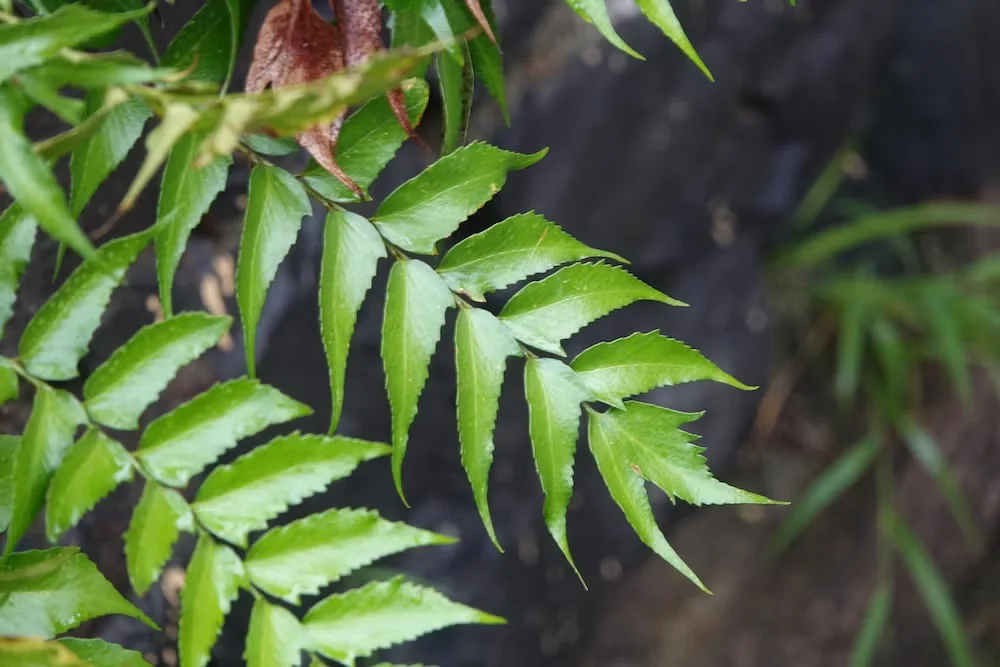
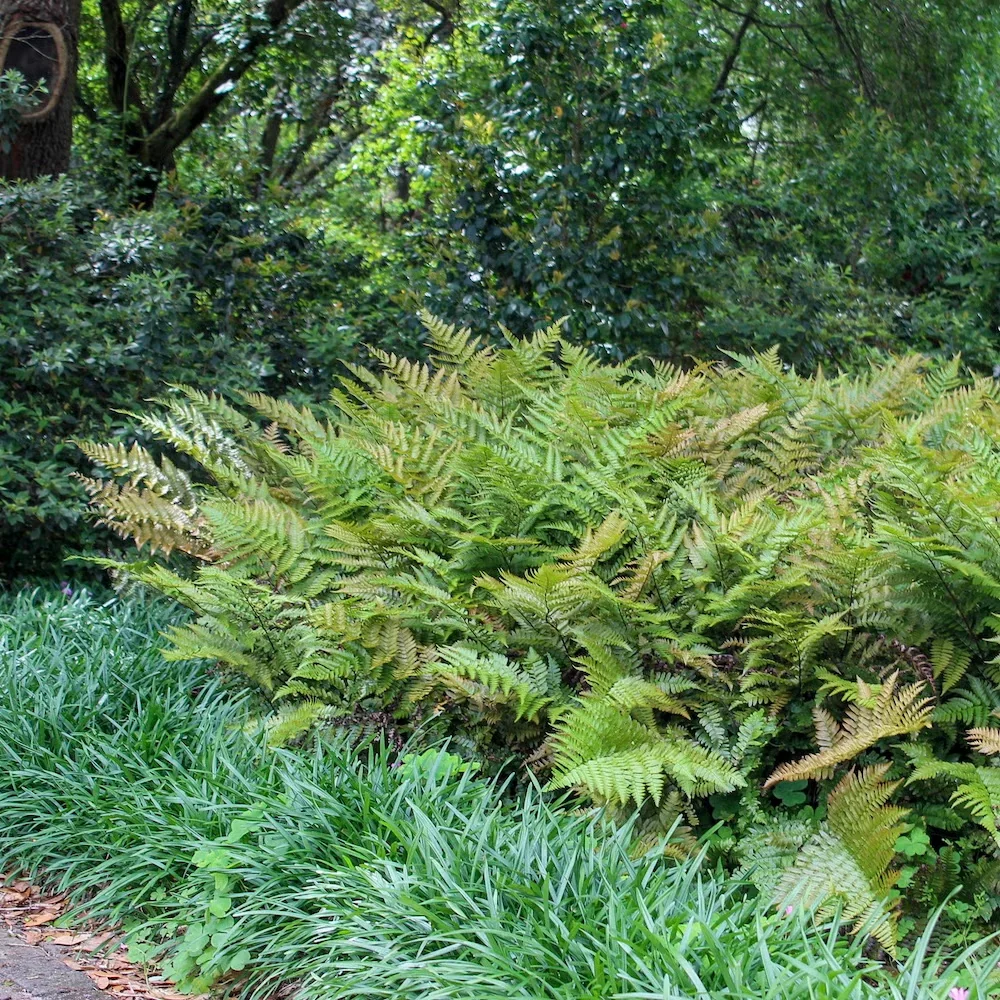
Autumn fern (Dryopteris erythrosora; known back in 1904 as Lastrea erythrosora). This little beauty has really won over modern shade gardeners in Zones 5 through 8, thanks to its compact size and gorgeous seasonal color — especially the popular cultivar 'Brilliance.'
If you've ever grown this one, you'll really appreciate how spot-on Hans's description was: "The fronds, two feet long by one wide, of triangular form, are bluntly divided, strong of texture and most beautiful when the young well-formed fronds, of a bronzy color, are growing out." He absolutely nailed it — those bronzy new fronds are the real show.
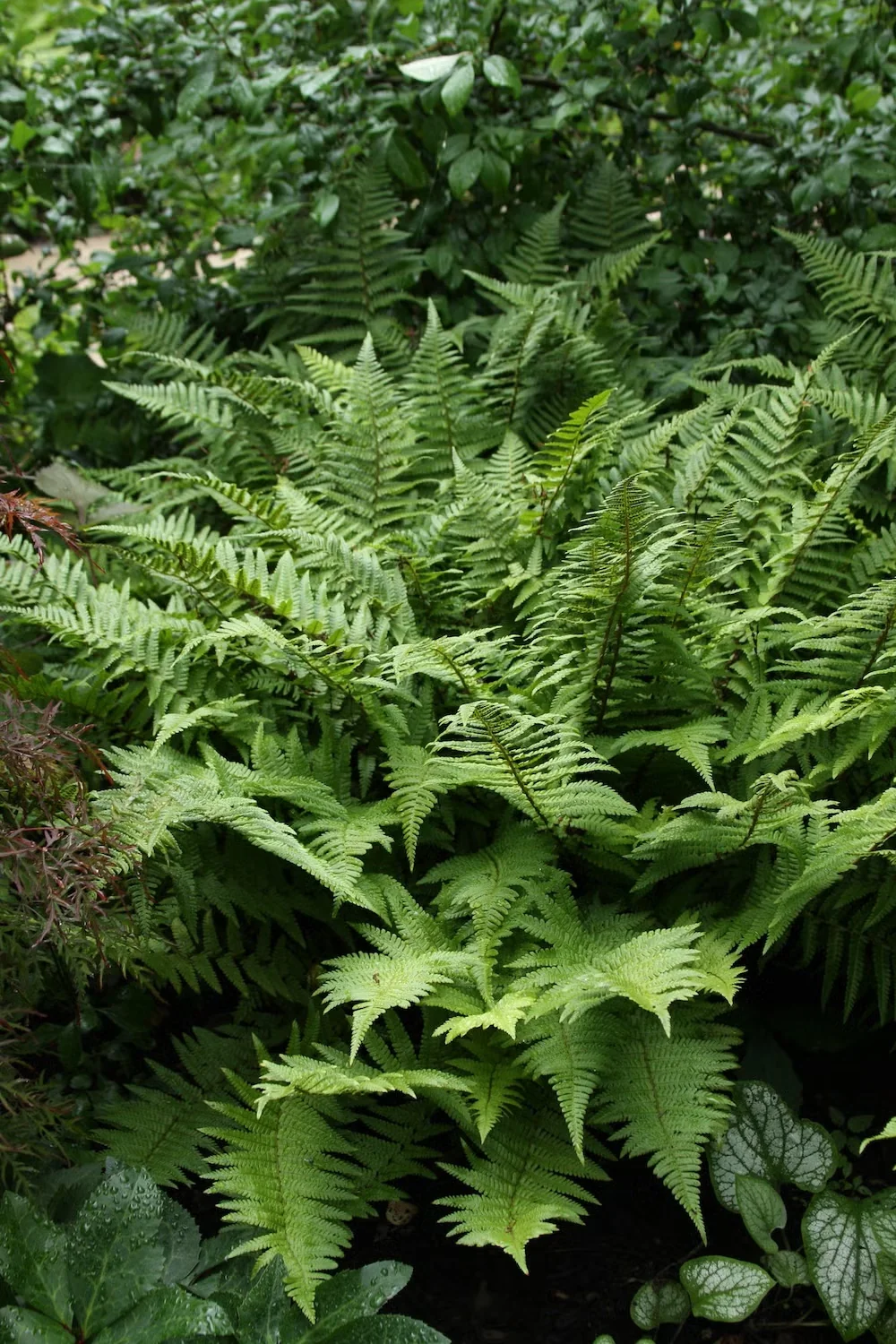
Soft shield fern (Polystichum setiferum) was predicted way back in 1904 to soon "be one of the most popular ferns for decorative purposes." And you know what? They called it — this beauty is super easy to find nowadays, whether you're planting it in the garden or tucking it into an outdoor container, with several cultivars to choose from. It stays evergreen where winters are mild, handles shade like a champ, and brings this lovely fine texture that just makes everything around it look better.
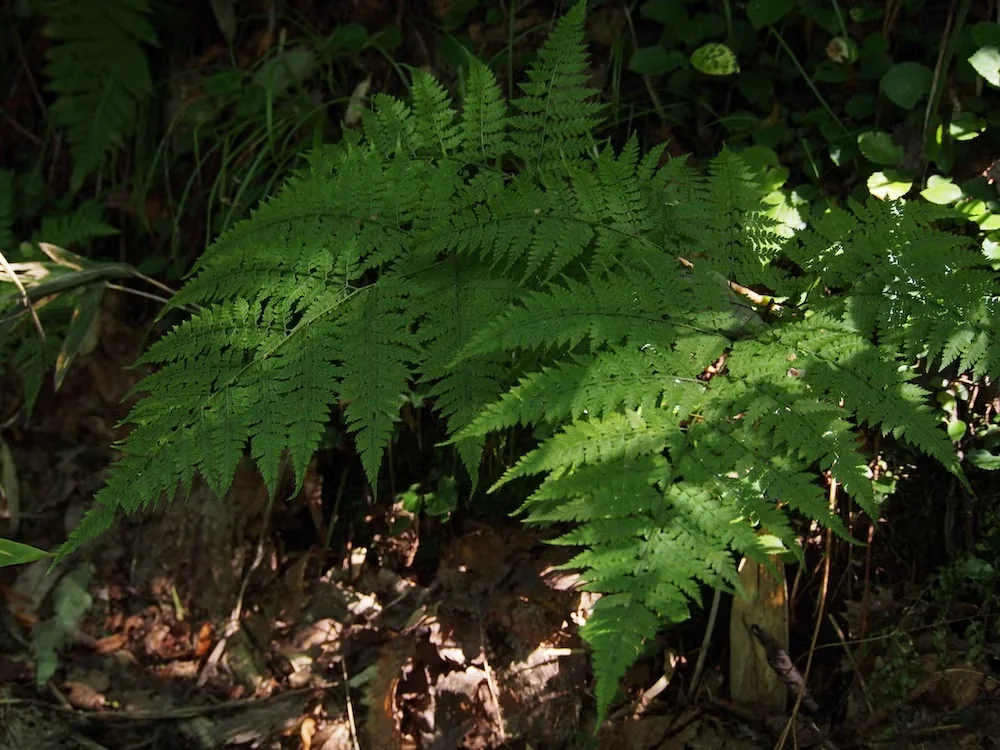
Upside-down fern (Arachniodes standishii; formerly Lastrea standishii) — this one's a bit harder to track down, but oh boy is it worth the hunt. True to its quirky name, the fronds look like they're flipped upside down, which gives the plant this amazing textural quality you don't see every day. It slowly forms a clump about three feet wide and half as tall, and even though it looks delicate and can be tough to find at the nursery, it's actually pretty easy to grow as long as you give it consistent moisture and bright shade. It holds onto its foliage well into winter across Zones 4–8.
Hard fern (Struthiopteris spicant, formerly Blechnum spicant and Lomaria spicant) — this one's a real trooper that handles deep shade without complaint. It's evergreen and hardy in Zones 5 through 8, so it's got you covered.
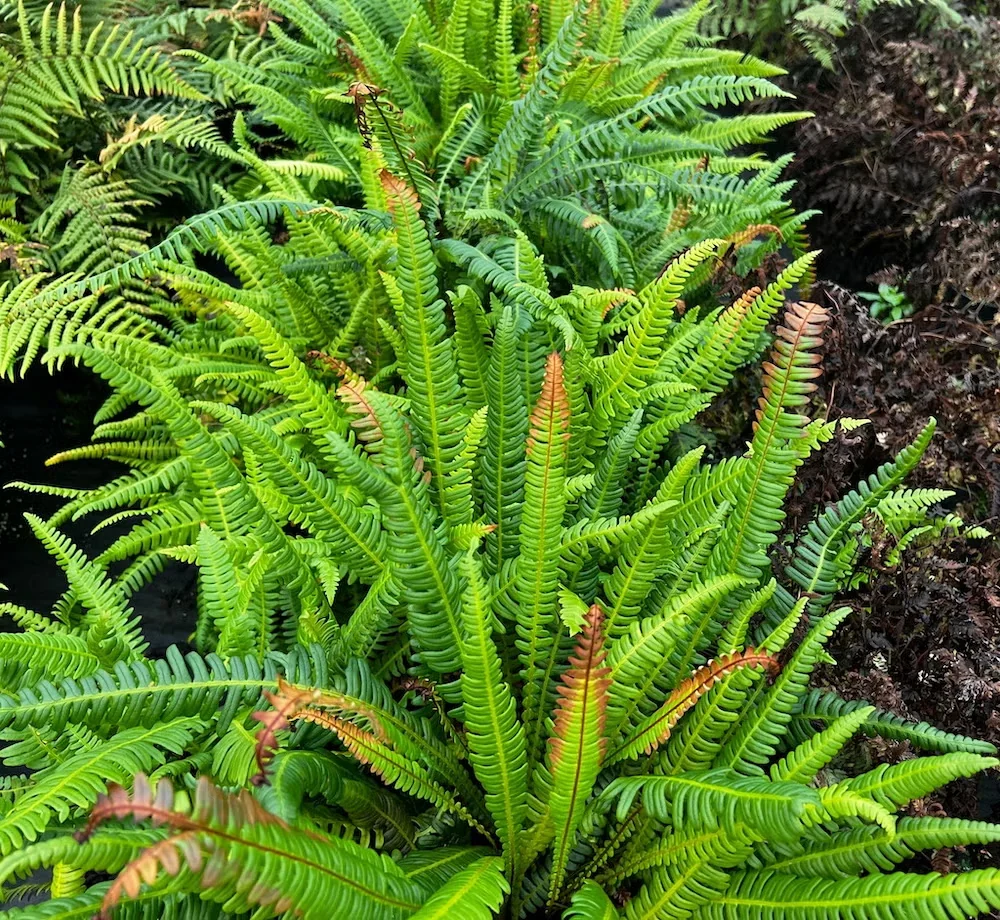
Image credits: Holly fern by German van Noord/CC BY-SA 2.0/Flickr.com; Autumn fern courtesy of Walters Gardens; Soft shield fern by Michelle Gervais; Upside-down fern by Harum.koh/CC BY-SA 2.0/Flickr.com; Hard fern by Megan Hansen/CC BY-SA 2.0/Flickr