“Recently, we talked about the keystone plants of Ecoregion 5, the Northern Forests, which blends right into the upper part of the Eastern Temperate Forest — that's Ecoregion 8. Up north, Ecoregion 8…”
Cornus chinensis
Ecoregion 8 and Its Keystone Plants
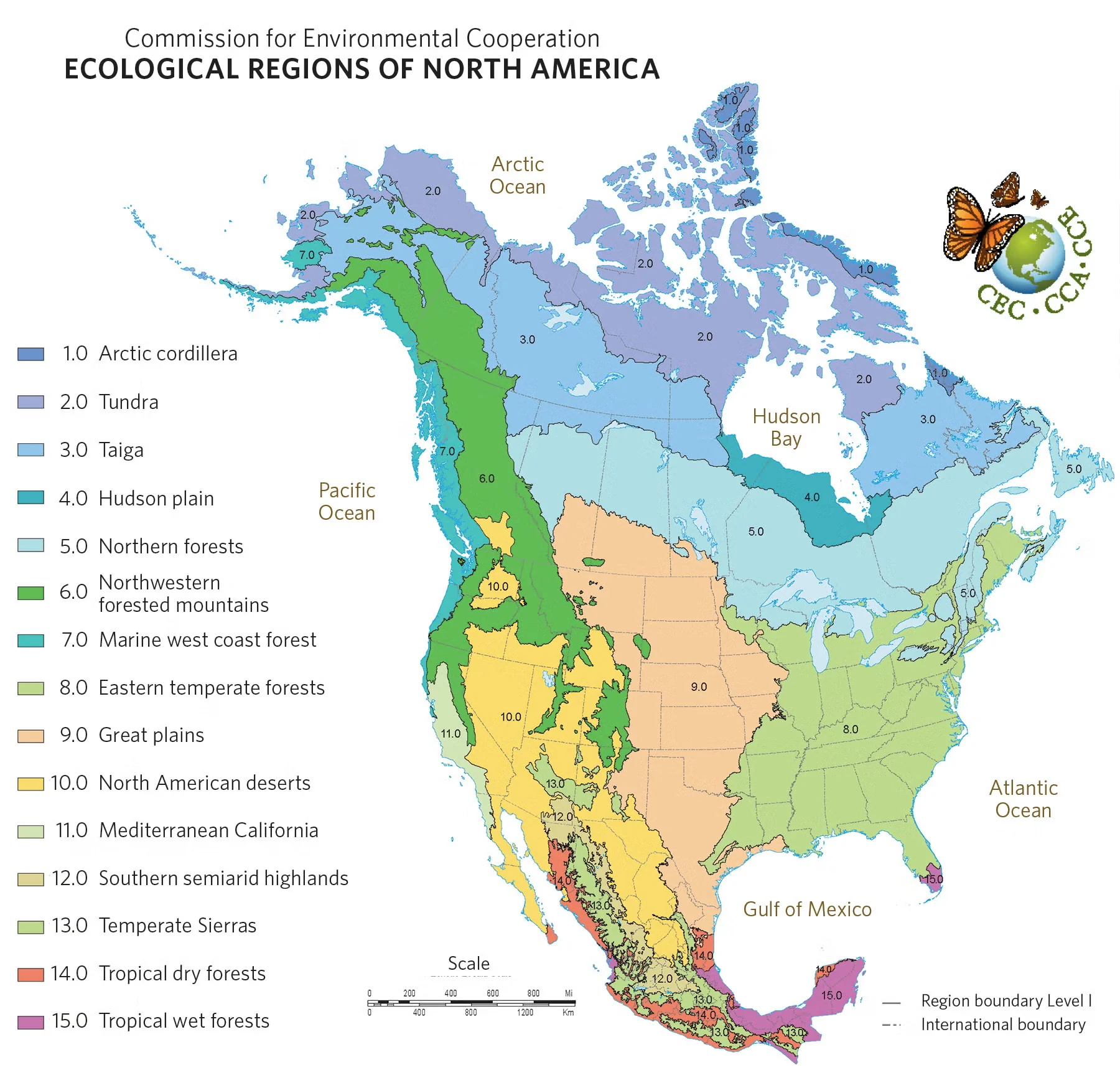
Recently, we talked about the keystone plants of Ecoregion 5, the Northern Forests, which blends right into the upper part of the Eastern Temperate Forest — that's Ecoregion 8. Up north, Ecoregion 8 stretches from the Mid-Atlantic states and southern New England, west through the Ohio Valley all the way to Wisconsin — roughly between the 40th and 45th parallels.
But that's only half the story. The other half of the Eastern Temperate Forest lies south of the 40th parallel — from Delaware out to Missouri, from Florida over to Louisiana, and everything in between. Basically: the South, which is every bit as ecologically unique as it is culturally. And that's what we're focusing on here.
Keystone plants support vital wildlife
This region's keystone plants include the trees, shrubs, and flowering perennials that draw in the most butterflies and moths — whose caterpillar babies are absolutely essential food for newly hatched chicks each spring. We'll also spotlight native plants that support pollen specialist bees. These bees depend on specific plants' pollen for their well-being, and that makes them a vital part of the whole ecosystem's health.
We really owe a huge thanks to Dr. Doug Tallamy at the University of Delaware for identifying keystone plants, and to Jarrod Fowler, who figured out which host plants the pollen specialist bees need. Their work makes articles like this possible, and we're all better off for it.
Ecological zones are diverse
Even though the National Wildlife Federation lumps the whole Southeast into one category — Eastern Temperate Forest Ecoregion 8 — when you zoom in, there are actually tons of different ecological zones. The Atlantic coast of North Carolina is nothing like the limestone plateau of central Kentucky or the Appalachian hills and valleys stretching from Virginia to Georgia. The EPA actually identifies 17 distinct ecological regions in the Southeast alone.
These 17 regions may be different, but they share a lot in common too. Wherever keystone plants grow across the South, they bolster and strengthen the whole interlocking web of life in their ecosystem. Where these plants thrive, the natural health of the whole region gets a boost.
Related article: Ecoregion 5 and Its Keystone Plants
Keystone trees in Ecoregion 8
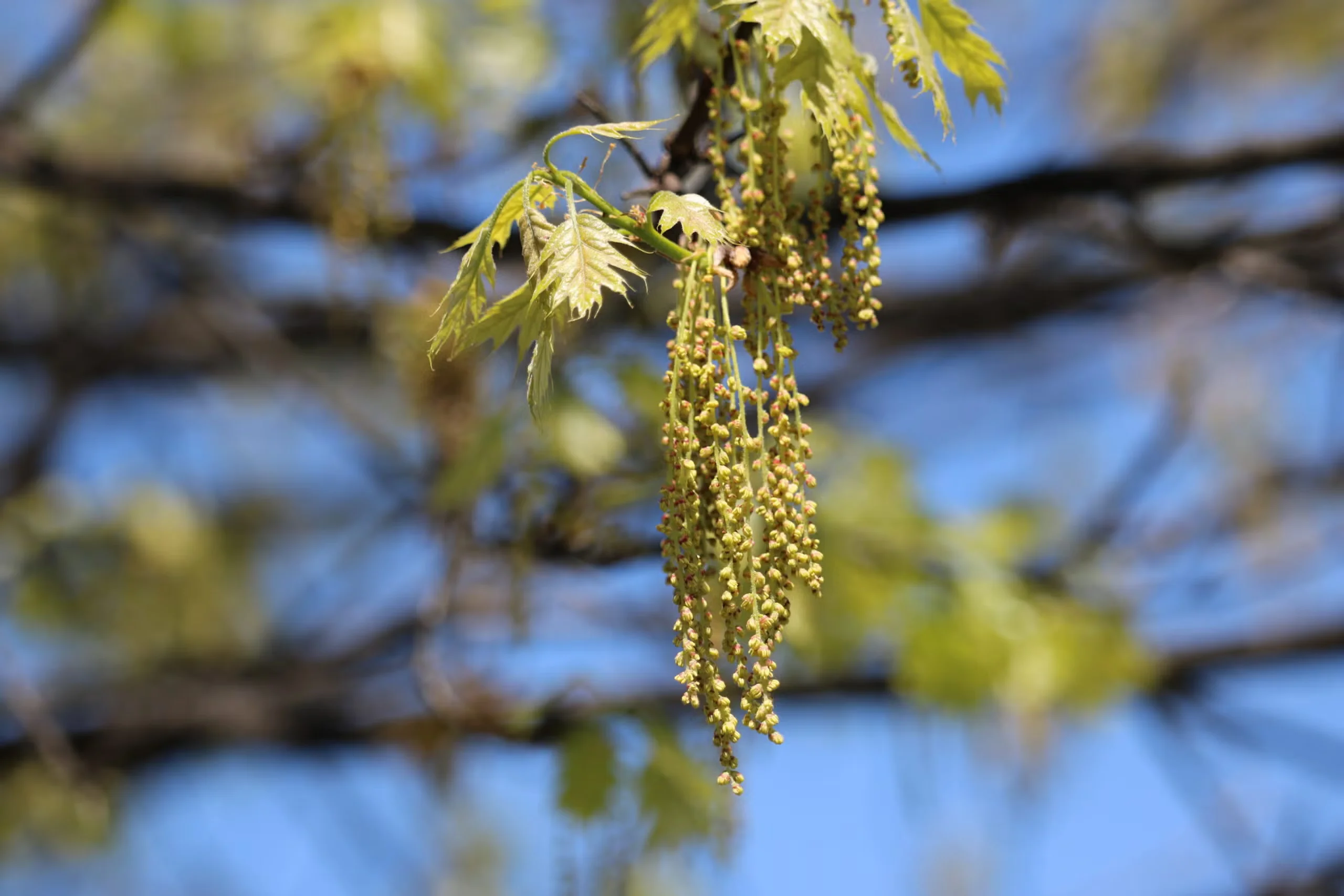
Across the entire Eastern Temperate Forest, oaks still reign as the champion keystone trees because they host more caterpillar-producing insects than anything else. Southern-friendly oaks include white oak (Quercus alba), southern red oak (Q. falcata), live oak (Q. virginiana), willow oak (Q. phellos), and shumard oak (Q. shumardii). All of them attract hundreds of moth and butterfly species whose caterpillars kick-start the whole food chain.
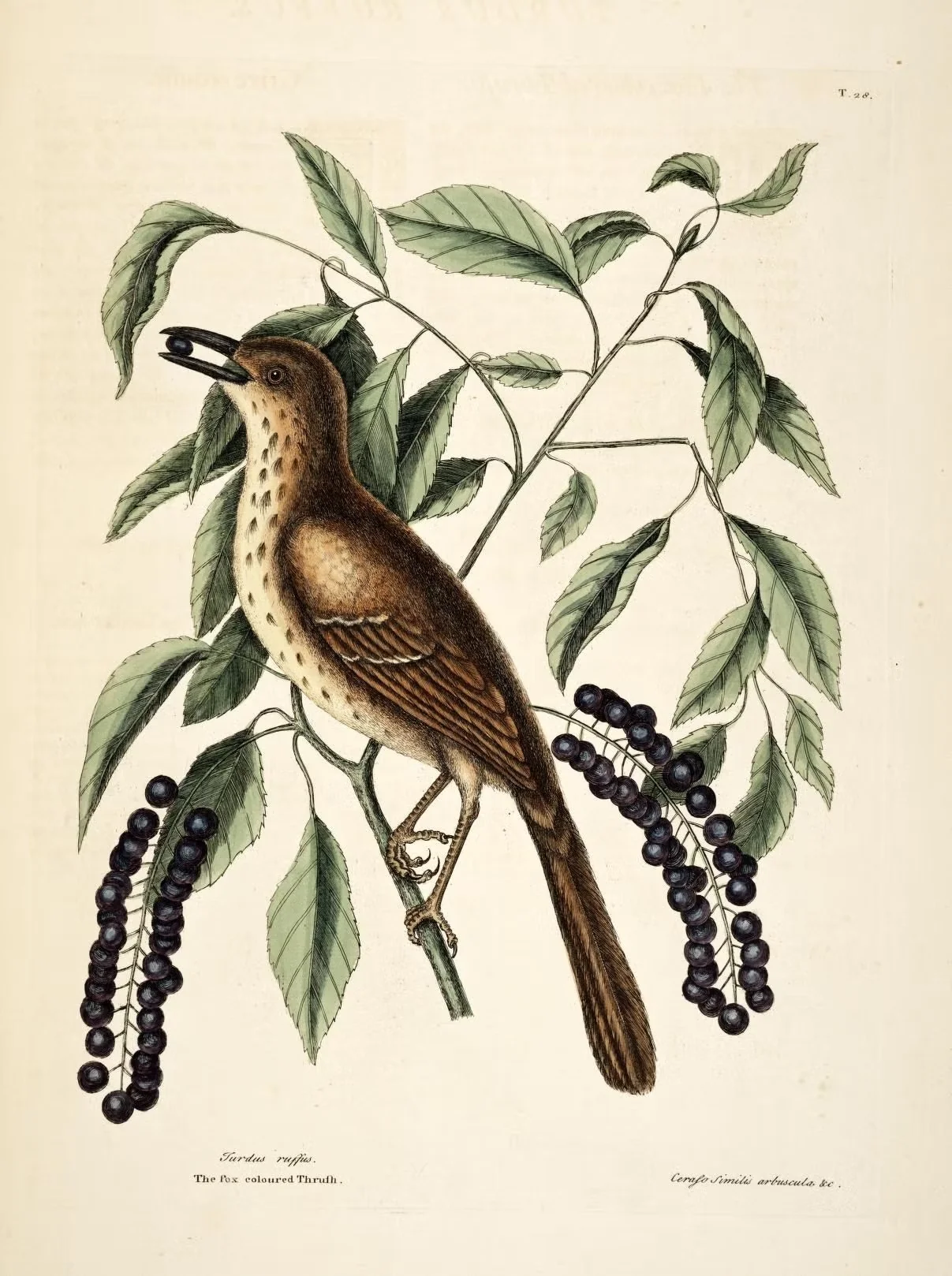
Prunus trees host nearly as many caterpillar species as oaks, and on top of that, their prolific fruit helps birds and mammals make it through the year. The South's keystone native Prunus species include American plum (Prunus americana), black cherry (P. serotina), and chokecherry (P. virginiana). Of course, there are other Prunus trees that aren't native but still support tons of caterpillars — and still feed all the wildlife that comes to raid your fruit. If you've ever grown fruit trees, you know exactly what I'm talking about!
The hilltop woods around one of my old homes in the Appalachians were full of black birch. Back in the early 1900s, local farmers would harvest young black birch saplings and haul them to the birch oil distilleries scattered across the mountainsides. That oil went into making birch beer — a sweet soda a lot like root beer. What I didn't realize back then was that black birch (Betula nigra) is a mighty keystone plant, hosting an incredible 284 species of caterpillar insects. No wonder our spring mornings were always a symphony of birds celebrating the dawn before zipping off to gather caterpillars for their babies.
Related Article: When Planting for Pollinators, Don't Forget Trees
Keystone trees support birds and pollinators
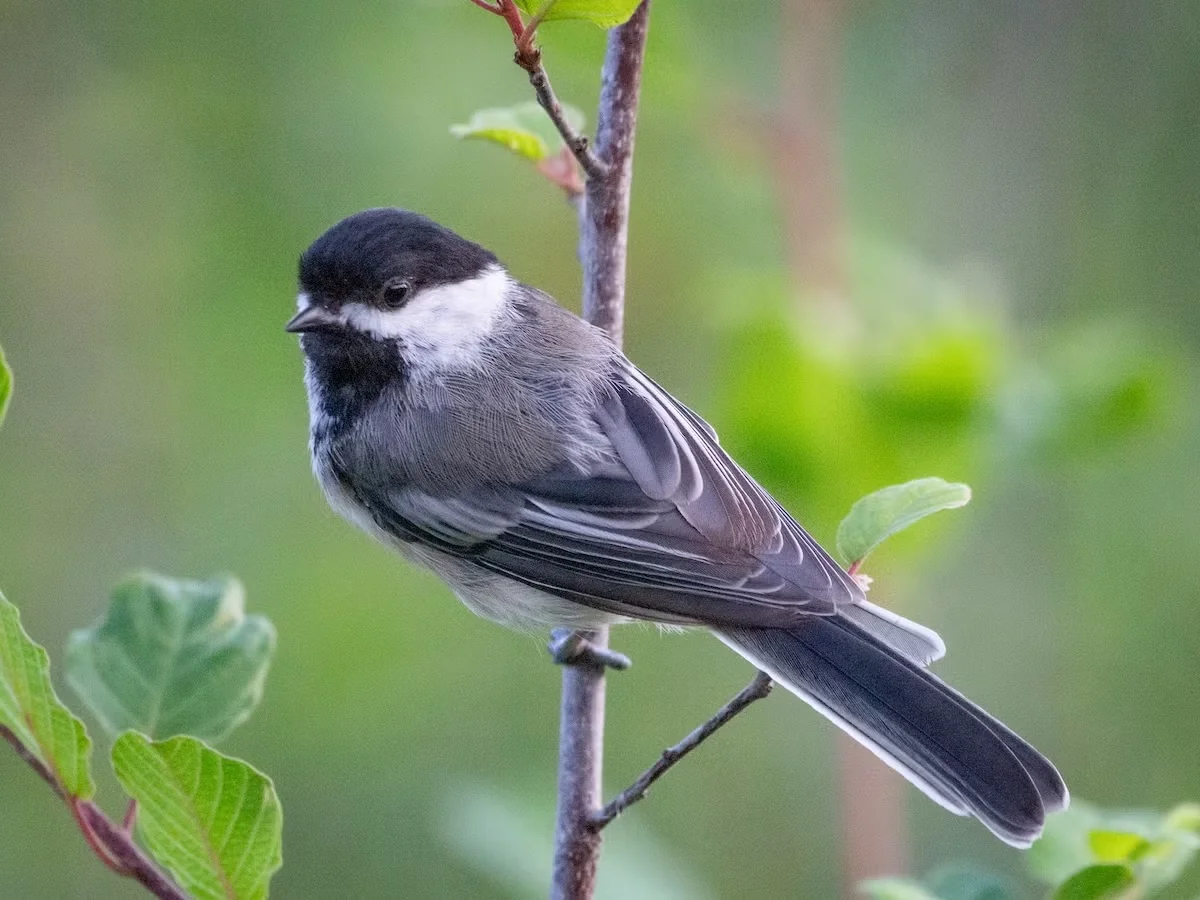
The South is home turf for about 50 species of resident birds, all of which thrive in habitats enriched by keystone plants. And that's not even counting the sky-full of migrating birds that pass through on their way up and down eastern North America every year.
Other keystone trees native to the South include Eastern cottonwood (Populus deltoides), southern crabapple (Malus angustifolia), pitch pine (Pinus rigida), Virginia pine (Pinus virginiana), and the beloved hickories: pignut hickory (Carya glabra), shagbark hickory (C. ovata), and mockernut hickory (C. tomentosa). That last one is a nursery for over 200 species of moths and butterflies, but it's also prized for its nuts — coveted by wildlife and by people who appreciate exquisite flavor and have patience to spare (those rock-hard shells do not give up their nutmeats easily. I've personally spent two hours cracking shells and picking out those incredibly tasty nuts from their twisting channels, only to end up with a tiny cup of nut pieces for my trouble).
Beyond their ecological importance, hickory wood produces this amazing savory, perfumed smoke when it smolders in farmers' smokehouses full of bacon and hams. And the wood is practically indestructible. My dad cut two hickory walking sticks back in 1949, and when he passed away they came to me — they're standing in the corner of the office where I'm writing this right now, 76 years later, and they're every bit as tough as the day he whittled them.
Related Article: Plant This Wildlife-Friendly Three-Season Tree
Keystone perennials in Ecoregion 8
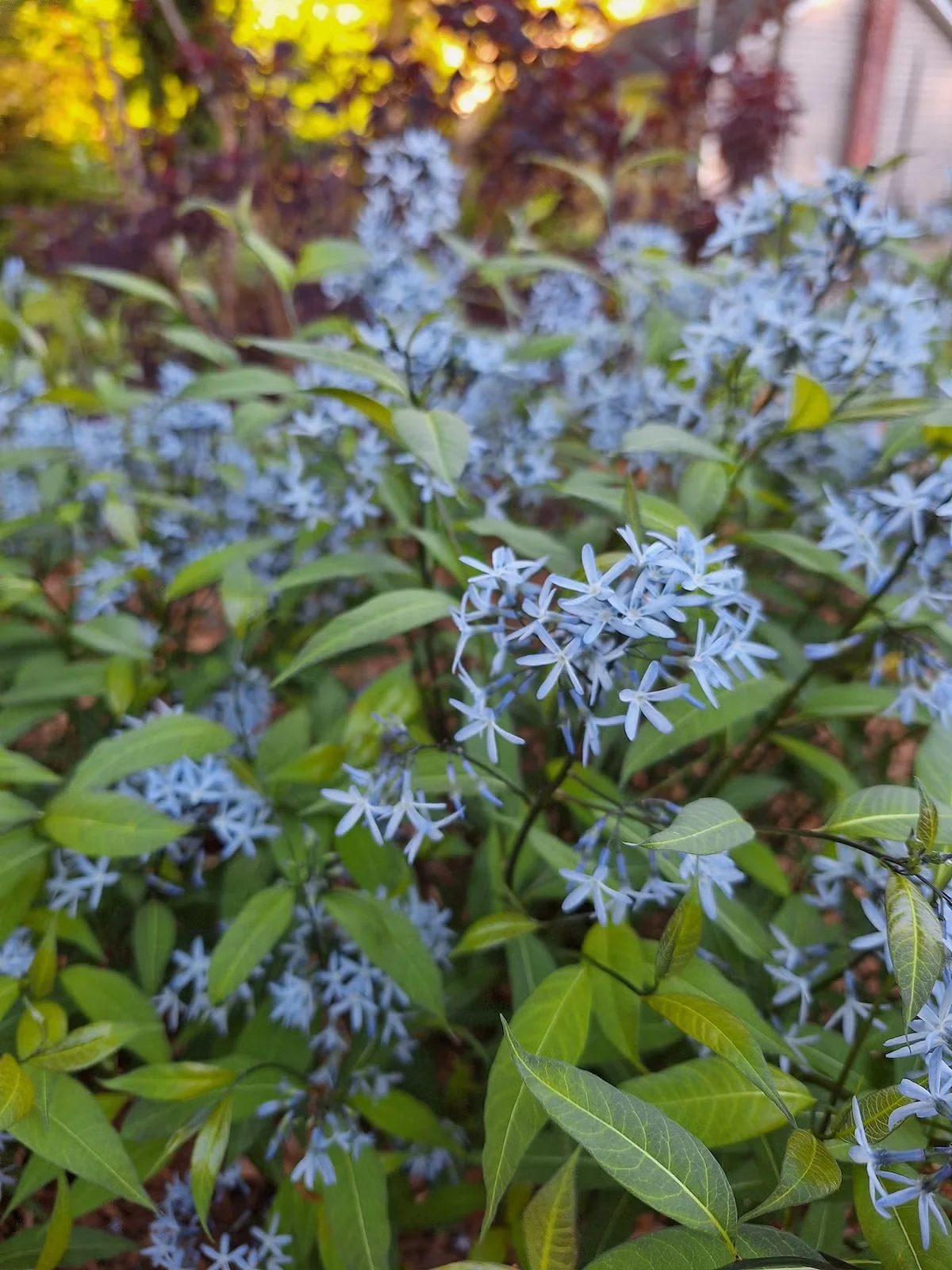
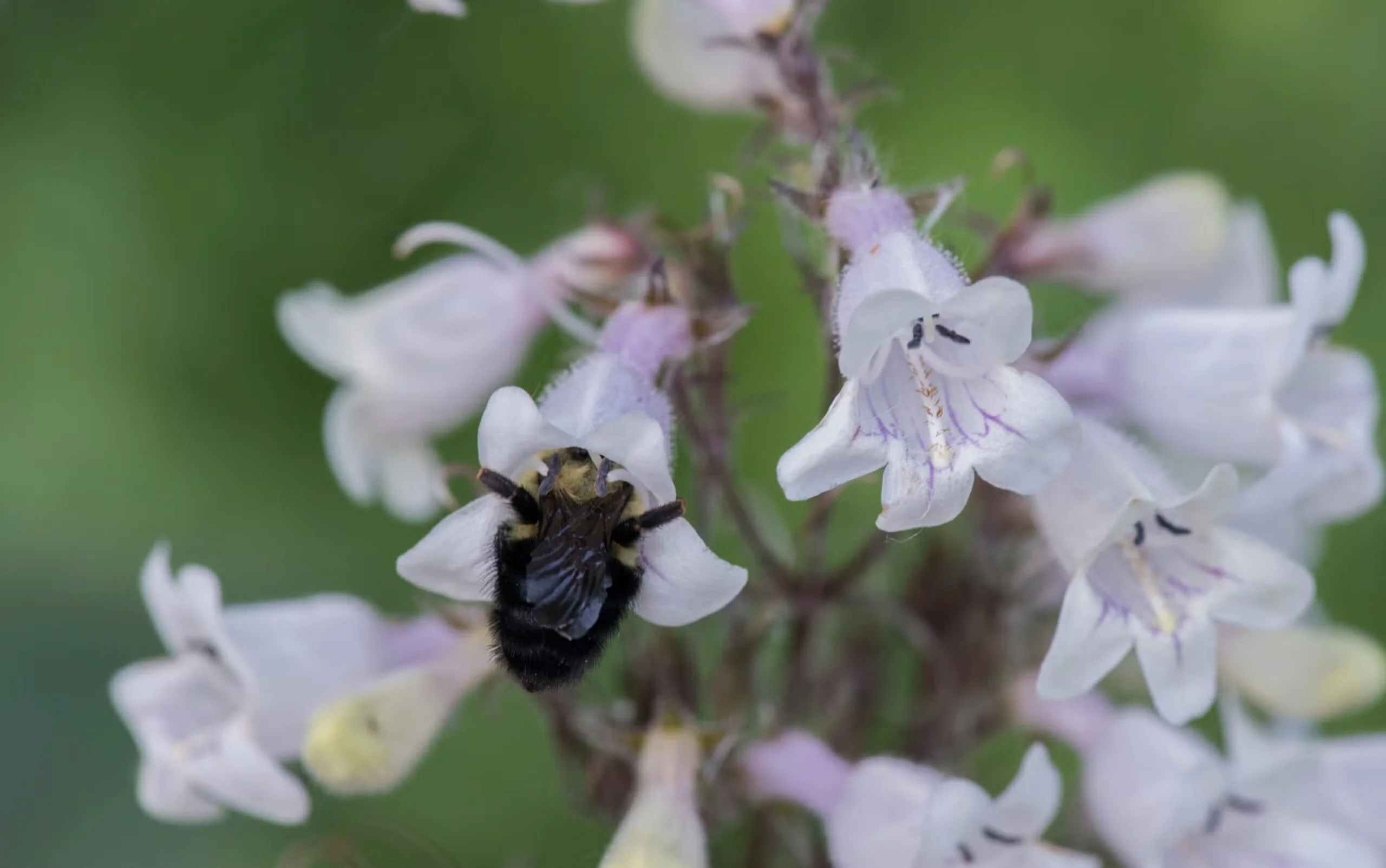
One of the best signs of a healthy ecosystem is strong pollination of native plants — that means plenty of seeds and fruits each year to keep populations thriving. A group of keystone perennials in the South that really bring in and support pollinators includes black-eyed Susan (Rudbeckia hirta), swamp milkweed (Asclepias incarnata), foxgloves (Penstemon digitalis), smooth blue asters (Symphyotrichum laeve), eastern columbines (Aquilegia canadensis), and purple coneflowers (Echinacea purpurea).
This crew provides food and habitat that birds, butterflies, bees, and other pollinators absolutely depend on. Together they create a gorgeous succession of blooms from spring through fall, and they'll come back year after year with barely any fuss. The pollinators they attract then go on to service tons of other plants throughout the local ecosystem.
Related Article: Best Plants for Pollinators, by Region
Keystone plants are foundations of Southern wildlife food chains
Getting keystone plants into your garden and landscape really enriches the whole food chain — from the plants themselves, to birds, to little mammals like voles and mice, on up to squirrels, possums, raccoons, and deer, and all the way up to predators like bobcats, coyotes, raptors, and even those rare mountain lions that have been spotted in Florida.
But it's not just the charismatic critters — there are lesser-known animals that benefit from keystone plants too. Take the Cumberland dusky salamander, found mostly in Tennessee: it feeds on tiny invertebrates that live in the leaf litter from keystone plants on the forest floor, and then the salamanders themselves might become a meal for small mammals, snakes, and certain birds.
Crawfish rely on freshwater habitat
Then there's a resident of southern freshwater creeks and waterways whose clean habitat depends on keystone plants keeping the ecology strong: the crayfish, or as lots of folks call it, the crawdad. Besides feeding wild animals, this little mini-lobster crustacean feeds the food chain all the way up to — yep — us humans. It's so entwined with the local ecology in the South that its shell often houses another, even smaller symbiotic crustacean. Down in New Orleans, you won't have any trouble finding Cajun restaurants ready to pile your plate with boiled crawfish — or even better, crawfish etouffee. Don't worry about those little symbionts though; they're so tiny you'd never even notice them.
Want to learn more about keystone plants for your own region? Check out the National Wildlife Federation's gardenforwildlife.com. The whole ecosystem — from crickets to frogs to birds in the trees and hawks circling overhead — will sing your praises. Loudly.
Image credits (top to bottom): Brown thrasher on chokecherry Biodiversity Heritage Library/Public Domain/Flickr.com Shumard oak Dan Keck/Public Domain/Flickr.com Penstemon Mike Kestrel/CC BY 2.0/Flickr.com