“I'll never forget that spring morning in 1995, shortly after we moved to our woodland spot in Sonoma County, California. I could actually hear the caterpillars chewing on the leaves of the big black…”
Dahlia major
Ecoregion 5 and Its Keystone Plants
I'll never forget that spring morning in 1995, shortly after we moved to our woodland spot in Sonoma County, California. I could actually hear the caterpillars chewing on the leaves of the big black oak just steps from our back door. They were dangling from the canopy on long silk threads, right over the shade that covered our house. I panicked — I thought they'd strip the tree bare — so I called the county agricultural agent to ask about a non-toxic way to deal with them.
"Don't you touch them!" he practically shouted. "This is the year in their life cycle when they feed on the deciduous oaks. It doesn't harm the trees at all, and those caterpillars are a major food source for our birds. Just let nature do its thing."
That simple explanation changed how I saw everything. Sure, my organic gardening background had taught me not to spray poisons and to let nature do its thing in the garden — but I hadn't really zoomed out to see the whole wild system growing, chewing, slithering, and flying all around me.
The National Wildlife Federation's Garden for Wildlife program — working alongside the EPA, the USDA, and the US Forest Service, and drawing on research by Dr. Doug Tallamy at the University of Delaware — has pinpointed which plants in each of North America's distinct ecoregions are absolutely crucial for keeping those ecosystems healthy. In this article, we're diving into Ecoregion 5: the Northern Forests. (Want to find your own ecoregion? Check out the EPA's maps!)
Introducing Ecoregion 5
This region covers northern interior New England, the Canadian Maritimes, parts of New York state and northern Pennsylvania, plus the northern reaches of Michigan, Wisconsin, and Minnesota. Winters here are seriously cold — we're talking –20 to –10°F, cold enough to freeze the ground two feet deep — but summers are lovely, with a solid 100- to 120-day growing season. The keystone and native plants here feed the caterpillars of roughly 90 percent of the butterflies and moths that evolved alongside them over thousands and thousands of years.
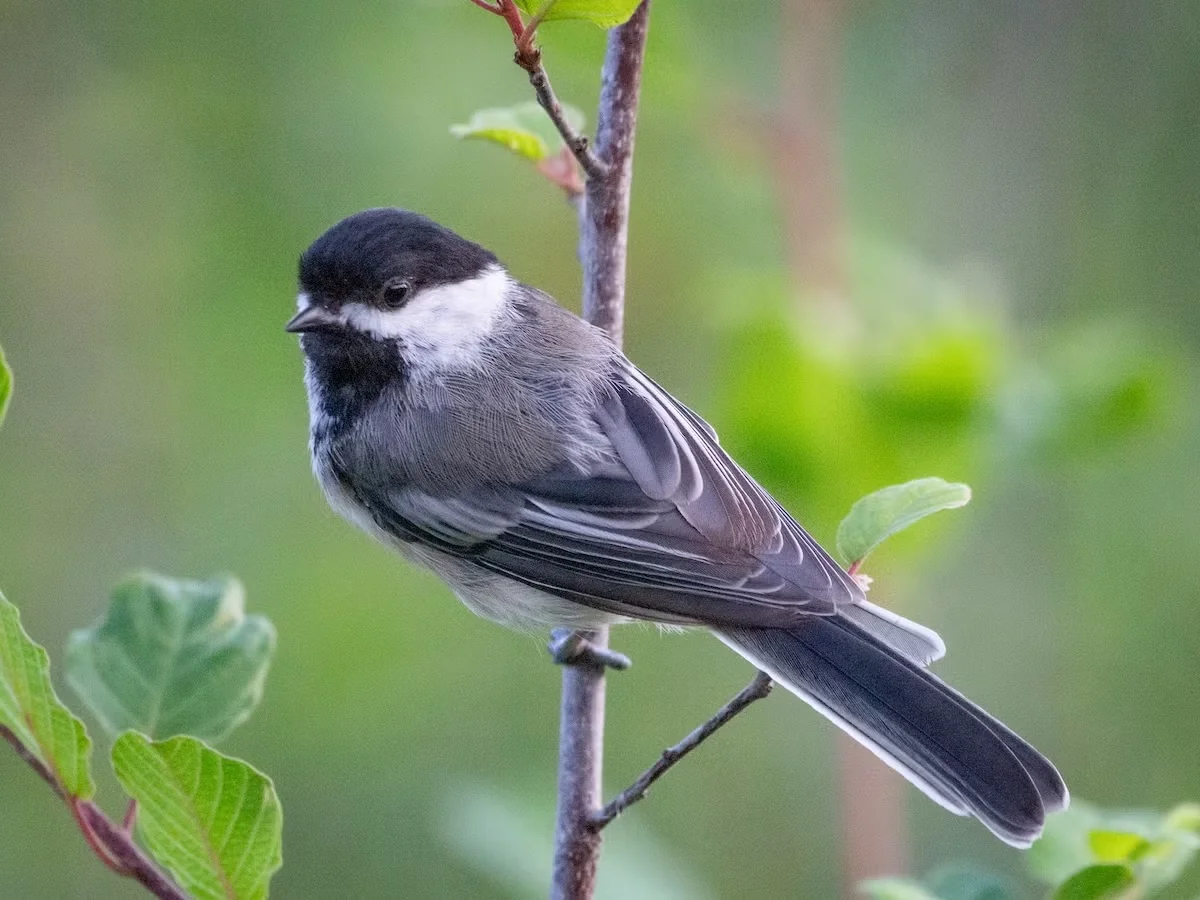
And those caterpillars? They're what feed the songbirds. Get this: a single pair of nesting chickadees will feed their babies somewhere between 6,000 and 9,000 caterpillars during the roughly 16 days from hatching to fully feathered. That's a whole lot of caterpillars!
Ecoregion 5's Keystone Tree
So what's the MVP keystone plant behind all these juicy caterpillars? It's Quercus alba — the white oak. Nearly 450 species of butterflies and moths lay their eggs on white oaks because the leaves provide exactly the nutrition caterpillars need, right when they need it, in the forms they love most. And those well-fed caterpillars? They go on to feed all those baby birds in spring. It's a beautiful cycle.
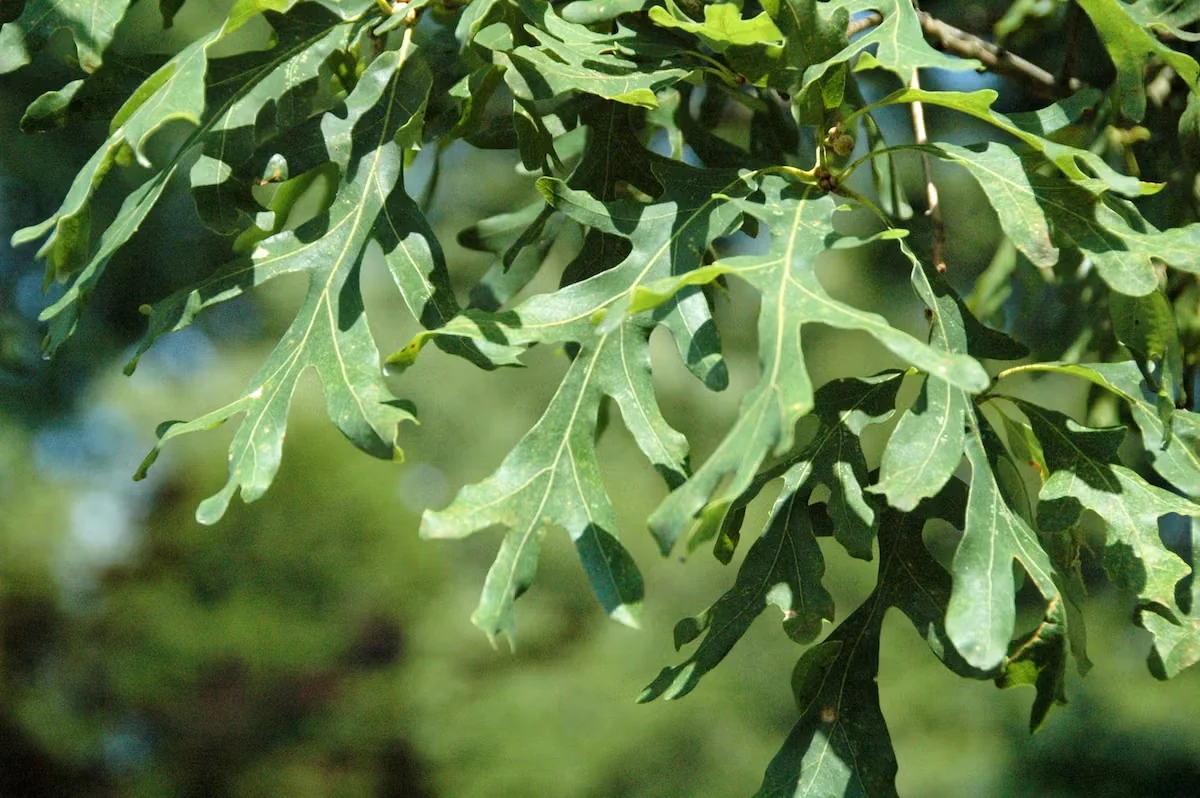
Just how important are keystone species? You'd think a landscape with 95 percent native plants would be paradise for local butterflies and moths. But here's the kicker: if the keystone plant species is missing, you could see up to 75 percent fewer caterpillar types, according to Tallamy's Nature's Best Hope — an absolutely fantastic read if you're a home gardener looking to make a real difference in your local ecosystem.
Dr. Tallamy points out that 445 species of Lepidoptera rely on white oak (and to a lesser extent, black oak, Q. velutina) as host plants. Now compare that to the tulip tree (Liriodendron tulipifera) at just 21 species. And here's a fun one — guess how many butterfly species use butterfly bush (Buddleja davidii) as a host for their larvae? Just one. One!
This tight connection between white and black oaks, the caterpillars that munch on their leaves, and the birds that raise their chicks on those caterpillars — it all creates a rock-solid foundation of health that ripples outward through the entire Northern Forest ecoregion.
Bird eggs feed snakes and small mammals like possums, raccoons, and rats. Raptors go after birds and snakes; owls, foxes, and bobcats hunt the rats. Deer browse on red maple and ash in spring and summer, then switch to pine and cedar in winter — and their heavy grazing on young trees can mess up habitat for forest songbirds. But apex predators like cougars and wolverines keep deer numbers in check, which lets hardwoods and conifers grow healthy and strong.
Those trees drop plenty of dead wood onto the forest floor, creating habitat for pine martens, fishers, weasels, mink, and other small mammals — which then become meals for predators. A healthy ecosystem also builds itself from the ground up, with fungi and molds supplying minerals and water to the trees, and soil creatures like worms and beetles feeding on the level below them while feeding the level above. It's all connected.
Other Keystone Plants in Ecoregion 5
There's another type of keystone plant that plays a different but equally important role, and it's all about pollen-specialist bees. These bees are picky eaters — they only forage from a specific plant family, genus, or sometimes even a single species. The keystone plants are the ones these specialist bees depend on most.
In Ecoregion 5, lowbush blueberry (Vaccinium angustifolium) and cranberry (V. macrocarpon) attract six kinds of pollen specialists, while willows (Salix) pull in twice that many. So if you're growing blueberries or cranberries, those specialist bees are actually doing you a favor — they'll boost your yields and fruit set as they move pollen around while gathering nectar. And both of these plant groups also serve as host plants for hundreds of Lepidoptera species, so they're pulling double duty in Ecoregion 5.
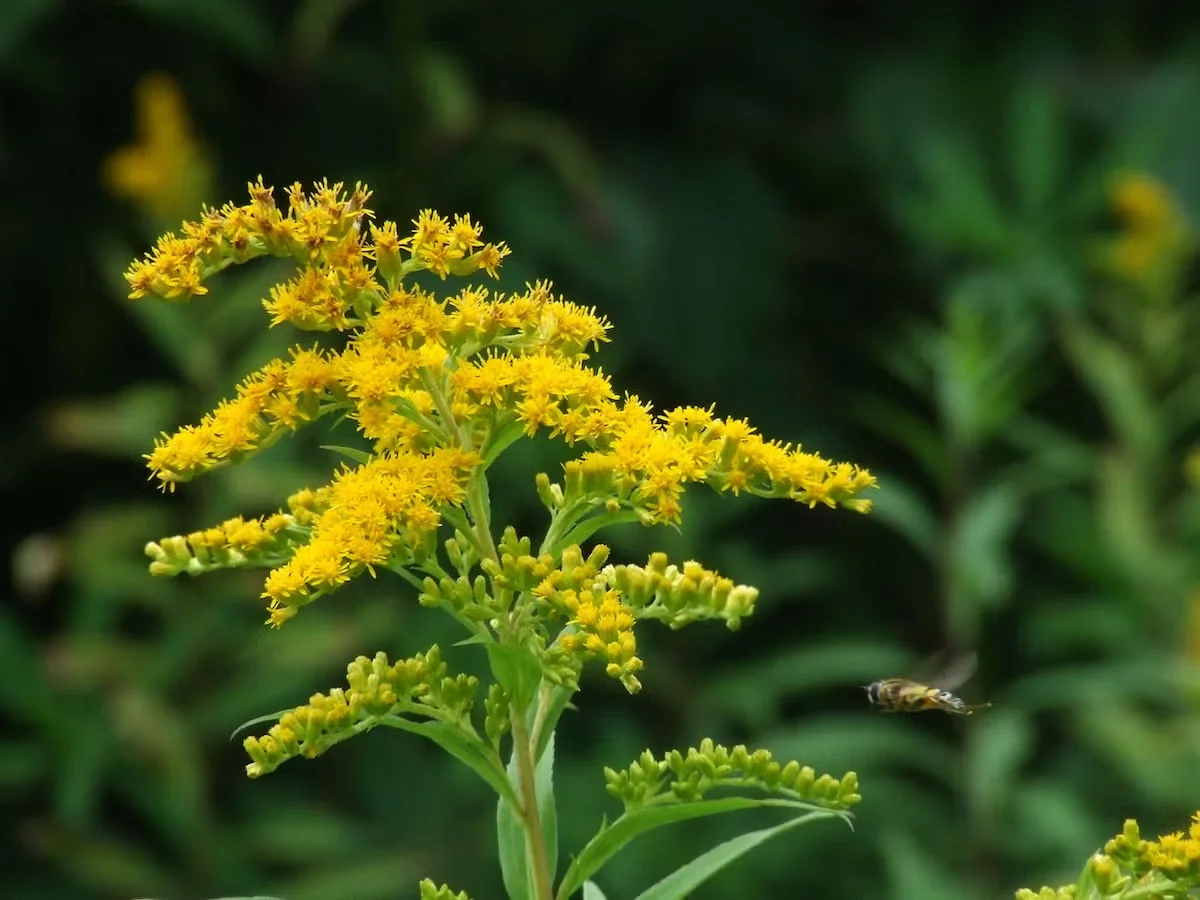
Among flowering perennials, Canada goldenrod (Solidago canadensis) is a standout — 22 species of specialist bees rely on it as a keystone host. Other perennials that host lots of pollen specialists include asters (Symphyotrichum), sunflowers (Helianthus), black-eyed Susans (Rudbeckia), and tickseeds (Coreopsis).
If you're a gardener or landscaper who weaves keystone plants appropriate for your ecoregion into your tree, shrub, and perennial choices, you're genuinely strengthening your local ecology. And honestly, with habitat shrinking, toxic chemicals everywhere, biodiversity declining, and non-native plants dominating so many public and private landscapes, our ecosystems could really use all the help we can give them.
Image credits: White oak by James St. John/CC BY 2.0; Black-capped chickadee by Mark Gillow/CC BY 2.0; Canada goldenrod by Marcus Buchwald/CC BY-SA 2.0