“Dwarf hinoki cypresses (Chamaecyparis obtusacultivars) are those quiet heroes of the garden — they play a solid background role during the growing season, then totally steal the show in winter when…”
Heuchera purpurea
Dwarf Hinoki Cypress Are Easy Conifers With Great Texture
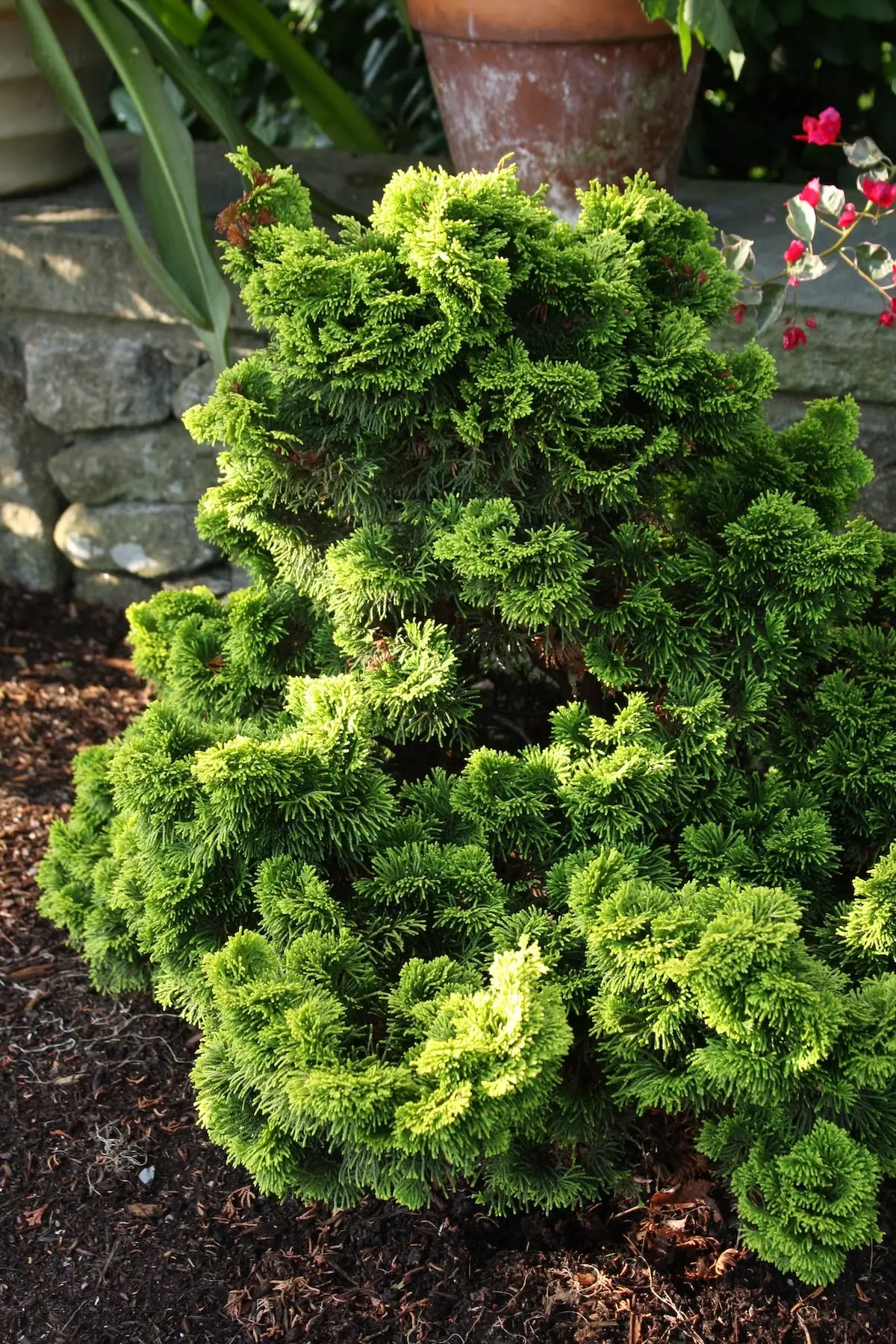
Dwarf hinoki cypresses (Chamaecyparis obtusacultivars) are those quiet heroes of the garden — they play a solid background role during the growing season, then totally steal the show in winter when their color and texture really pop. These evergreen conifers have this really cool fan-shaped, scaly foliage that's just fun to mix and match with other leaf textures. The best part? These little guys are slow-growing, so they won't outgrow their spot anytime soon, and they stay interesting year after year as your garden evolves around them. In 2025, dwarf hinoki cypress even picked up a Theodore Klein Plant Award, partly because they handle heat and humidity way better than a lot of other conifers. (The award program is based in Kentucky, for what it's worth.)
Common name: Dwarf hinoki cypress
Botanical name: Chamaecyparis obtusacultivars
Origin: The species is originally from Japan and Taiwan.
Foliage: These have evergreen scales arranged in these gorgeous flattened fan-shaped sprays — some cultivars are super dense and twisty, while others are more delicate and fernlike. Color-wise, you'll find everything from gold to deep green depending on which one you pick. 'Crippsii' is a great example with its sunny yellow foliage, and 'Nana Gracilis' mixes deep green with gold highlights — really lovely.
Size and habit: So the straight species C. obtusa grows into a big, roughly triangular tree, but the dwarf cultivars stay much smaller and come in fun shapes — pyramids, columns, globes, even weeping forms. The classic 'Nana Gracilis' is shaped like a little bun and only reaches about three feet tall after ten years. 'Split Rock' is a bit bigger, hitting around six feet after a decade, with a pyramidal shape and blue-tinged foliage on these beautifully rippling branches.
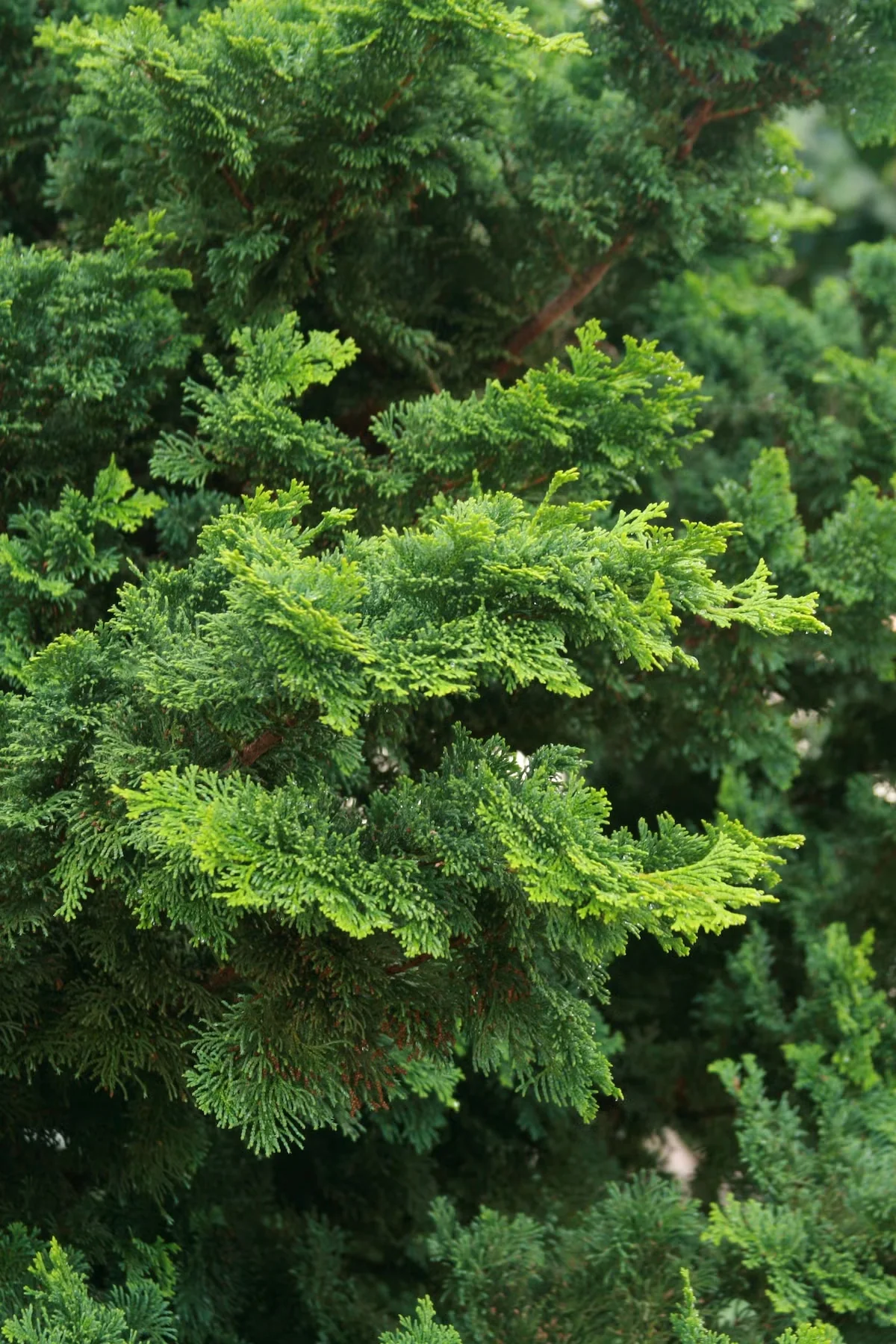
Growing dwarf hinoki cypress
How to grow it: Full sun brings out the best growth habit in C. obtusa cultivars. They like average to rich soil, good drainage, and regular moisture. They're a bit more forgiving if you forget to water compared to other Chamaecyparis species, but they're definitely not drought tolerant — so keep them watered heading into winter and during any winter warm spells. Also, avoid planting them where they'll get battered by harsh, drying winds. On the plus side, C. obtusa handles humidity like a champ (it's part of their natural environment) and can take some heat too. USDA Zones 4–8.
Image credit: Michelle Gervais