“Coralberry (Symphoricarpos orbiculatus) is a deciduous shrub native to a big chunk of eastern North America, and it's a fantastic pick for naturalistic gardens, slopes, and woodland edges. This…”
Narcissus rubra
Coralberry Is a Shrub for Bird-Friendly, Naturalistic Gardens
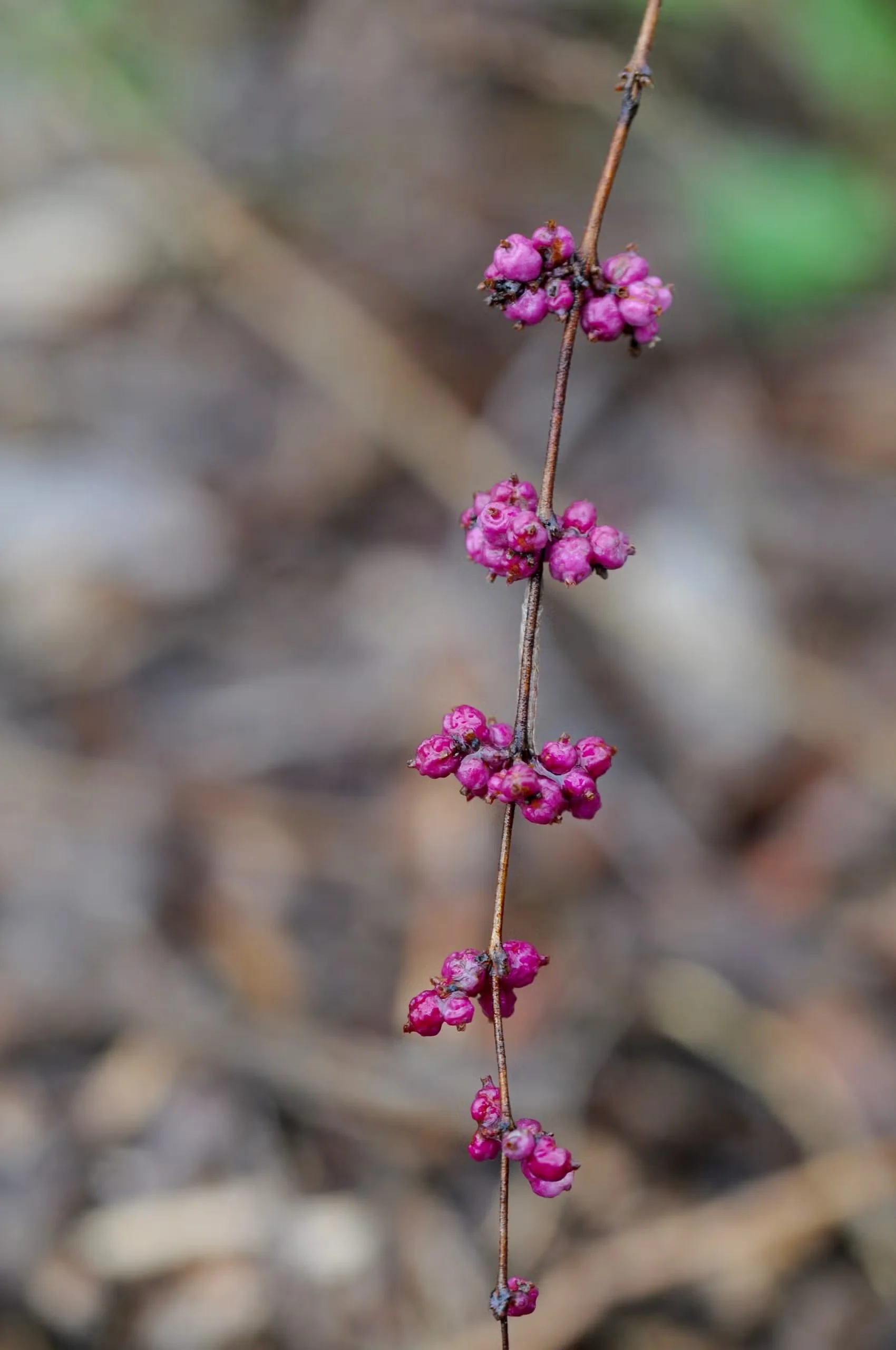
Coralberry (Symphoricarpos orbiculatus) is a deciduous shrub native to a big chunk of eastern North America, and it's a fantastic pick for naturalistic gardens, slopes, and woodland edges. This spreading shrub brings birds flocking with its vivid winter berries. In summer, its little bell-shaped flowers feed pollinators, and the leaves serve as a nursery for several kinds of moth caterpillars. Those arching stems root wherever they touch the ground, which is great for holding soil and choking out weeds. Just know that this spreading habit means coralberry needs room and sturdy companion plants — but put it in the right spot and it's a wonderfully low-maintenance choice for wildlife-friendly or informal gardens.
Common name: Coralberry
Botanical name: Symphoricarpos orbiculatus
Origin: This shrub is native to roughly the eastern half of the United States — southern New England, the Mid-Atlantic, the Southeast, the Midwest, and the eastern Great Plains. You'll find it growing in woodlands and along stream banks.
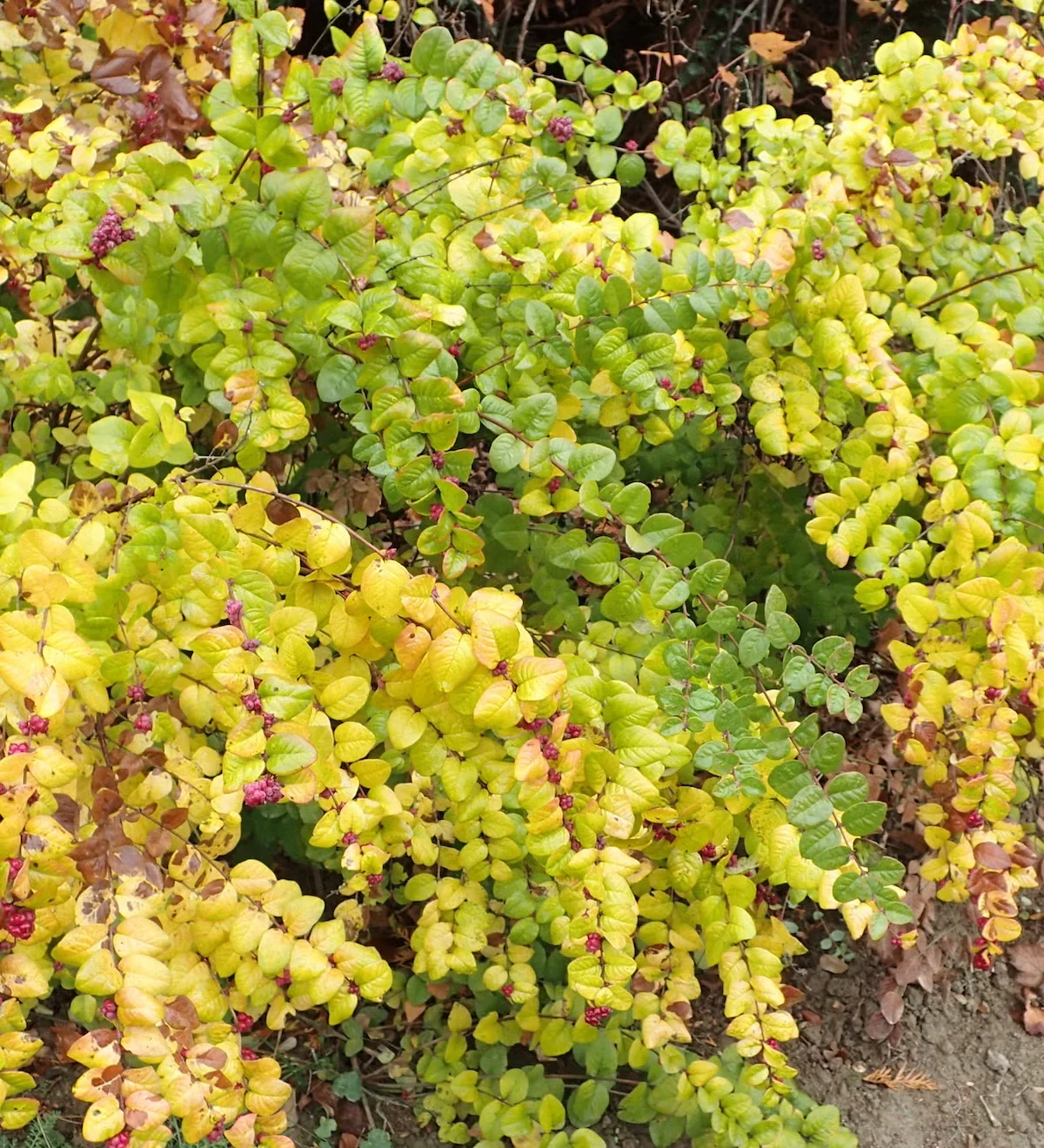
Flowers/fruits: Delicate pinkish-white, bell-shaped flowers bloom in early summer all along the stems. The berries ripen in autumn to a bright pink-purple and can hang on the shrub well into winter before the birds finally eat them.
Foliage: Oval, bluish-green leaves. Deciduous.
Size and habit: Coralberry is a woody shrub growing two to five feet tall and four to eight feet wide, with arching stems that root where they touch the ground and form a thicket. This spreading habit actually makes it really useful — plant it as a tall ground cover in a naturalistic garden, an informal hedge, or to hold a slope in place.
Growing coralberry
Exposure: Full sun to part shade
How to grow it: Symphoricarpos orbiculatus likes full sun to part shade, average well-drained soil, and moderate moisture. Fair warning — in a formal garden or a tight space, this shrub would be considered high-maintenance because it loves to spread by suckering and sending out runners. Save yourself the hassle of constant pruning by giving coralberry plenty of room where it can fill in without bulldozing its smaller, less pushy neighbors. USDA Zones 2–7.