“'Autumn Brilliance' serviceberry is a hybrid of two small trees native to eastern North America, and it really stands out from other serviceberries thanks to its knockout fall foliage color, larger…”
Viburnum glabra
'Autumn Brilliance' Serviceberry: a Wildlife-Friendly Three-Season Tree
'Autumn Brilliance' serviceberry is a hybrid of two small trees native to eastern North America, and it really stands out from other serviceberries thanks to its knockout fall foliage color, larger spring flowers, and solid resistance to diseases like rust, fire blight, and powdery mildew. Meanwhile, those blossoms and berries make it a fantastic pick for anyone building a pollinator- or bird-friendly garden.
Common name: 'Autumn Brilliance' serviceberry
Botanical name: Amelanchierxgrandiflora'Autumn Brilliance'
Origin: The hybrid species Amelanchierxgrandiflora came about from crosses between A. arborea and A. laevis. A. arborea is an adaptable species native to forests, woodland edges, and stream banks from eastern Canada through the Upper Midwest, New England, Mid-Atlantic, and Southeast. A. laevis is similar but its range doesn't stretch into the Deep South. 'Autumn Brilliance' originated as a natural cross at an Illinois nursery, where nurseryman Willet Wandell discovered it and introduced it to the trade in 1986. In 2025, it was added to the Pennsylvania Horticultural Society's Gold Medal Plants list.
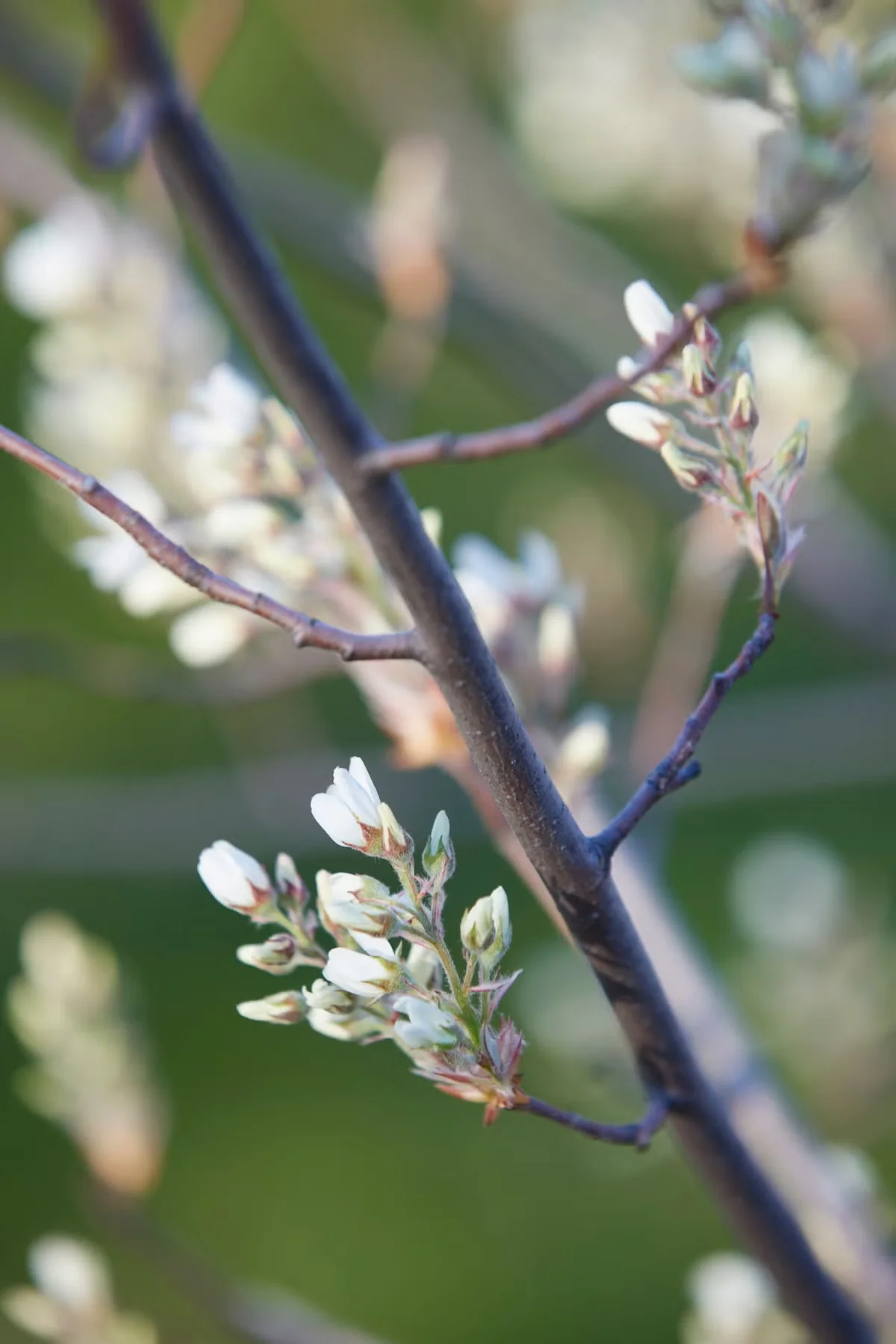
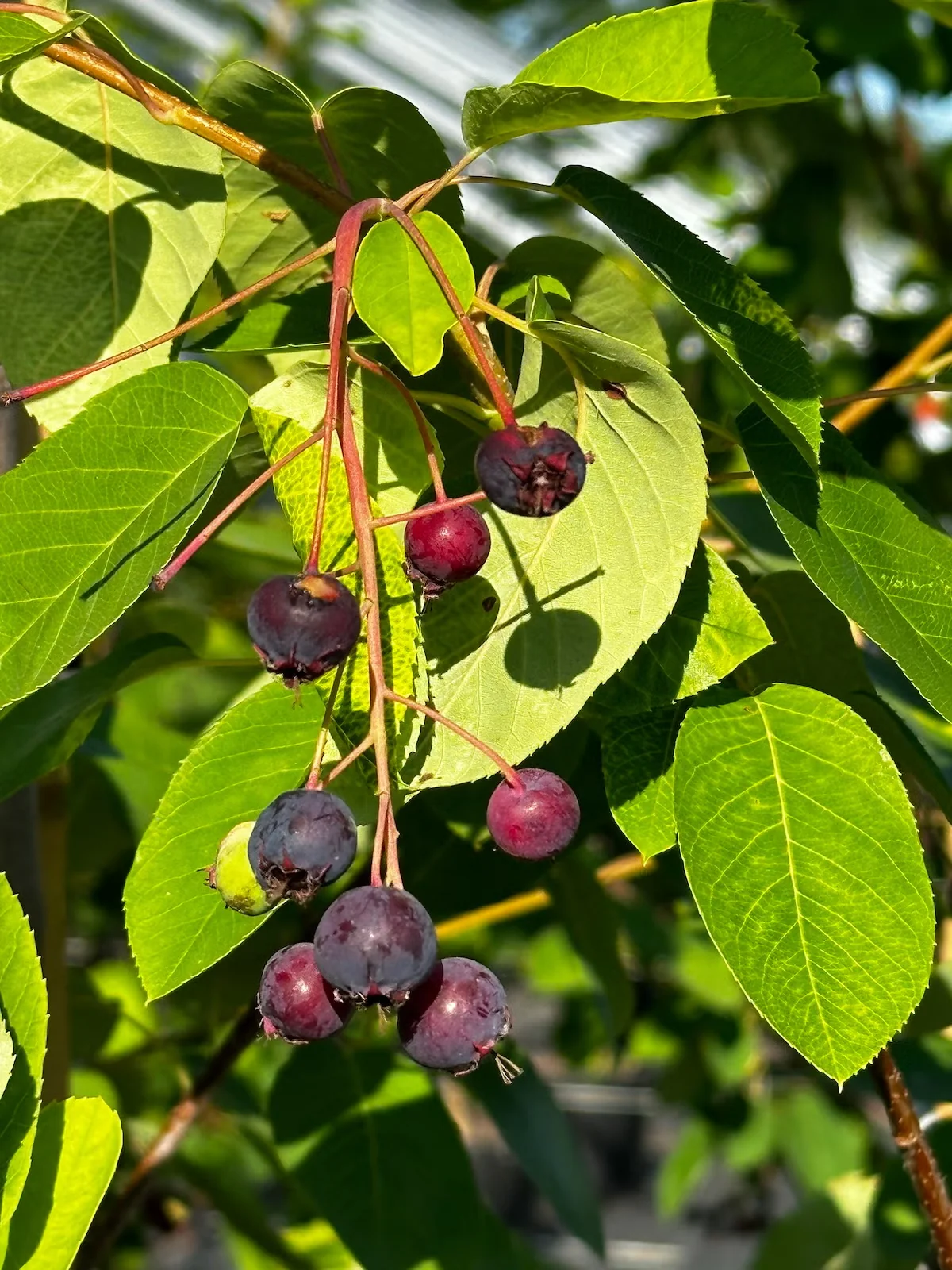
Flowers: Showy, relatively large white flowers open from pink buds in mid-spring — they're not just pretty, they're also a boon for bees and other pollinators. The fruit that follows in early summer feeds songbirds, and if you're feeling adventurous, you can use it to make jams and jellies.
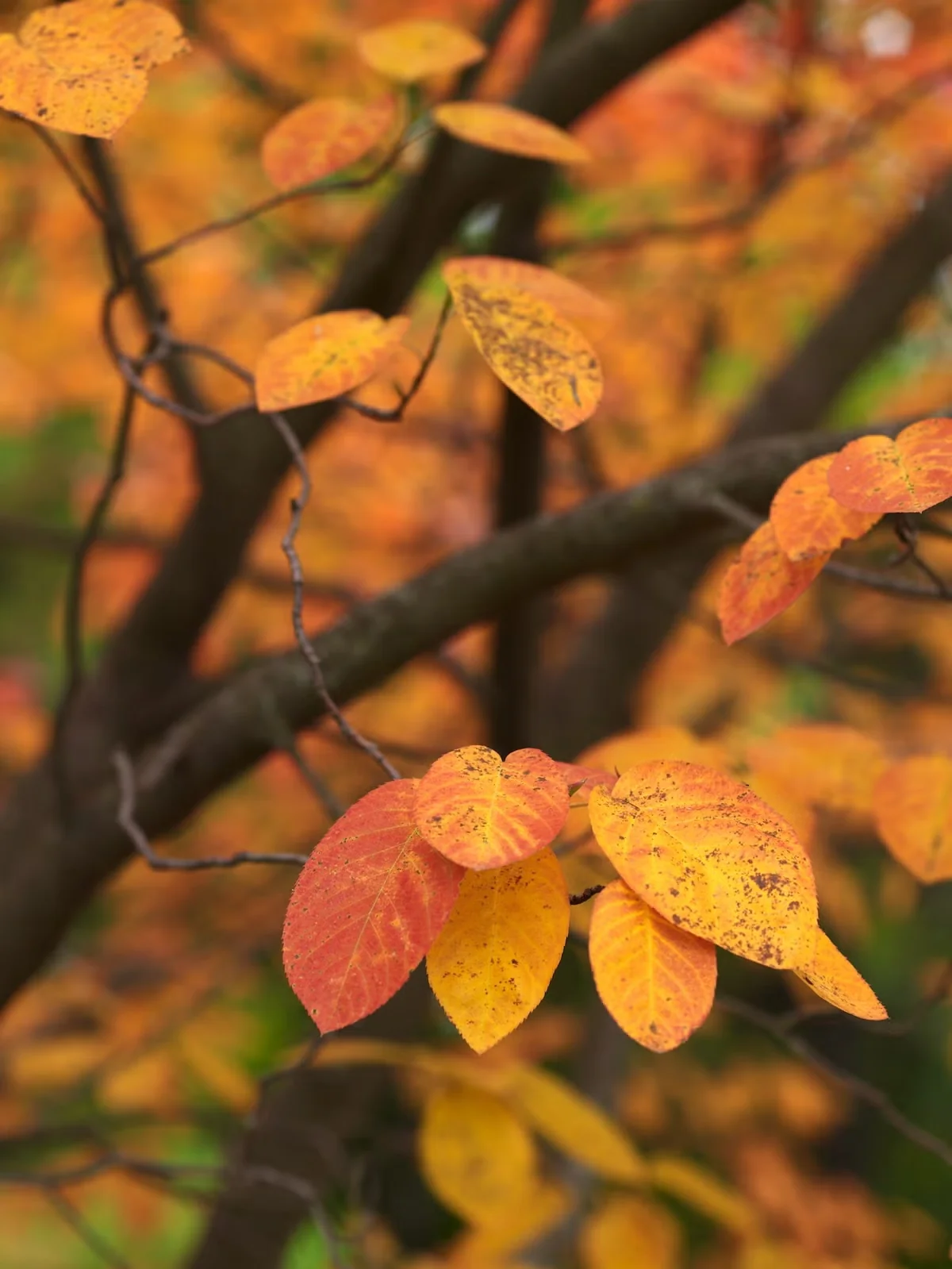
Foliage: Small, oval, medium green leaves that turn vivid orange-red in autumn. While other serviceberries can have nice fall color too, the sheer intensity of 'Autumn Brilliance' is what really sets it apart.
Size and habit: Maturing to about 20 feet tall, 'Autumn Brilliance' can be grown as a small tree or as a vase-shaped, multi-trunked large shrub — your choice.
Growing 'Autumn Brilliance' serviceberry
Exposure: Full sun to part shade or all-day dappled light
How to grow it: 'Autumn Brilliance' is a pretty adaptable plant — it's happy in just about any light level except full shade. It appreciates even moisture, but once it's established it can handle both dry spells and short periods of wet soil, which makes it a good candidate for the edge of a rain garden or swale. If you need to prune, late winter or early spring is the time. Want a tree form? Just remove any growth that pops up at the base of the trunk. Prefer a shrubbier, multi-trunked look? Let that low growth develop and do its thing. USDA Zones 4–9.
Image credits: Fall foliage and spring flowers by Jack Coyier. Summer fruit courtesy of Pennsylvania Horticultural Society.