“Let's be honest — gardeners have been chasing beautiful fragrances since forever. Fragrant flowers like gardenias, roses, and lilacs are obvious classics, but there's a whole world of scented plants…”
Heuchera chinensis
Four Flowers for Fragrance from Spring to Fall
Let's be honest — gardeners have been chasing beautiful fragrances since forever. Fragrant flowers like gardenias, roses, and lilacs are obvious classics, but there's a whole world of scented plants out there that don't always get the attention they deserve. Here are four you can combine for a steady succession of fragrance from spring all the way through fall.
Spring: fothergilla
Fothergilla is a genus in the witch hazel family with a handful of species native to the southeast US. These deciduous shrubs bring fragrance to your spring borders, but unlike a lot of spring-blooming shrubs, they keep the show going all the way until frost.
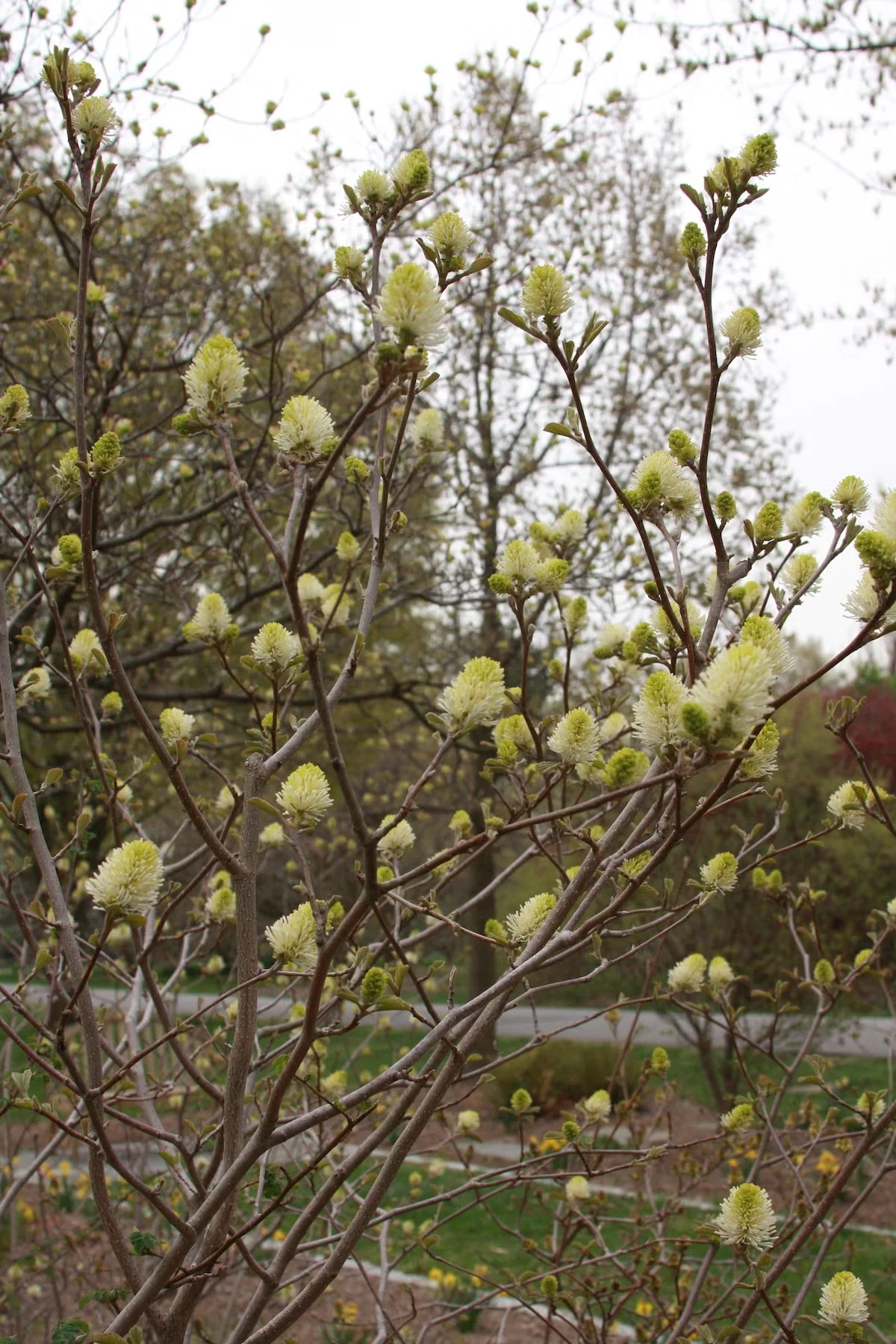
Both large fothergilla (F. major) and dwarf fothergilla (F. gardenii) look like shrubby, multi-stemmed witch hazels, with scalloped leaves that drop in fall to reveal a really cool twiggy branch structure underneath. F. major reaches six to ten feet tall and wide and prefers part shade with drier soils, while the dwarf species stays one to three feet and likes more sun and moisture. Both can slowly colonize an area over time — the smaller species is a bit more enthusiastic about spreading, especially if you give it loose soil.
For several weeks starting in mid-spring, one- to two-inch-long creamy white bottlebrush flowers open at the branch tips and fill the air with a light honey scent that's just heavenly. The leathery leaves stay fresh and good-looking all summer, then in autumn they put on an absolute riot of color — red, orange, yellow, and purple all at once.
The hybrid F. xintermedia 'Mount Airy' came from a naturally occurring cross between the two species and gives you the best of both parents at a nice in-between size of three to five feet tall and wide. Its sport 'Blue Shadow' looks exactly the same except for its leaves, which are a striking powder blue in spring and summer. The trade-off? The fall color isn't quite as spectacular.
Late spring to summer: crinum lily
The crinum lily (Crinum; Zones 7–11) is one of those old-fashioned pass-along plants for milder climates, and it's nearly indestructible. These tough beauties are often found still blooming at long-abandoned homesteads — they really don't care about neglect and will grow in just about any soil type, from dry and sandy to fairly moist. The daylily-like foliage forms big clumps two to eight feet wide, and they send up two- to five-foot-tall scapes topped with drooping teardrop buds. Those buds slowly inflate and open in late afternoon, and the fragrance? Absolutely intoxicating.
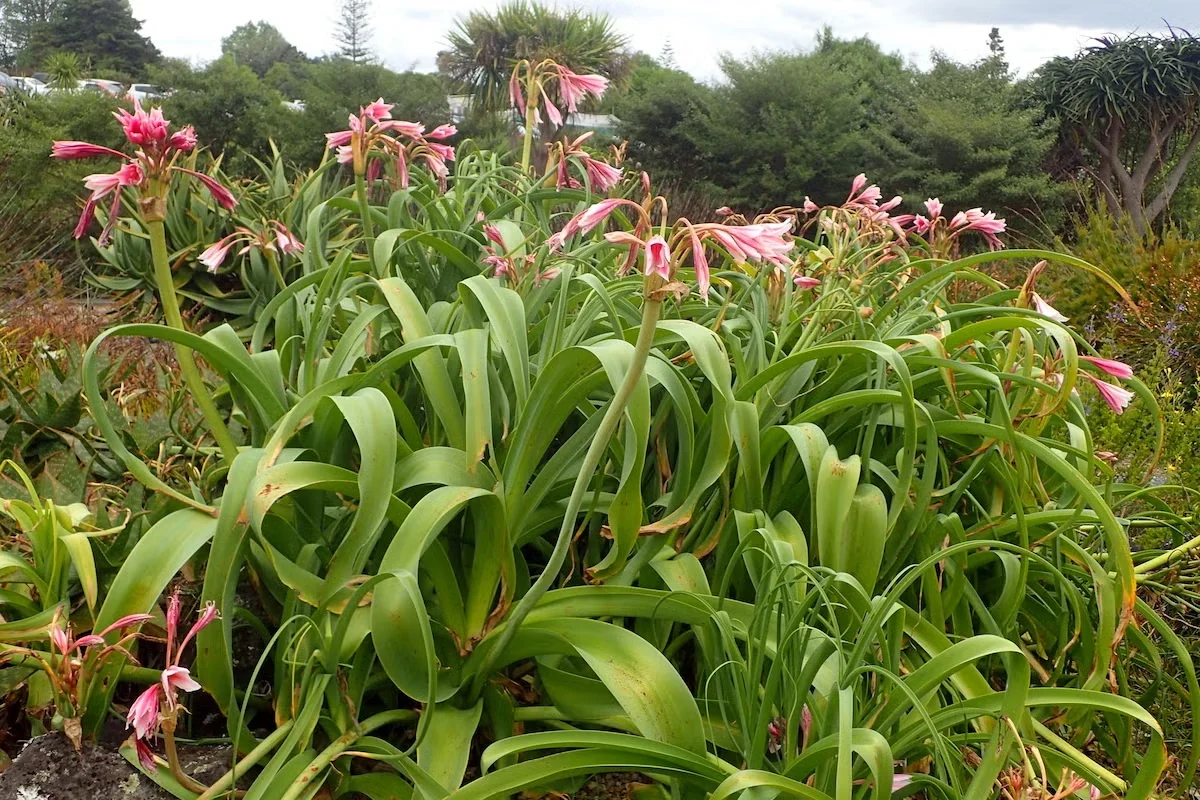
Thanks to recent trials — and maybe our warming climate — Zone 6 gardeners can now grow new hybrids and even some older cultivars without much worry. Some of the hardier crinums include the peppermint-striped 'Milk and Wine', pink 'Sunbonnet', the oversized 'Super Ellen', heirloom 'Ellen Bosanquet', and the species C. bulbispermum, also known as the Orange River lily.
Late summer to fall: summersweet
Clethra alnifolia (Zones 3–9), better known as summersweet or sweet pepperbush, is another deciduous shrub from eastern North America that uniquely extends the shrub season — this time with its later blooms. Bonus: it tolerates shade and deer tend to leave it alone.
In the wild, summersweet is a colonizing shrub of variable size, ranging from three to eight feet tall and wide along sunny or partly shaded sandy stream banks and moist woodlands. In summer and even into autumn, white to pink, two- to six-inch nectar-rich flower spikes bloom at the branch tips, filling the whole area with this incredible sweet and spicy vanilla-like scent. When fall arrives, the leaves usually turn a pleasant light yellow.
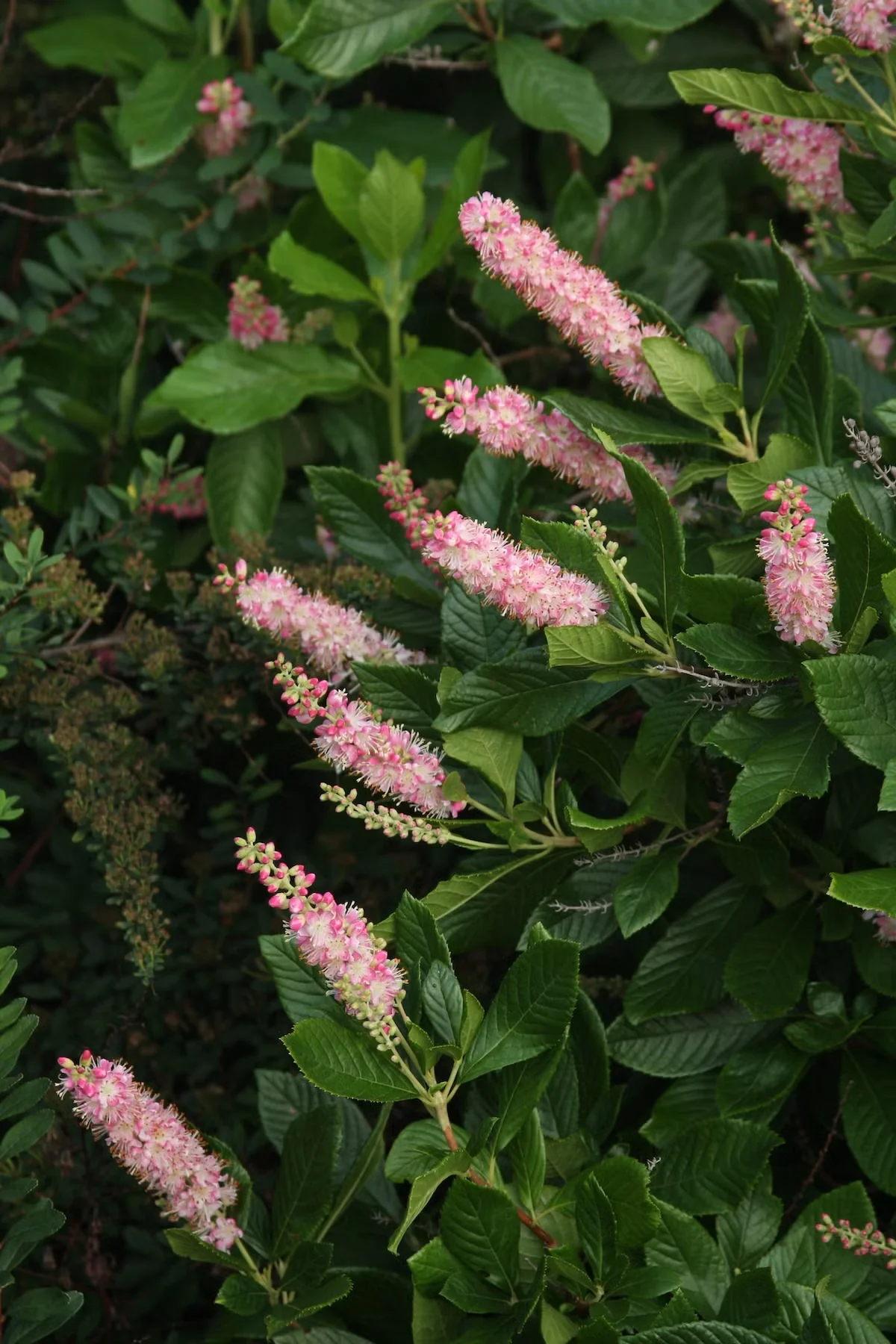
Widely available cultivars like 'Hummingbird' and 'Sixteen Candles' bring the size down to three to five feet tall and wide with a denser habit, while Sugartina ('Crystalina') is even more compact at one to three feet. 'Ruby Spice' has blush pink flowers on a three- to five-foot shrub, and 'September Beauty' stays larger but blooms really late — potentially well into September. One thing to know: this plant is slow to leaf out in spring, but don't panic — it's not dead or frost damaged, just still sleeping!
Summer: flowering tobacco
Perfect for tucking alongside crinum or toward the back of the border, South American flowering tobaccos (Nicotiana sylvestris and N. alata) are absolute must-haves for their long summer bloom. They're tender perennials (Zone 10) usually grown as annuals, and they were Victorian favorites for their garden perfume. Honestly, we should all be growing them today — they're easy to care for and smell amazing.
Nicotiana sylvestris is a big, bold statement plant, with two-foot-wide rosettes of large, sticky, plantain-like leaves that can shoot up three to six feet tall. From early summer right up to frost, spidery clusters of drooping white flowers burst out like fireworks, releasing a jasmine-like fragrance that gets stronger in the evening and draws in sphinx moths. 'Only the Lonely' is a popular selection you can find.
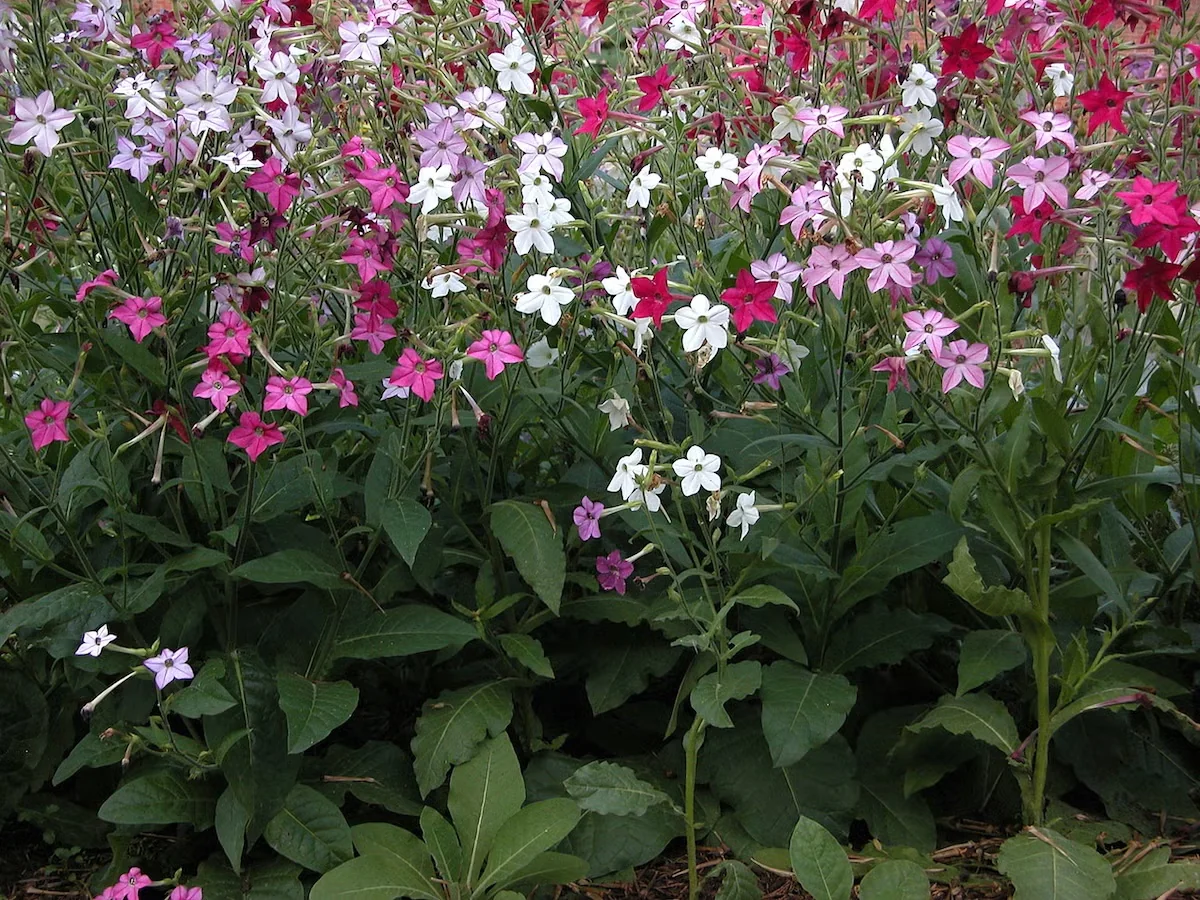
Nicotiana alata, on the other hand, is most commonly sold as dwarf hybrids — 18- to 24-inch plants with fuzzy leaves and upright, tubular star-shaped flowers in shades of white, chartreuse, pink, and deep red. The catch? Those dwarf hybrids have basically no scent! If you want the real deal, look for the straight species, which is a larger, airy plant growing three to five feet tall and wide with fresh white to soft green, nicely scented flowers that open around sundown. 'Fragrant Cloud' is one compact hybrid (reaching about three feet) that actually keeps the fragrance.
Image credits: Fothergilla major by Michelle Gervais; Crinum bulbispermum by Krzysztof Ziarnek, Kenraiz/CC BY-SA 4.0; Clethra alnifolia 'Ruby Spice' by Michelle Gervais; Nicotiana alata by Carl Lewis/CC BY 2.0