“Cornus controversa, or giant dogwood, is a medium-sized deciduous tree that people adore for its horizontal branching — it gives the canopy this gorgeous ladder-like look, which is why it's also…”
Paeonia major
June Snow Giant Dogwood Lives Up to Its Name with Abundant White Flowers
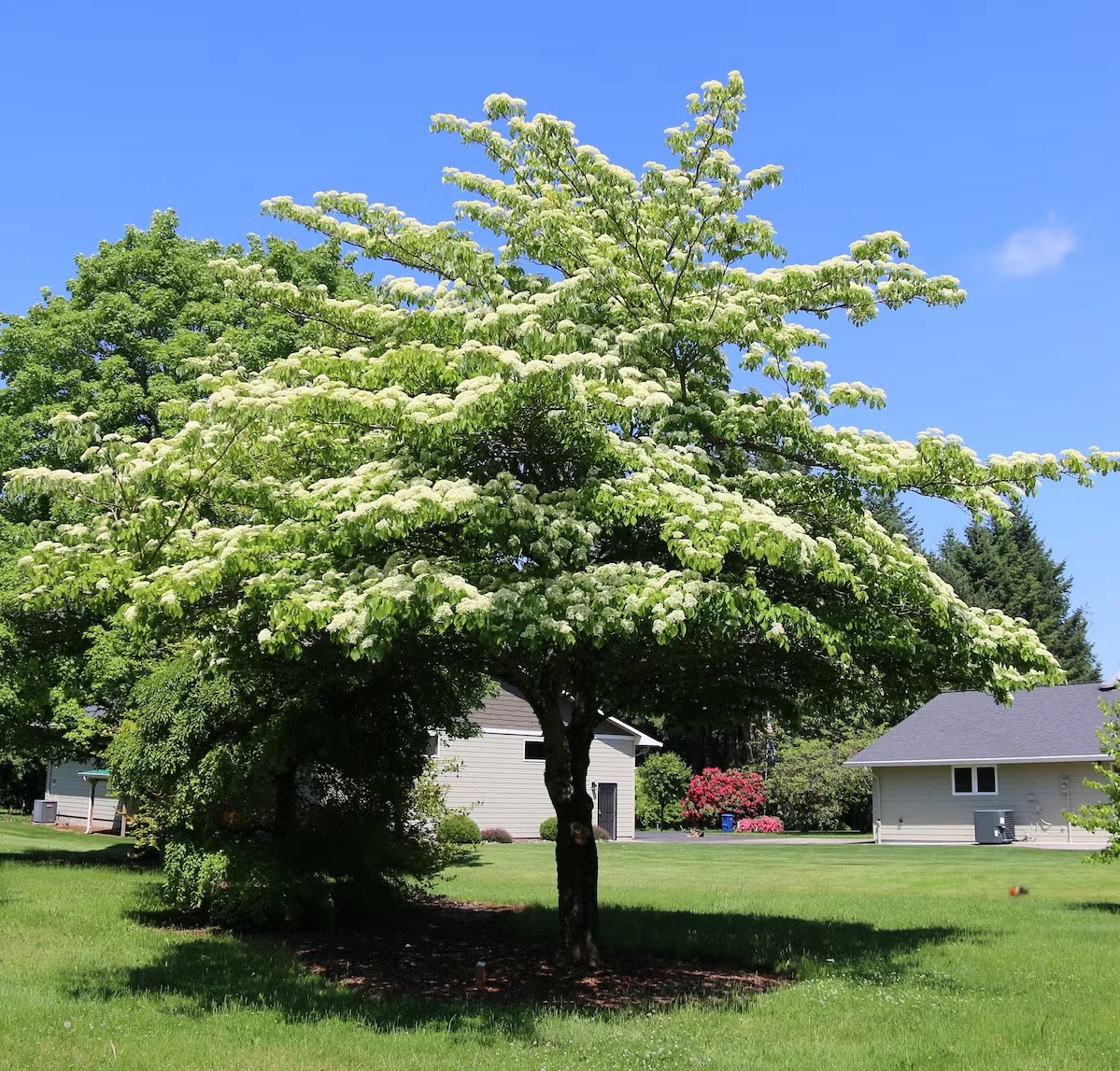
Cornus controversa, or giant dogwood, is a medium-sized deciduous tree that people adore for its horizontal branching — it gives the canopy this gorgeous ladder-like look, which is why it's also called the wedding-cake tree. There are a handful of giant dogwood cultivars out there, but June Snow is a real standout for its large, abundant flowers and non-variegated leaves. Think of it as a less common alternative to its similarly sized cousins C. kousa and C. florida — but with true year-round interest, a later bloom time, and a different flower structure.
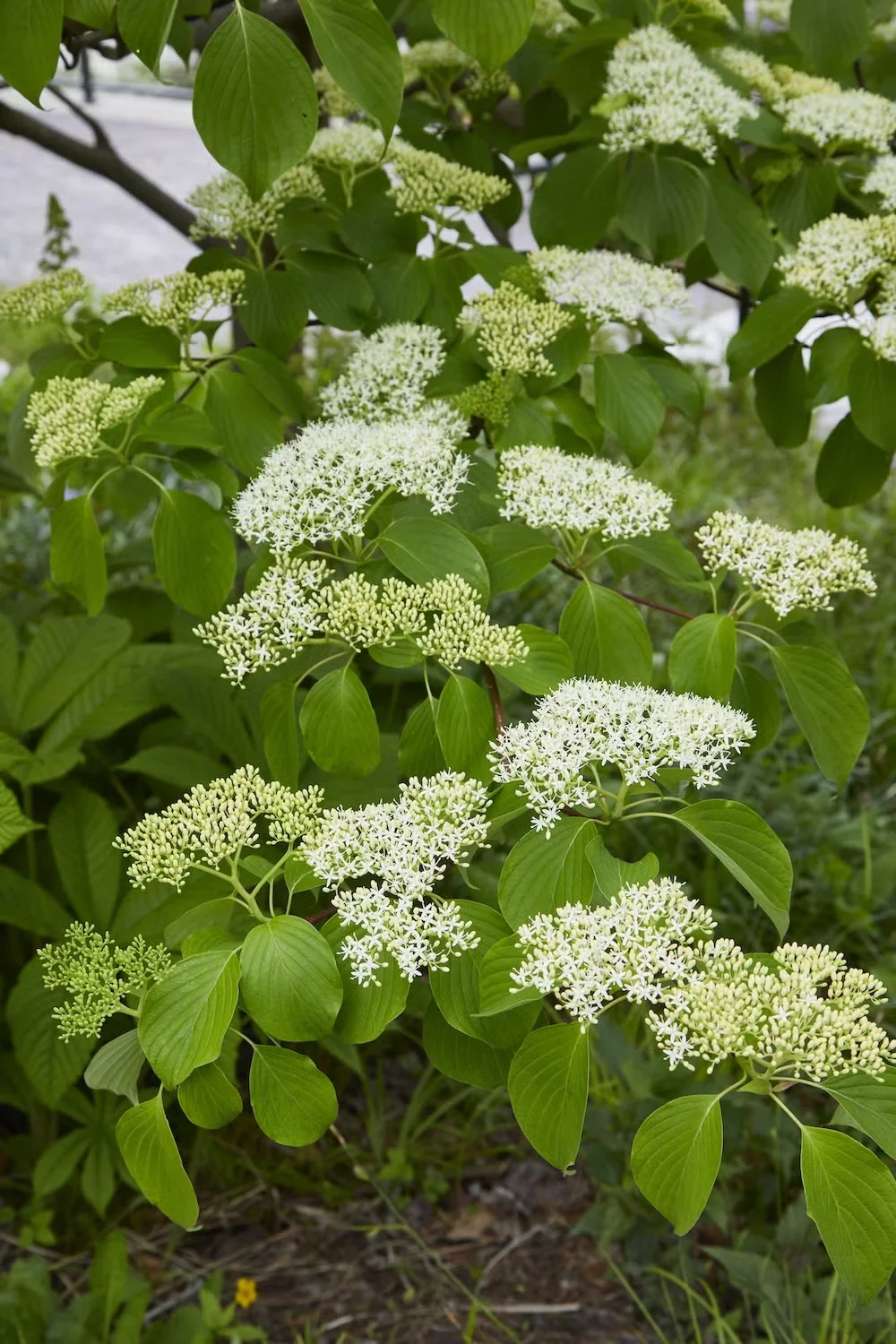
Common name: June Snow giant dogwood
Botanical name: Cornus controversa 'June Snow-JFS'
Origin: The species Cornus controversa is native to Japan, Korea, China and Vietnam. This Asian native's growth habit, flowering and fruit are a lot like the North American pagoda dogwood (C. alternifolia), but it's a bigger tree and a faster grower — and probably easier to find for sale, too. June Snow is a cultivar that was originally spotted growing near the Swarthmore Arboretum in Pennsylvania. That tree really stood out for its habit, fall color and flowering. It was introduced by the wholesale nursery J. Frank Schmidt & Son Co. more than 20 years ago.
Flowers: Bloom happens in late spring to early summer, when the tree puts out six-inch-wide clusters of tiny white florets. These pollinator-friendly flowers give way to fruits that ripen to bluish black in autumn — birds love them. The name June Snow comes from its incredibly heavy bloom that can blanket the branches like, well, snow.
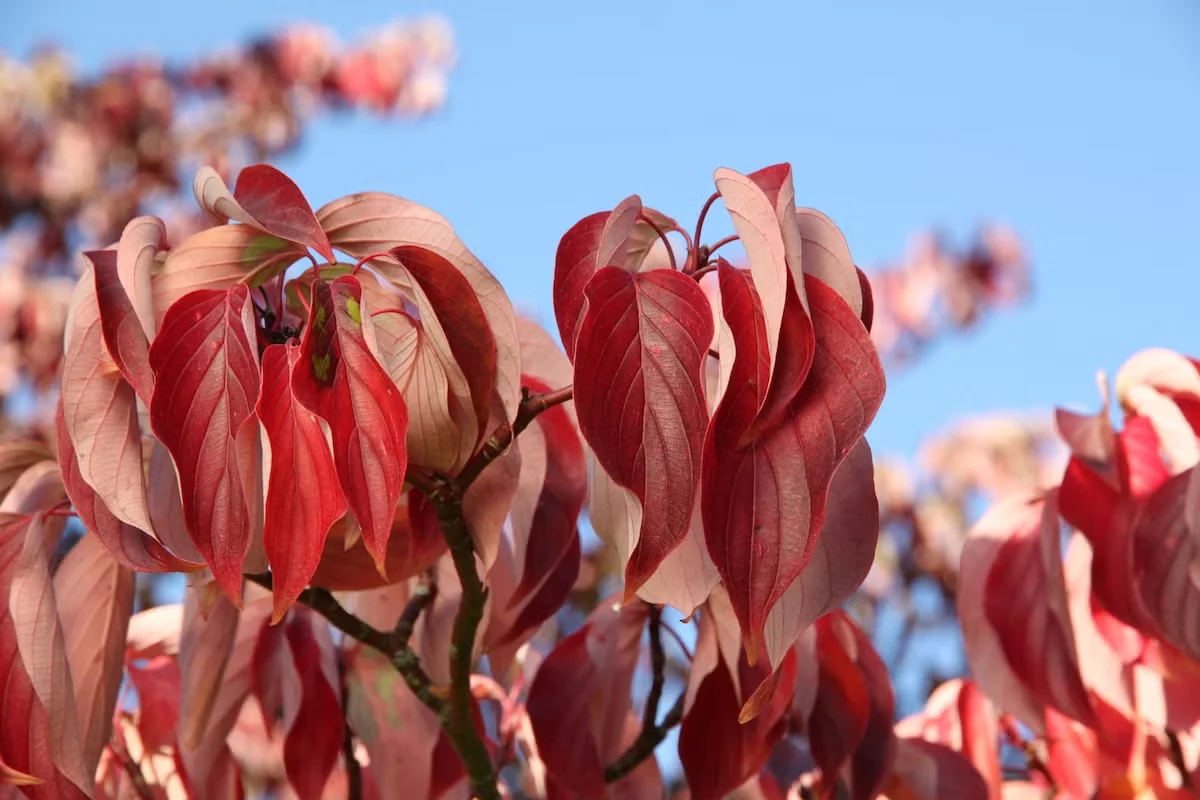
Foliage: June Snow giant dogwood has solid, deep green oval leaves. In fall they light up in fiery shades of red and orange. The Latin name C. controversa actually refers to the tree's alternate leaf arrangement — the leaves are held singly and staggered along each side of the stem. All other dogwood species hold their leaves in opposite pairs, except for C. alternifolia, whose leaf arrangement is also called out in its Latin name.
Size and habit: June Snow reaches about 35 feet tall, and its crown can spread just as wide thanks to those gorgeous horizontal branches. With its relatively low height, it makes a wonderful ornamental tree for back gardens or roomy front yards with no overhead utility lines. Just be sure to pick a spot that can accommodate its full width and really show off that linear branch structure — avoid tight spaces where you'd have to prune and ruin its natural form.
Growing June Snow giant dogwood
Exposure: Part shade or dappled light
How to grow it: June Snow giant dogwood needs moist, well-drained soil and part shade or dappled light. The species prefers cool summers — where it gets hot, give it afternoon shade, regular water, and a deep mulch to help it cope. June Snow is said to handle heat a bit better, but still take these simple precautions. Full sun only works in cool climates, and even then you'll need consistently moist soil. Keep pruning to a minimum — just an occasional limbing up in the dormant season to maintain clearance below the canopy and show off that horizontal structure. USDA Zones 5–7.