“Ever since it started back in 1932, the nonprofit All-America Selections (AAS) has been running trial gardens all across the US and Canada to put new plant varieties through their paces before they…”
Salvia lanceolata
AAS Award-Winning Plants for Containers and Window Boxes
All-America Selections plant trials
Ever since it started back in 1932, the nonprofit All-America Selections (AAS) has been running trial gardens all across the US and Canada to put new plant varieties through their paces before they hit the market. Then they help spread the word about the award winners right when they debut, so we gardeners can feel good about picking something we've never tried before.
The judges are horticulture pros who volunteer their time, and they evaluate plants across roughly 80 trial gardens — you'll find them at universities, public gardens, seed companies, and more. They grow the new varieties side by side with ones that are already garden favorites. To even qualify for an award, a plant has to beat the established ones in at least two areas — things like health, growth habit, how long it blooms, or a brand-new color.
Here are some recent winners that I think you'll want to try in your containers this year — they're compact and just keep on blooming. Want to dig deeper? Check out all-americaselections.org for even more options.
2025 AAS Award-Winning Plants: 5 Great Annuals for Container Gardens
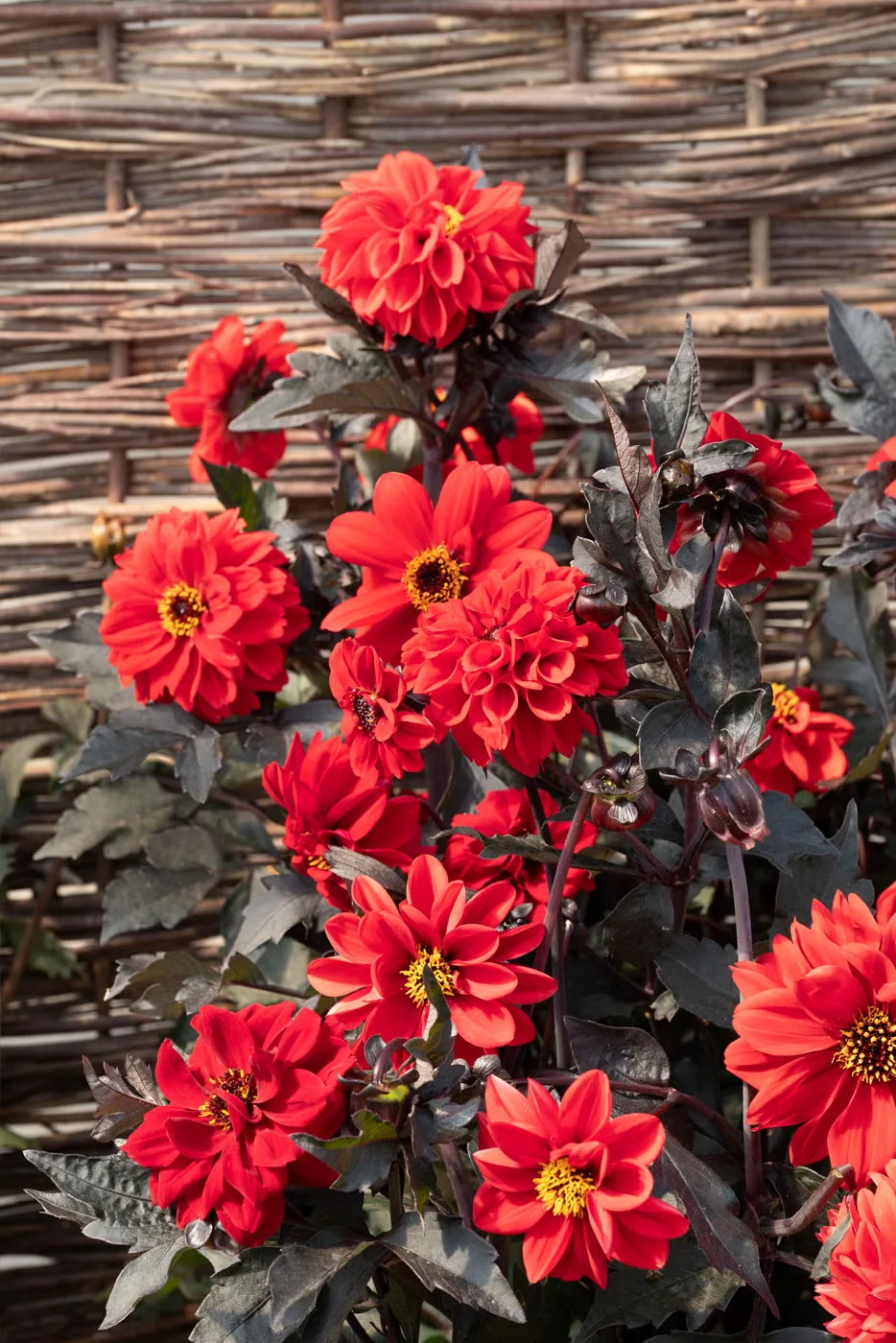
1. Dahlia Black Forest Ruby
Most of us are used to growing dahlias from tubers, but some — like the new Black Forest Ruby — actually grow from seed. Those dark leaves create such a gorgeous backdrop for the scarlet-to-maroon blooms, which come in both single and semi-double forms. Black Forest Ruby earned its AAS award thanks to its rock-solid growth habit and disease resistance. It even scored a Gold Medal from Fleuroselect, which is basically the European version of AAS!
Out in the trial gardens, the judges really loved how this two-foot-tall dahlia stays upright and bushy all on its own — no staking needed — while 'Bishop's Children' just flopped open. It shrugged off heat, drought, and disease like a champ, and honestly, those qualities plus its compact size make it a no-brainer for container growing. The mix of flower colors and shapes is just icing on the cake.
Tips for starting from seed
Start your Black Forest Ruby dahlia seeds indoors about four to six weeks before your last frost date. Once all danger of frost is gone, move them outside to a nice sunny spot. You should see your first flowers about 85 days after sowing — and they'll keep going well into fall, especially if you pick them for bouquets or snip off the faded ones to keep the show going.
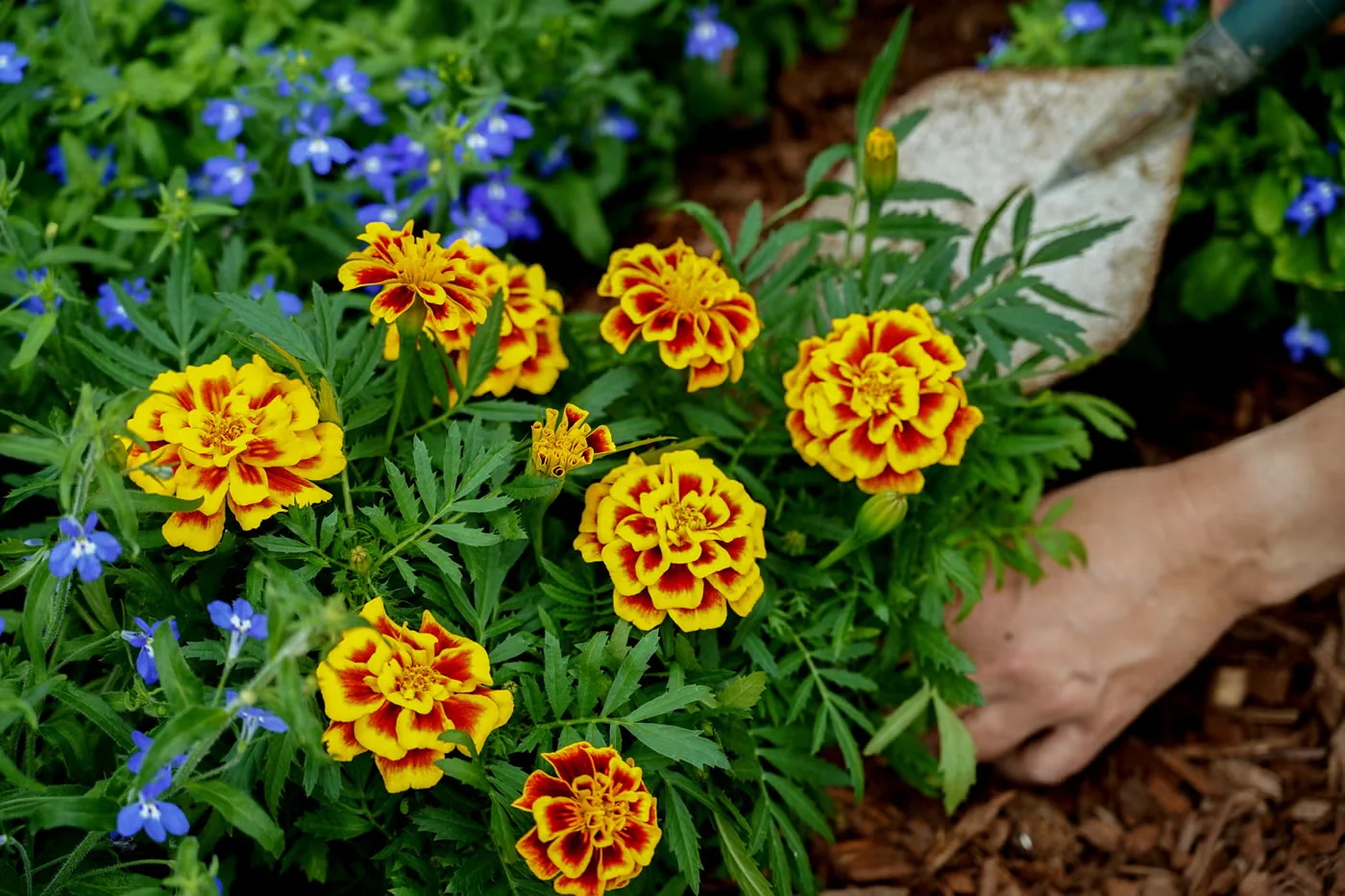
2. Marigold Mango Tango
I know, I know — seed catalogs are already packed with marigold varieties, and you might be wondering if we really need another one. But Mango Tango is a French marigold that earned both a Fleuroselect award and a National AAS nod, and honestly, with those vivid colors and its neat little compact habit, it absolutely deserves a spot.
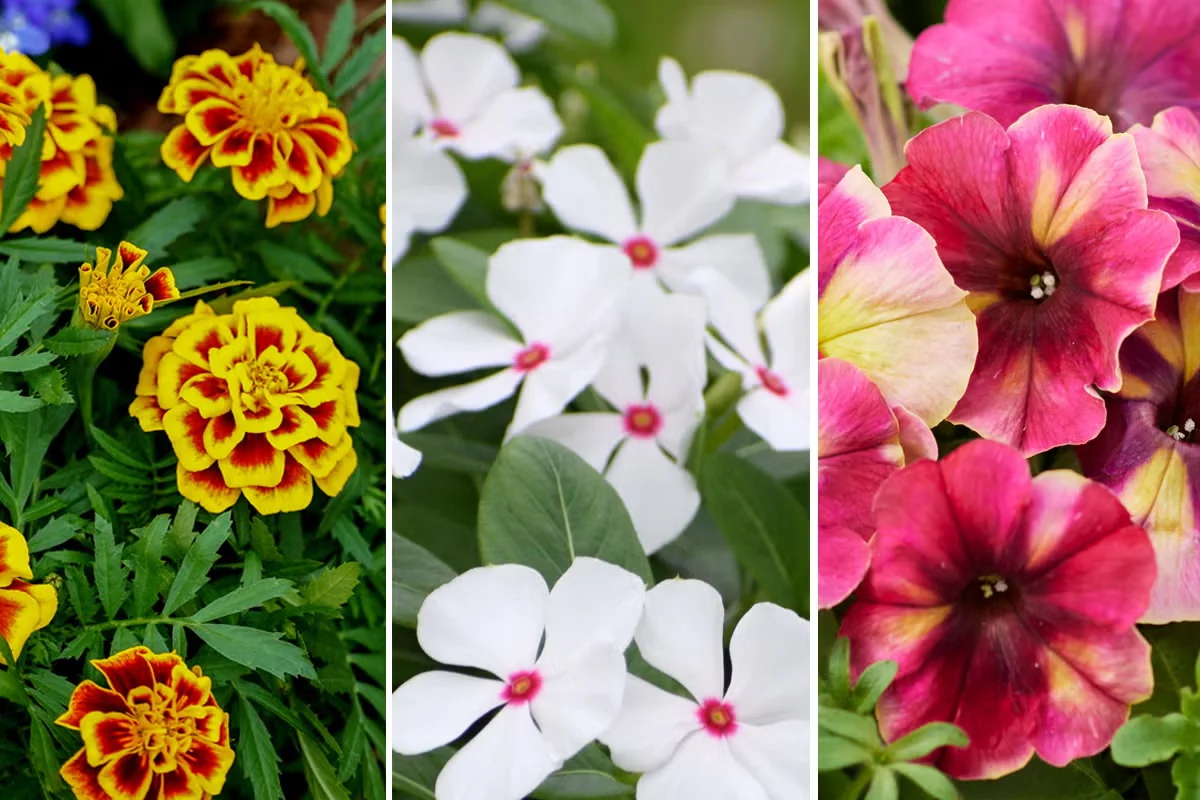
The judges couldn't stop talking about how rich and saturated those yellow-and-red bicolor blooms are. The plant grows in this nice mounded shape — about 8 to 10 inches tall and wide — that really shows off the flowers beautifully. And here's the thing: Mango Tango handles heat and cold equally well, so you get blooms all summer long and right into fall.
Marigolds are a breeze to grow from seed — just start them indoors about four weeks before your last frost, or sow them outside once you're sure there's no frost left. Mango Tango's short size makes it a natural for pots, though it works great as garden bed edging too. Give it full to part sun, water moderately, and feed with liquid fertilizer every couple of weeks — that's all it asks.
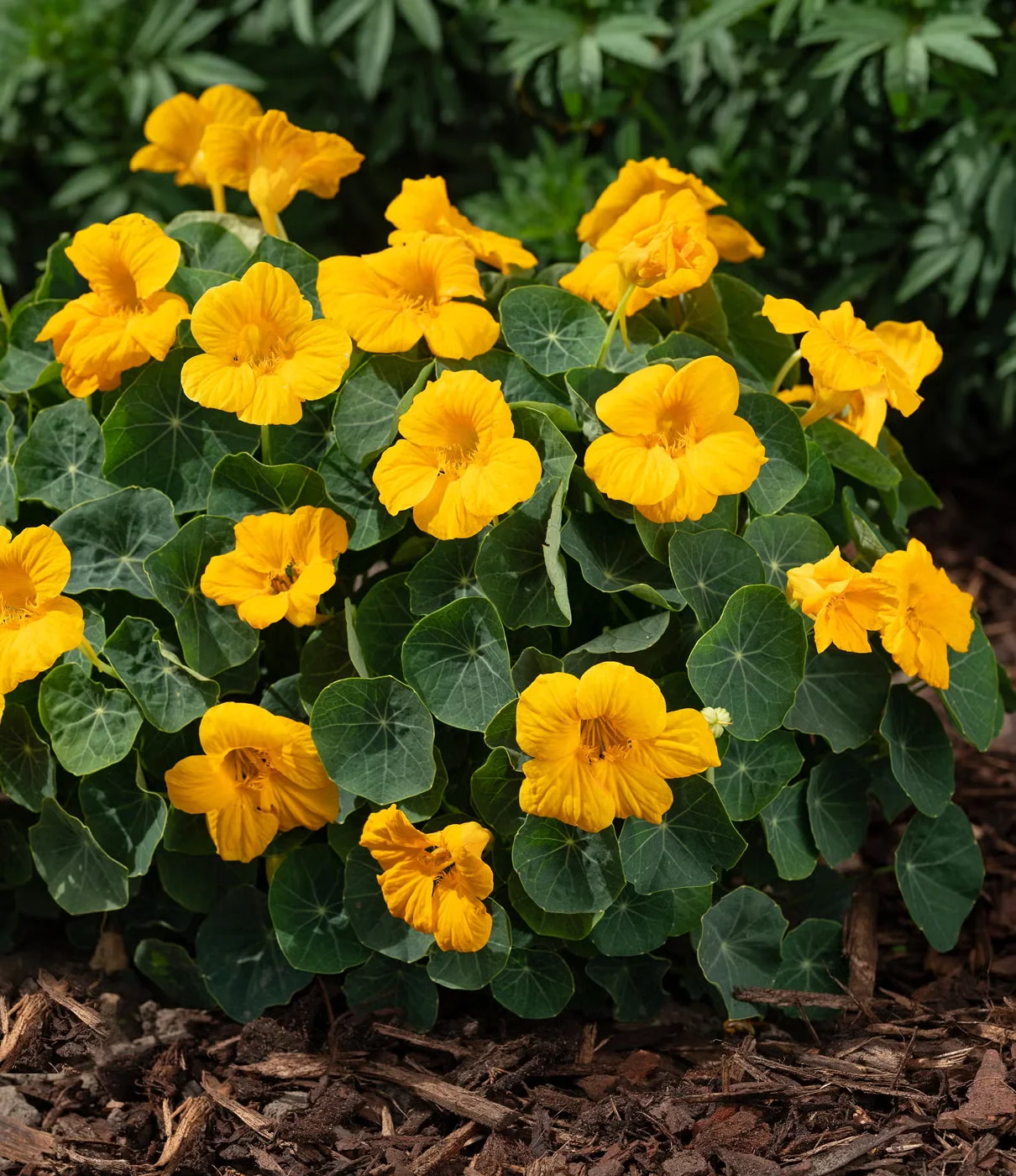
3. Nasturtium Baby Gold, Red and Yellow
Nasturtiums charm us with those quirky round leaves and funnel-shaped flowers, but let's be real — they can also be a letdown when they get leggy and refuse to bloom. The Baby series nasturtiums sidestep those problems entirely, and the AAS judges were seriously impressed by how floriferous and tidy they are.
All three colors scored big points for their bold, solid hues and deep green leaves. They grow into these neat, uniform mounds about 12 inches tall and wide — absolutely perfect for hanging baskets and containers. What the judges really loved, though, is how the flowers stand upright and proud above the foliage instead of hiding underneath. And they handle heat like pros, too.
Tips for growing nasturtium from seed
The best way to grow nasturtiums is to just sow the seeds right where you want them, right after the last frost. Pro tip: soak the seeds in water overnight before planting and they'll sprout much better. They like full to part sun and don't need much water. Here's the funny thing — skip the rich soil and don't even bother fertilizing. Nasturtiums actually grow and bloom their best in poor, lean soil.
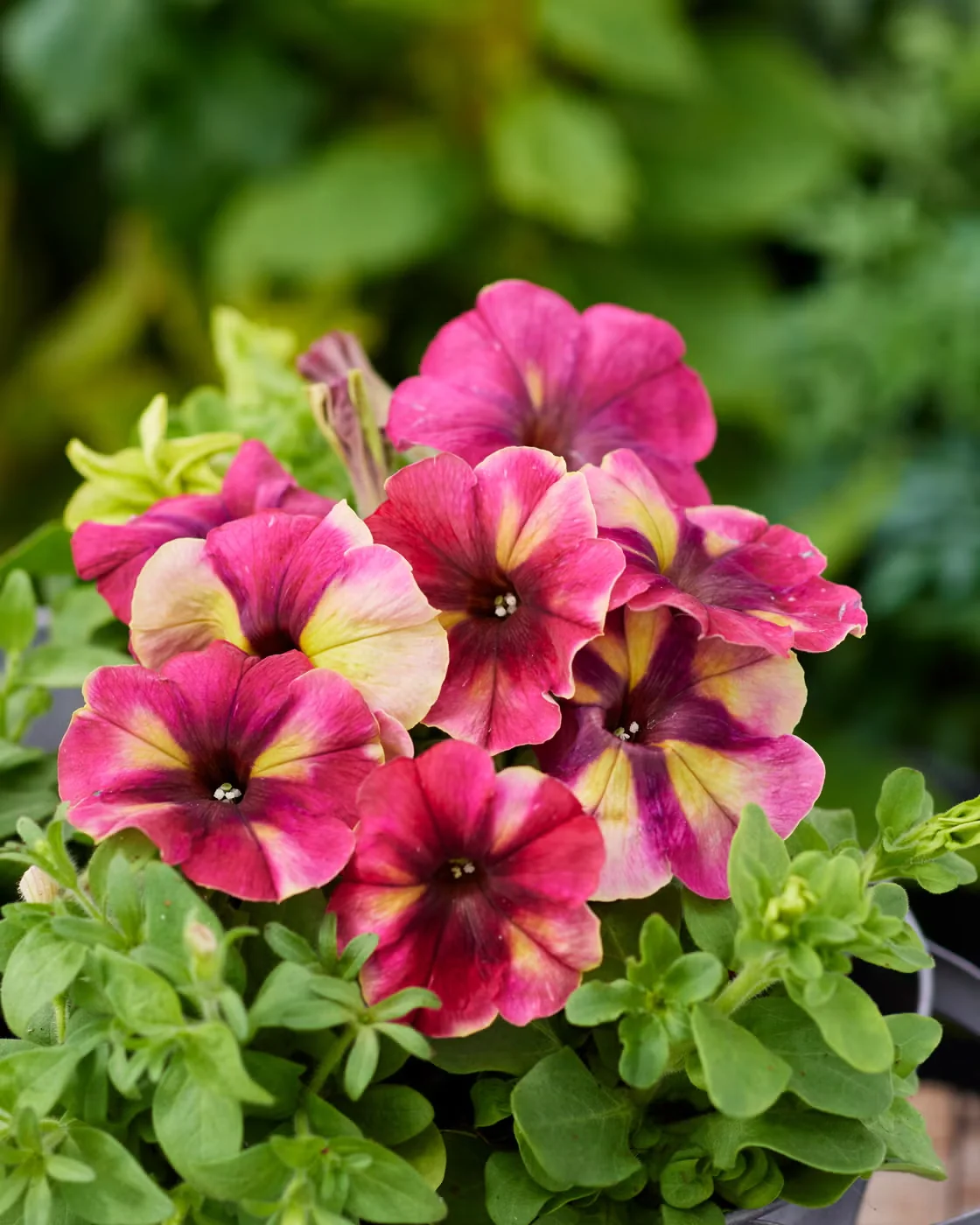
4. Petunia Shake Raspberry
Big petunias demand their own large patch of soil or a whole planter to themselves, but the smaller ones? They play nicely with others in mixed containers. Shake Raspberry is one of those petite petunias that combines beautifully with other annuals, and those bicolor blooms open up all kinds of creative planting possibilities.
The judges called the eight-inch Shake Raspberry "super compact" and "contained" — and they were obsessed with the unique flower colors. Each bloom is a different mix of pink and yellow, ranging from almost solid to full-on tie-dye. This little petunia also earned praise for handling the heat without breaking a sweat.
Shake Raspberry does best in full to part sun with moderate watering. Pop in some slow-release fertilizer when you plant it, and then give your potted petunias a water-soluble feed once a month. They trialed this variety in both containers and garden beds, and it did great in both — but that tiny size really makes it shine in pots.
5. Vinca Sphere Polkadot
So here's a fun bit of plant-name confusion: this one's a cultivar of Catharanthus roseus, an annual that shares the common name "vinca" with Vinca minor — that vining perennial that likes to take over everything. And to make it even more confusing, Catharanthus is sometimes called Madagascar periwinkle, but in some places the true vinca goes by periwinkle too! Plant names, right?
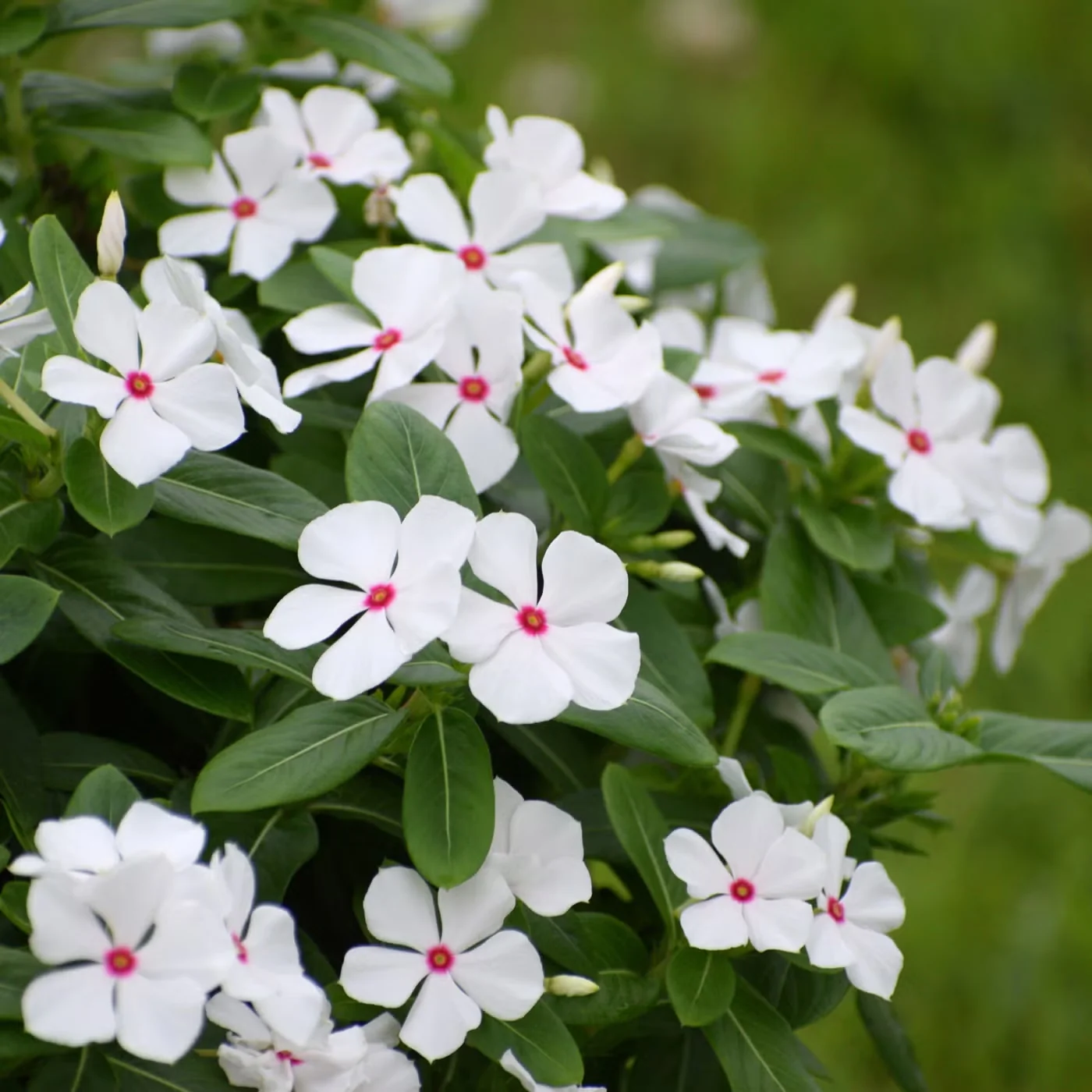
But don't worry — AAS winner Sphere Polkadot is not going to take over your garden. It forms a neat little foot-tall mound and just blooms its heart out all summer long, with crisp white petals around a bright magenta eye. So charming.
What really blew the judges away was how Sphere Polkadot powers through brutal summer weather — heat, drought, even those gully-washing downpours. One judge said its smaller flowers (compared to other vincas) are what help it hold up in storms, and called it the "vinca of the future" as our weather gets wilder and wilder.
The judges also pointed out that Sphere Polkadot is a really eco-friendly pick for an annual since it doesn't need much water — which is especially handy in containers. If you'd rather plant it in the ground instead of pots, you can group several together for a groundcover or edging that won't spread out of control. Either way, give it full sun.
All images courtesy of All-America Selections, all-americaselections.org